Hebrews 10
KAKAƗYARI NIUKIEYA XAPAYARI WIXARIKAKƗ · Tap a verse to see its cross-references.
Kɨritsitu kemɨtitayeitɨa tita 'axamɨti'ane, mawari mayuyeitɨakɨ
1Mɨkɨ 'inɨari niukiyaritsie kanimatsiɨkɨni tita 'aixɨa ti'anetɨ 'umɨramie, peru 'etɨriyari hepaɨ katinimatsiɨkɨni xeikɨa, yemekɨ hepaɨna pɨka'ane ke'aixɨa mɨ'anekɨ. Mɨkɨ mawari yuheyemekɨ mukuxatɨariwa xeiwiyari 'anuyeyeikakaku, mɨkɨ hatsuaku pɨkayɨwe mɨwaraye'atɨanikɨ mɨkɨ 'ahurawa memakɨka. 2Mexɨka waraye'atɨanike, ¿mekatehayewakeyu memɨtemawatɨwekai? Wa'iyari puwarutate'anikeyu tita 'axamemɨte'uyuri hepaɨtsita, xɨka xeimieme me'u'itiyanike mɨkɨ mɨya memɨte'ayexeiya. 3Matsi mɨkɨ mawarikɨ xexuime wiyaritsie mepaye'eritɨariwa 'axamemɨte'uyurikɨ. 4Tuurutsixi meta tsipuri waxuriya pɨkayɨwe tewi tita 'axamɨtiuyuri menuyeitɨirienikɨ.
5'Ayumieme kepauka kwiepa munuanikekai mɨpaɨ kaniutayɨni:
«Mawari pepɨkanaki'erie kepemɨtixatɨarie,
matsi, pepɨnetsi'ukuha'aritɨiri newaiyari.
6Mawari taiyariyarikɨ pepɨkanaki'a,
meta mawari menuyeitɨanikɨ tita tewi 'axamɨtiuyuri, mɨkɨ pɨkamatsinake.
7'Ana mɨpaɨ neputayɨ: “Kamɨtsɨ ne
―kemɨre'uxa xapa mɨkwikwiyatsie nehepaɨtsita―.
Nekaninuani yanemɨtiyurienenikɨ kemɨmatinake 'ekɨ Kakaɨyari”».
8Merikɨtsɨ matɨari mɨpaɨ paine: «Mawari meta 'imikieri pepɨkanaki'erie kepemɨtixatɨarie, mawari taiyariyari, meta mawari tita tewi 'axamɨtiuyuri mɨranuyeitɨani, mawari mɨxatɨarie kemaine 'inɨari, mɨkɨkɨ pepɨkanaki'a». 9'Ana kwitɨta mɨpaɨ kaniutayɨni: «Kamɨtsɨ ne nekaninuani yanemɨtiyurienenikɨ kemɨmatinake». Kanitayeitɨani matɨari mieme, mitatseiriyakɨ hutarieka mieme. 10Mɨpaɨ mɨtinakekɨ, 'ayumieme tepupatsie tame, mawari mayeitɨariekɨ xeimieme Ketsutsi Kɨritsitu yuwaiyaritsie 'uyeikatɨ.
11Yunaitɨ mawari wewiwamete tukarikɨ mana mekaniuti'uka mete'uximayatɨ, mawari yaxeikɨa 'aneme me'ixatɨatɨ, mɨkɨ mawari hatsuaku mɨkayɨwe mɨtatsi'anuyeitɨirienikɨ tita 'axatemɨte'uyuri. 12Peru Kɨritsitu, mawari 'uwewieka xeimieme mɨta'anuyeitɨirienikɨ tita 'axatemɨte'uyuri, mawarieya yuheyemekɨ 'aixɨa miyurikɨ, 'ayumieme mɨkɨ Kakaɨyari tserieta kanayerɨni. 13Hikɨ xeikɨari pɨta'ikwewa mexi me'a'iwariexime mɨkɨ memeye'unie, mexi me'ahapawa hɨxiena. 14Xeimieme mawari mayeitɨariekɨ, yuheyemekɨ pɨwaraye'atɨa mɨkɨ memɨkupatsiwa yuxexuitɨ.
15'Iyari Mɨtiyupata pɨtatsihekɨatɨa yaxeikɨa 'utaitɨ. Mɨpaɨ kanaineni:
16«Tɨratu mɨpaɨ 'aneme nekaniwatawewiriemɨkɨ,
mɨkɨ tukari 'aye'ayu 'arike ―mɨpaɨ paineta Ti'aitame―:
Ne'inɨari niukiyari wa'iyaritsie nepɨwapitɨani,
meta wa'eriwametsie nepita'utɨani».
17Mɨpaɨtatsiere paine:
«'Axakememɨte'uyuri, 'Inɨari kememɨte'utitsanaxɨa, mɨkɨ nepɨkara'eriwaniri».
18Merikɨte mɨkɨ hepaɨtsita xɨka reuyehɨwiyarieni, tawari mawari pɨkaxatɨarieni, menuyeitɨanikɨ tita 'axamɨtiuyuri.
'Ahurawa teke'akɨkani
19'Ayumieme nepaine ne'iwama, Ketsutsi xuriyaya mutaxɨriyakɨ, heitserie tepexeiya tekamamatɨ temeutahakenikɨ Waɨkawa Muyepatsieta. 20Huye hikɨke mɨmieme mɨkɨkɨ temayenenierenikɨ, mɨkɨ tekanexeiyani, mɨkɨ mutahuyetaxɨkɨ tahetsiemieme, kemu'itɨarie yuwaiyaritsie, tahuye patɨa, temeutahakenikɨ tame hakewa mɨreunamekai mɨkɨ 'ixurikikɨ. 21Mɨkɨ meta, tekaneixeiyani mawari wewiwame mɨtɨrɨkaɨye Kakaɨyari kiiya mɨhɨritɨarie. 22Merikɨtsɨ mɨpaɨ mɨ'anekɨ 'ahurawa teke'akɨkani, ta'iyari yemekɨ yuxewikaku, yemekɨ yuri tete'erietɨ, ta'iyari 'itiyakaku 'axatekateyurietɨ kapa ta'iyari tatsi'utatienikɨ tita 'axatemɨte'uyuri hepaɨtsita, tawaiyari meta hauxinariekaku haa 'aixɨa mɨ'anekɨ. 23Yateketekahuni, mɨpaɨ tetetahekɨatatɨ ketemɨte'ikwewie tekatehayewatɨ, mɨpaɨ tetemaitɨ, kemɨ'ane mɨpaɨ mɨtatiutahɨawixɨ tita mɨtatimini, mɨkɨ yakatinikamieni kemaine. 24Tekehetata'eritɨwani tanaitɨ, temɨtawaɨriyanikɨ temɨtetakanaki'eriekakɨ 'aixɨa temɨteyuriekakɨ. 25Tepɨkatehayewani tepɨtakuxexeɨriwani, hipame wahepaɨ tepɨkatehayewani, tepɨtatuikani matsi, kexemɨte'imate mɨkɨ tukari maye'aximekɨ.
26Ta'iyari ya'anekaku xɨka tetawaɨriyani 'axatemɨteyuriekakɨ teheitimaime tita yuri mɨraine, mawari pɨkaxuawe tawari menuyeitɨanikɨ tita 'axatemɨte'uyuri. 27Xɨkari mɨpaɨ 'aneni temamatɨ tepɨta'ikwewa temɨta'iwawiyarienikɨ xeikɨa, yuhaxɨakɨ kepauka mɨwataxɨtsitɨani mɨkɨ memeye'unie, yumexɨitɨatɨ taikɨ. 28Xɨka 'itixani'erieni 'inɨari niukiyari Muitsexi mi'atɨa, mekanitakwikwiwakaitɨni mekanenimayatsietɨ, yuhutatɨ yatɨni yuhaikatɨ mɨpaɨ metetahekɨatayu. 29¿Kexeteku'eriwa, matsi yemekɨ hetsiena katinake mu'uximatɨarienikɨ, kemɨ'ane Kakaɨyari nu'aya mɨnanaima, kemɨ'ane tsewiximariekame mɨ'erie mɨkɨ xuriyaya tɨratu mutatseiriyarie kɨmana, mɨpatsie kɨmana, kemɨ'ane mitawe'erie 'Iyari 'aixɨa mɨtatipitɨa? 30Tame tepimate kemɨ'ane mɨpaɨ mutayɨ: «Nekɨmana nepɨnemieneni, 'anepɨrapika ne», tawari mɨpaɨ putayɨ: «Ti'aitame yuteɨterima pɨwa'uximatɨani». 31Pɨmariweni kepauka Kakaɨyari mayeniere miwiyani.
32Xekena'eriwani matsi meripai kemɨtiuyɨ, 'ana kwitɨ xe'uhekɨariyarieka, kwinimieme xepɨte'ukakukuinekai peru xepɨtenewiekai. 33Tsepa yunaime wahɨxie xemɨtewinɨariekai 'axaxetekɨhɨawarɨwatɨ xe'uximatɨarietɨ, tsepata hipame xemɨwaparewiekai kepauka mɨpaɨ memu'itɨarie, xeme xepɨtenewiekai. 34Memanutaxɨriyakai kememɨte'ukwinitɨarie, xemeta wahepaɨ xepɨteyumaikai. Xeyutemamawietɨ xepɨwanewiekai kepauka memɨxete'unawairi xepiinite, mɨpaɨ xetemaitɨ, yupiinite matsi 'aixɨa mɨti'anene 'emɨtiteriwe xemɨtehexeiyakɨ xeme muyuawitsie.
35'Ayumieme nepaine, xepɨkaheiwiwiwani tita xemɨtehexeiya, heitserie xepexeiya xekamamatɨ xemɨyɨakakɨ, mɨkɨkɨ waɨkawa xepɨte'iwa. 36Kaneuyeweka xemɨte'ukanenewiekakɨ, xeheixeiyatɨ xemakɨnekɨ kexemɨte'utahɨawarie kename mɨpaɨ tixepitɨani, yaxeteyurieyu kemɨtinake Kakaɨyari. 37'Etsiwa yareutewikaku 'akuxi,
«kemɨ'ane 'umamie kaninuamɨkɨ, 'epɨkareutere.
38Mɨkɨ heitserie mexeiya nehetsɨa miemetɨtɨ mɨkɨ kanayenierekamɨkɨ yuri mɨti'eriekɨ.
Xɨka waɨripieka,
ne'iyaritsie nepɨkanaki'aka kenemɨtixeiya».
39Peru tame mɨpaɨ tepɨka'anene, tepɨkawaɨripietɨka, tepɨkatatɨmaiyarieni, matsi yuri tepɨte'erie tatukari temɨkatatɨmaiyakɨ.
Did you know?
A Sacrifice Offered Once for All
- The law is called only a shadow of the good things to come. Sacrifices repeated year after year, and the blood of bulls and goats, are said to remind worshipers of sins rather than take those sins away; by contrast, the sacrifice of the body of Jesus Christ is presented as sanctifying people once for all.Sources: the Bible text itself
- Every priest is pictured standing day after day to offer the same sacrifices, which can never take away sins. After one sacrifice for sins, this Priest is said to have sat down at the right hand of God, and the chapter speaks of a new and living way into the Most Holy Place through the curtain of his body.Sources: the Bible text itself
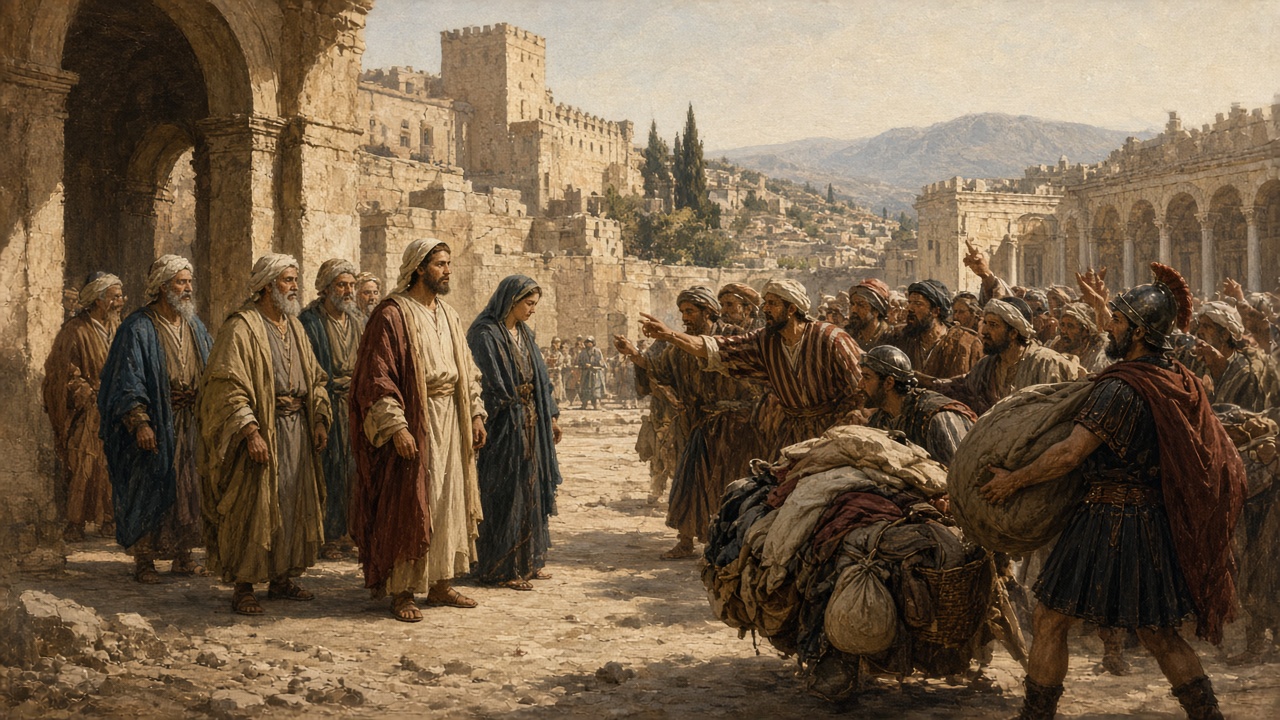
- Rejecting the law of Moses, the chapter says, brought death without mercy on the testimony of two or three witnesses. It then recalls an earlier time when the readers endured public ridicule and persecution, stood with those so treated, sympathized with people in prison, and joyfully accepted the confiscation of their property.Sources: the Bible text itself
Notes written with AI assistance from open sources (Theographic Bible Metadata, CC BY-SA 4.0; Easton’s Bible Dictionary, public domain) and reviewed before publishing.
Places in this chapter
Only places identified with high confidence are shown (90% or more according to the scholarly sources compiled by OpenBible). Period map: DARE (Digital Atlas of the Roman Empire), CC BY 4.0; modern map: © OpenStreetMap contributors; places: OpenBible.info (CC BY 4.0).
Credits and license for this translation
KAKAƗYARI NIUKIEYA XAPAYARI WIXARIKAKƗ
The Holy Bible in the in Huichol language of Mexico, 2020 edition
La Santa Biblia en lengua huichol de México, edición 2020
copyright © 2020 Wycliffe Bible Translators, Inc.
Language: Huichol
Translation by: Wycliffe Bible Translators, Inc.
Huichol [hch], Mexico
Copyright Information
© 1988-2020, Wycliffe Bible Translators, Inc.
This translation text is made available to you under the
terms of the Creative Commons License: Attribution-Noncommercial-No Derivative Works.
( http://creativecommons.org/licenses/by-nc-nd/3.0/ )
In addition, you have permission to port the text to different file formats, as long as you
do not change any of the text or punctuation of the Bible.
You may share, copy, distribute, transmit, and extract portions
or quotations from this work, provided that you include the above copyright
information:
You must give Attribution to the work.
You do not sell this work for a profit.
You do not make any derivative works that change any of the actual words or punctuation of the Scriptures.
Permissions beyond the scope of this license may be
available if you contact
us with your request.
The Holy Bible
in Huichol
© 1988-2020, Wycliffe Bible Translators, Inc.
This translation is made available to you under the terms of the
Creative Commons Attribution-Noncommercial-No Derivatives license 4.0.
You may share and redistribute this Bible translation or extracts from it in any format, provided that:
You include the above copyright and source information.
You do not sell this work for a profit.
You do not change any of the words or punctuation of the Scriptures.
Pictures included with Scriptures and other documents on this site are licensed just for use with those Scriptures and documents.
For other uses, please contact the respective copyright owners.
2025-09-03
Source: http://ebible.org/hch/ · eBible.org