Galatians 5
KAKAƗYARI NIUKIEYA XAPAYARI WIXARIKAKƗ · Tap a verse to see its cross-references.
Kɨritsitu kemɨtatiuxɨnaxɨ
1Kɨritsitu kataniuxɨna, texɨxɨnitɨ temu'uwanikɨ. 'Ayumieme xekeneti'uka, tawariri kɨye xepɨka'anuyetekiyarieka, waɨriyarika xemɨte'aitɨariekakɨ.
2Yemekɨ xekeneneu'eni, ne Papuru mɨpaɨ nepɨtixetahɨawe, xɨka xitekiya 'inɨariyari xe'uyuwewirieni, Kɨritsitu tixaɨtɨkɨ pɨkatixeparewieni. 3Tawarita nepɨwahekɨatɨa yunaime teɨteri memɨyu'aita xitekiya 'inɨariyari memɨwewiyarienikɨ, kaneuyeweka yamemɨtekahunikɨ naime kemɨti'aita 'inɨari niukiyari. 4Xeme mɨxenake heitserie xemɨpitɨarienikɨ 'inɨari niukiyaritsie xetewiyatɨ, xekaniupatsieni, Kɨritsitu hetsie xepɨkatewiya. Kakaɨyari 'aixɨa kemɨtiuka'iyari xekaneuyehɨani. 5Tame pɨta teta'ikwewatɨ mɨpaɨ yuri teteni'erieka, tepaye'axɨani heitserie temɨpitɨarienikɨ xɨka yuri tete'erieka, 'Iyari tatsiparewiekaku. 6Kɨritsitu Ketsutsi hetsie xɨka tiwiyani, yatɨni xitekiya 'inɨariyari tsepa mexeiya, matsi pɨta kaneuyeweka yuri mɨti'erieka xeikɨa, tiyukanaki'erietɨ muyeikanikɨ.
7Xeme 'aixɨa xepɨte'unanautsakai. ¿Kepaikɨ pɨxe'utiketamɨraxɨ, kemɨ'ane pɨxe'ukunuitɨa yaxemɨkatekahunikɨ tita yuri mɨrainetsie? 8Mɨpaɨ yuri kexemɨte'uta'eritɨarie, mɨkɨ kemɨ'ane mɨxe'inietsie pɨkamieme.
9«Tikuxanariyame 'etsipemekɨ kaniutakuxanariyarieni paa naitɨ». 10Ne mɨpaɨ yuri nekatini'erieka Ti'aitame hetsie xehepaɨtsita, kename xekayupata, yaxeikɨa xemɨteyumaikakɨ meripaitɨ hepaɨ. Matsi kemɨ'ane mɨxexamurie, 'uximatɨarika ke'upitɨarieni, tsepa kemɨ'ane mɨhɨkɨ.
11Ne'iwama, xɨka mɨpaɨ kuxi netikuxatanike, kename heuyewetse xitekiya 'inɨariyari, ketitayari netitaweiyarieni 'akuxi. Xɨka Niuki Kɨritsitu kemɨtiumierie kuruxitsie kemanuyɨne nekuxatani, mɨkɨ 'ari teɨteri pɨkawarukununuitɨwani. 12Xɨka tiyɨwenike mɨkɨ memɨxe'uximatɨa mɨkɨ pɨta yukɨmana meyuxitekenike 'aixɨa pɨyɨnikeyu.
13Xeme ne'iwama, xekaniuta'inierieni xemɨyunɨ'akakɨ. Perutsɨ xeikɨa, kexemɨteyunɨ'a, xepɨka'ipitɨani yuwaiyari mitsutɨanikɨ xekuyuitɨwatɨ. Matsi xeteyukanaki'erietɨ xeketene'uximayaka yuxexuitɨ, yunaime wahetsiemieme. 14Kaneye'atɨamɨkɨ 'inɨari niukiyari naime, xɨka xeiniukiyaritsie yatikamieni. Mɨkɨ niuki mɨpaɨ panuyɨne: «'Ahepaɨ tewi kenenaki'erieka 'ekɨ kepemɨti'anaki'erie». 15Matsi xɨka xeyukɨmeni, xɨka xeyutikwaiximeni, yumarima 'aixɨa xeyutixɨtɨani.
Kemɨtiyurieneni yuwaiyaritsie tiwiyatɨ, kemɨtiutixuxuawereni 'Iyari 'ikuyuitɨwakaku
16'Ipaɨ nepɨtixekɨhɨawe, xekeneu'uwani 'Iyari xekuyuitɨwakaku. Mɨpaɨ xɨka xete'u'uwani, xepɨkaheye'atɨani tita xewaiyari mɨtihiwe'erie. 17Tawaiyari katiniyukahiwe'erieka mɨkɨ 'Iyari kemɨkatiyukahiwe'erie. Meta 'Iyari katiniyukahiwe'erieka tawaiyari kemɨkatiyukahiwe'erie. Mekanayuye'unieka, yaxemɨkateyurienikɨ kexemɨteyuwaɨriya. 18Perutsɨ xɨka 'Iyari xekuwitɨneni, xepɨkate'aitɨarieka 'inɨari niukiyari kemɨti'aita.
19Katinimatsiɨkɨni kemɨtiyurieneni yuwaiyaritsie tiwiyatɨ. Tewi 'ipaɨ katiniyurienemɨkɨ: kemɨ'ane mɨkayɨ'ɨya mɨkayɨkɨna kaniwakumaɨwamɨkɨ, kemɨkati'itiya katiniyurienemɨkɨ, kemɨtiyukahiwe'erie meta kanirukuyanemɨkɨ, 20tetexi kaniwarayexeiyakamɨkɨ, katiniyukewaiyamɨkɨ, katinayuye'uniekamɨkɨ, kaniyumienemɨkɨ, kani'ɨtetsakamɨkɨ, kaniyuhaxɨatɨakamɨkɨ, yuhetsiemieme xeikɨa kaniyɨanemɨkɨ, kaniyuxamuriekamɨkɨ, yuxexuime wahetsie katiniwiyakamɨkɨ, 21katinayu'iwakamɨkɨ, katiniyumemiwamɨkɨ, kanitawenemɨkɨ, kaniku'ixɨaranemɨkɨ, mɨpaɨ 'aneneme katiniyurienemɨkɨ. Mɨkɨ hepaɨtsita, kenemɨtixeku'imaiyakai, yaxeikɨa nekatinixeku'imaiyani, mɨkɨ mɨpaɨ memɨteyurie, wahetsie pɨkatinakeni Kakaɨyari tiwa'aitɨwame mɨhɨkɨtɨnikɨ.
22Matsita 'Iyari kemɨtixuaweriya, 'ipaɨ pɨta tewi katiniyurienemɨkɨ. Katiniyukanaki'eriekamɨkɨ, kaniyutemawiekamɨkɨ, yu'iyaritsie pɨka'uximatɨarieka, katiniuka'eniwamɨkɨ, 'aixɨa katiniuka'iyarikamɨkɨ, 'aixɨa kaniwayurienemɨkɨ hipame, yakatinikamiemɨkɨ kemaine, 23yu'iyaritsie tixaɨtɨ pɨkareuyehɨaka, kanitseɨyekamɨkɨ tiyu'aitɨatɨ. 'Inɨari pɨkaxuawe mixani'erie, xɨka mɨpaɨ tiyurieneni. 24Mɨkɨ Kɨritsitu Ketsutsi hetsɨa memɨmiemete, kuruxitsie mekanimieni yuwaiyari, mete'uhayewaka kememɨteyumaikai yuwaiyaritsie metewiyatɨ. 25Xɨka 'Iyari tukari tatsipitɨaka, 'Iyari tatsikuwitɨnekaku teke'u'uwani. 26Yakɨxeikɨa tetetamaitɨ tepɨkahakɨne, meta tetahaxɨatɨatɨ tetehata'iwakutɨ tepɨkahakɨne.
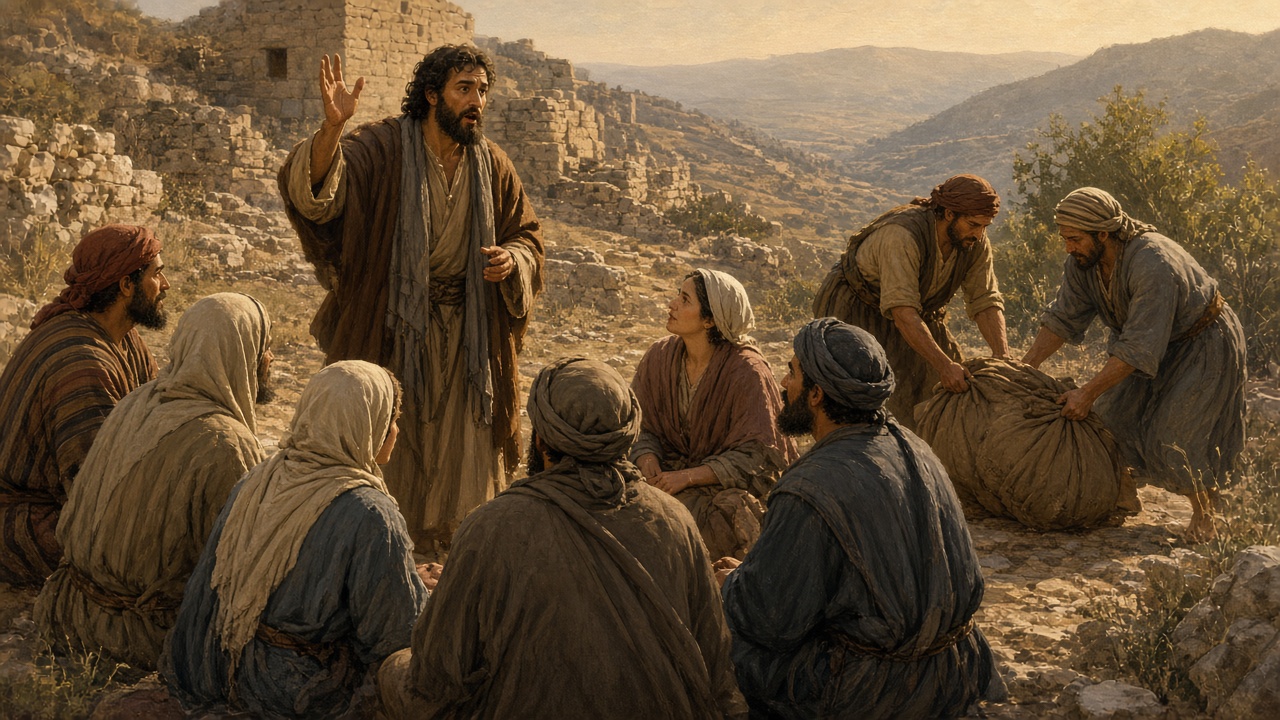
Did you know?
Freedom, the Law, and the Spirit
- The speaker identifies himself as Paul and warns that if those he addresses let themselves be circumcised, Christ will be of no value to them, and that every man who gets himself circumcised is obligated to obey the whole law. A biographical account says that Paul's circumcision-name was Saul, and that the name Paul was probably given to him in infancy for use in the Gentile world, while Saul would be his Hebrew home-name.Sources: the Bible text itself · Paul
- Freedom is set against a yoke of slavery: the chapter says Christ has set them free and tells them to stand firm and not be burdened again by that yoke. They were called to freedom, not as an opportunity for the flesh, but to serve one another in love, and the entire law is fulfilled in the single decree to love one's neighbor as oneself.Sources: the Bible text itself
- Walking by the Spirit is contrasted with gratifying the desires of the flesh, which are opposed to each other. If people are led by the Spirit, they are not under the law; the chapter lists the acts of the flesh and the fruit of the Spirit, and says that against such things there is no law.Sources: the Bible text itself
Notes written with AI assistance from open sources (Theographic Bible Metadata, CC BY-SA 4.0; Easton’s Bible Dictionary, public domain) and reviewed before publishing.
Credits and license for this translation
KAKAƗYARI NIUKIEYA XAPAYARI WIXARIKAKƗ
The Holy Bible in the in Huichol language of Mexico, 2020 edition
La Santa Biblia en lengua huichol de México, edición 2020
copyright © 2020 Wycliffe Bible Translators, Inc.
Language: Huichol
Translation by: Wycliffe Bible Translators, Inc.
Huichol [hch], Mexico
Copyright Information
© 1988-2020, Wycliffe Bible Translators, Inc.
This translation text is made available to you under the
terms of the Creative Commons License: Attribution-Noncommercial-No Derivative Works.
( http://creativecommons.org/licenses/by-nc-nd/3.0/ )
In addition, you have permission to port the text to different file formats, as long as you
do not change any of the text or punctuation of the Bible.
You may share, copy, distribute, transmit, and extract portions
or quotations from this work, provided that you include the above copyright
information:
You must give Attribution to the work.
You do not sell this work for a profit.
You do not make any derivative works that change any of the actual words or punctuation of the Scriptures.
Permissions beyond the scope of this license may be
available if you contact
us with your request.
The Holy Bible
in Huichol
© 1988-2020, Wycliffe Bible Translators, Inc.
This translation is made available to you under the terms of the
Creative Commons Attribution-Noncommercial-No Derivatives license 4.0.
You may share and redistribute this Bible translation or extracts from it in any format, provided that:
You include the above copyright and source information.
You do not sell this work for a profit.
You do not change any of the words or punctuation of the Scriptures.
Pictures included with Scriptures and other documents on this site are licensed just for use with those Scriptures and documents.
For other uses, please contact the respective copyright owners.
2025-09-03
Source: http://ebible.org/hch/ · eBible.org