Ezekiel 38
KAKAƗYARI NIUKIEYA XAPAYARI WIXARIKAKƗ · Tap a verse to see its cross-references.
Niuki Kuki hetsiemieme
1Yawé mɨpaɨ kanetiniutaxatɨani: 2«Tewi pemunu'aya, Kuki mɨpaɨ ketineutahɨawi Makuki kiekame, Metseki meta Tuwari wahetsie mɨti'aita. Ketineutahekɨata hetsiena mieme, 3mɨpaɨ ketiniwaraye'eritɨa Yawé naimekɨmɨyɨwe mɨpaɨ kanaineni: “Kuki, ne nepɨmatsi'aye'unie, Metseki meta Tuwari pemɨti'aita. 4Pemayeyanikɨ nepɨmatsi'ayewitɨni, tepɨa 'atenitsie nekaniuyekemɨkɨ, yanekatiniyurimɨkɨ yunaime 'akuyaxima pemɨwarayewitɨnikɨ, kawayutsixi, meta memanatei. Yunaitɨ mɨkɨ kuyaxi wahepaɨ meteheukukemaritɨ, mɨkɨ memuyumɨire, yuhetsie nunuwame me'u'ɨtɨ meta 'ixipara 'ari me'u'ɨtɨ. 5Peritsiya, 'Etihupiya meta Puhuti mekaniwanɨkakuni, yunaitɨ mɨkɨ yuhetsie nunuwame me'u'ɨtɨ meta yumu'utsie nunuwame mete'upitɨ kuyaxa timieme. 6Kumexi kiekatari mekaniwanɨkakuni, yunaitɨ kuyaximama, meta Weti-Tukaxima, mɨkɨ peteewa tayeta wakie, yunaitɨ kuyaximama meta hipatɨ kuyaxi memɨmatsinɨ'ɨ.
7»”Keneuyukuha'aritɨa, kenayeniereni 'ekɨ meta yunaitɨ 'a'aurie memahane, mɨkɨ yunaime keniwakuyuitɨwani. 8Karikɨ mɨixa tukari 'anukayayu pekanitanɨ'ariemɨkɨ pemuyutamienikɨ. Mɨixa wiyari 'anukayayu xeime kwieyari pekanitamiemɨkɨ 'ari manukuke, nuiwari mɨixa wiyari mu'unikai, peru 'ari memu'axɨa hipame nuiwarite watsata me'u'uwatɨ, 'Ixaheri hɨriyaritsie mekaniu'axɨani. Mekaniukuxeɨriyani hipame nuiwarite watsata me'u'uwatɨ, hikɨri 'aixɨa 'iyari mekaniu'uwani. 9Peru 'ekɨ pekaniwatakwimɨkɨ wiyeri mɨtɨrɨkaɨye hepaɨ. 'Ekɨ pekatiniyurimɨkɨ meta 'akuyaxima meta kemɨ'ane 'ahetsie memɨtewiya, hai mɨyɨwi hepaɨ pepɨyɨni kwie pepanukanani.
10»”Yawé naimekɨmɨyɨwe mɨpaɨ kanaineni: 'Uxa'atɨni warie yɨkɨ pepɨti'erieni meta pewaraye'unietɨ 'axa'anemekɨ. 11Meta mɨpaɨ pekanitayɨmɨkɨ: ‘Xeime kwieyaritsie nekanitahamɨkɨ yuhetsie mɨkaheutanuawetsie, xeime nuiwari nekanitamiemɨkɨ kayuwatɨ memu'uwa kiekarite mɨkayukurarutɨiya, 'ituparite mɨkaheuwɨ meta mɨkaheuku'uwetɨka. 12Naime piinite nekatiniwanawairiemɨkɨ, kiekarite mu'u'unikai 'aixɨa muti'itɨarie nekanitamiemɨkɨ, mɨkɨ teɨteri hipame nuiwarite watsata me'u'uwatɨ memuyukuxeɨri, mɨkɨ teɨteri kwiniemieme mekateneuxeiyani, tewaxi meta piinite, mɨkɨ mexɨakate mekaniyu'erieka’. 13Tsawa meta Rerani kiekatari, metatsiere Taritsi tetuayamete meta yunaitɨ memɨtɨrɨkawi, mɨpaɨ mepɨmateta'iwawiya: ‘¿Kepetikuyuriene? ¿Petatikunawatsiriene? ¿'Ayumieme 'akuyaxima petiwarukuxeɨri? ¿Pɨrata meta huru petatsinawairienike petinua, meta tatewama tapiinite? ¿Pemɨyemiekɨ waɨkawa perapitɨ tapiinite?’ ”
14»'Ayumieme, tewi pemunu'aya, ketineutaxata Kuki hetsiemieme, mɨpaɨ ketinaye'eritɨa Yawé naimekɨmɨyɨwe mɨpaɨ kanaineni: “'Iya tukaritsie, ¿kamɨtsɨ pekatimaika neteɨterima 'Ixaheri kayuwatɨ memu'uwa? 15'Ateewa tayeta pekanakanemɨkɨ, hakewa paitɨ pemekiekame, hipameta teɨteri pewarawitɨtɨ meyumɨireme. Yunaitɨ mɨkɨ kawayutsixi wahetsie meputeni, mepuyumɨireni, kuyaxi memɨtɨrɨkawi mepɨhɨkɨtɨni. 16'Imatɨrieka tukaritsie, neteɨterima 'ixaheritsixi pepɨwatakwini, haiwitɨri mɨyɨyɨwi hepaɨ naime kwieyari pepanukanani. Ne yanepɨtiyurieni 'ekɨ Kuki, nekwieyari pemɨtamienikɨ, nuiwarite memɨtama memɨnetsihetimanikɨ, 'ahetsie yanetiyurieyu, kenemɨtipatsie yamepɨtehetimani yunaitɨ.
17»”Yawé naimekɨmɨyɨwe mɨpaɨ kanaineni: 'Ekɨ nepɨmatsixatakai meripaitɨ nete'uximayatsiriwamete wahetsie mɨpaɨ nemutayɨ, Kakaɨyari niukametemama 'Ixaheri kwieyaritsie. Mɨkɨ tukaritsie paitɨ, mɨixa wiyari, mɨkɨ mɨpaɨ mekatenihekɨatani kename ne nematsita'inienikekai 'ixaheritsixi pemɨwatakwinikɨ. 18Peru kepauka Kuki 'Ixaheri mɨtamieni, ne nekaniyeha'amɨkɨ. Yawé naimekɨmɨyɨwe mɨpaɨ kanaineni. 19Waɨkawamekɨ neha'atɨ, mɨpaɨ nekanaineni 'ana kwie kanitayuamɨkɨ 'Ixaheri kwieyaritsie. 20Mekanenitimakakuni ketsɨte haramaratsie memuye'uwa, memɨte'awɨwawe, yeuta memɨte'u'uwa, kuterixi yuhukama memɨteku'uwa, meta yunaitɨ teɨteri kwiepa memu'uwa. Hɨri kanatikainixɨamɨkɨ, 'ai wamuneniere kananuka'unixɨamɨkɨ, meta naitɨ kuraru kanika'unixɨamɨkɨ. 21Naitsarie hɨritsie nekaniwata'inimɨkɨ memitamienikɨ Kuki, kuyaxi yukɨmana mekaniyutakwikuni —Yawé mɨpaɨ kanaineni—. 22Ne kwiniya Kuki nekanipitɨamɨkɨ meta xuriya, mɨkɨ hetsie meta kuyaximama, metatsiere yunaitɨ kemɨ'ane meminɨ'ɨ nuiwarite, tɨrɨkaɨyetɨ kanikawiyemɨkɨ, tee kanikaxɨriemɨkɨ, tai meta 'atsupɨre mɨtatɨka. 23Mɨpaɨ netiyurieme nepɨnehekɨata kenemɨtimariwe kenemɨtipatsie, hipame yumɨireme nuiwarite wahɨxie mɨpaɨ nekatiniyuhekɨatamɨkɨ. Hikɨ 'ana mɨpaɨ mekatenetimaikuni kename ne, Yawé nehɨkɨ”.
Did you know?
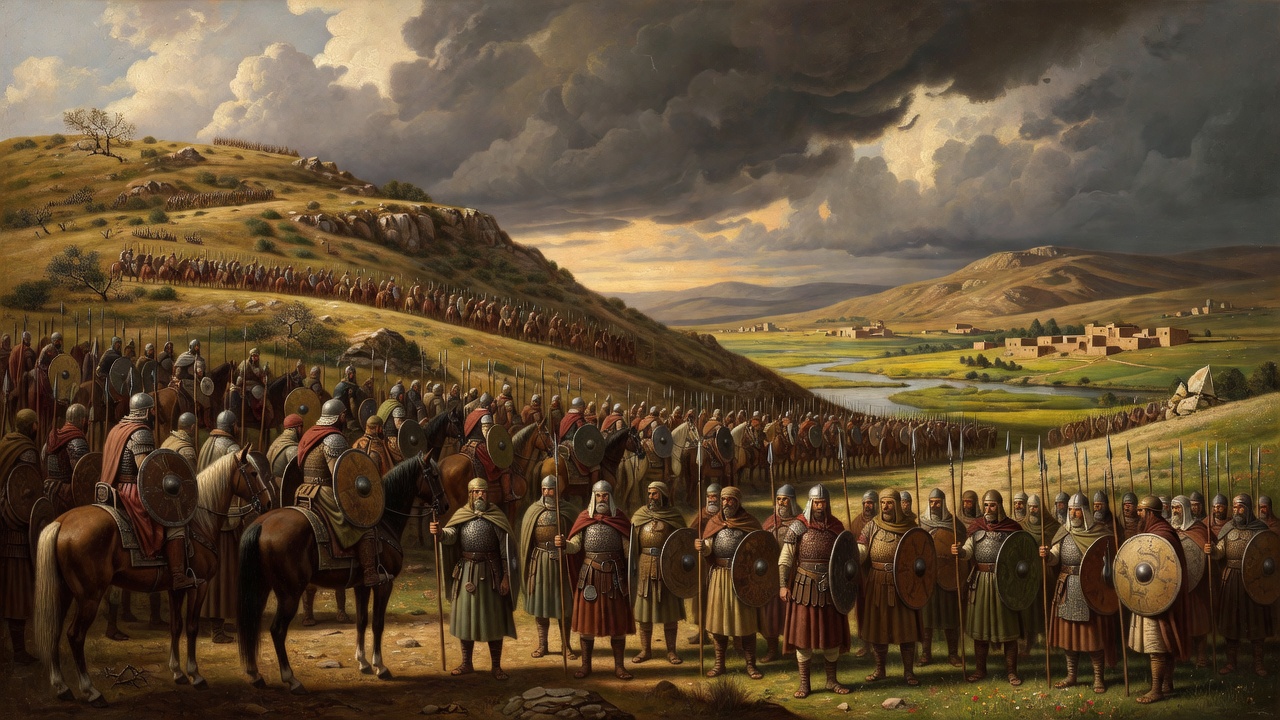
Gog and the Coalition Against Israel
- Many of the nations named in this prophecy—including Magog, Meshech, Tubal, and Gomer—trace back to the descendants of Japheth in Genesis 10. Later writers, such as the Latin church father Jerome, identified Magog with fierce Scythian tribes inhabiting the regions north of the Caucasus and Caspian Sea.Sources: Magog · Meshech · Gomer (son of Japheth) · the Bible text itself
- The coalition gathered under Gog includes peoples from opposite extremes of the ancient world. Alongside the northern tribes are Persia to the east and Cush to the far south, representing the regions bordering southern Egypt.Sources: Persia · Cush · the Bible text itself
Notes written with AI assistance from open sources (Theographic Bible Metadata, CC BY-SA 4.0; Easton’s Bible Dictionary, public domain) and reviewed before publishing.
Places in this chapter
- Meshech · Today: about 200 km around Gordion · 39.655, 31.994 · verses 2, 3
- Tubal · Today: Tabal · 37.296, 36.254 · verses 2, 3
- Cush · Today: Cush 1 · 16.935, 33.751 · verse 5
- Persia · 34.806, 48.516 · verse 5
- Gomer · Today: Asia Minor · 39.000, 32.000 · verse 6
- Sheba · 15.348, 44.206 · verse 13
Only places identified with high confidence are shown (90% or more according to the scholarly sources compiled by OpenBible). Period map: DARE (Digital Atlas of the Roman Empire), CC BY 4.0; modern map: © OpenStreetMap contributors; places: OpenBible.info (CC BY 4.0).
Credits and license for this translation
KAKAƗYARI NIUKIEYA XAPAYARI WIXARIKAKƗ
The Holy Bible in the in Huichol language of Mexico, 2020 edition
La Santa Biblia en lengua huichol de México, edición 2020
copyright © 2020 Wycliffe Bible Translators, Inc.
Language: Huichol
Translation by: Wycliffe Bible Translators, Inc.
Huichol [hch], Mexico
Copyright Information
© 1988-2020, Wycliffe Bible Translators, Inc.
This translation text is made available to you under the
terms of the Creative Commons License: Attribution-Noncommercial-No Derivative Works.
( http://creativecommons.org/licenses/by-nc-nd/3.0/ )
In addition, you have permission to port the text to different file formats, as long as you
do not change any of the text or punctuation of the Bible.
You may share, copy, distribute, transmit, and extract portions
or quotations from this work, provided that you include the above copyright
information:
You must give Attribution to the work.
You do not sell this work for a profit.
You do not make any derivative works that change any of the actual words or punctuation of the Scriptures.
Permissions beyond the scope of this license may be
available if you contact
us with your request.
The Holy Bible
in Huichol
© 1988-2020, Wycliffe Bible Translators, Inc.
This translation is made available to you under the terms of the
Creative Commons Attribution-Noncommercial-No Derivatives license 4.0.
You may share and redistribute this Bible translation or extracts from it in any format, provided that:
You include the above copyright and source information.
You do not sell this work for a profit.
You do not change any of the words or punctuation of the Scriptures.
Pictures included with Scriptures and other documents on this site are licensed just for use with those Scriptures and documents.
For other uses, please contact the respective copyright owners.
2025-09-03
Source: http://ebible.org/hch/ · eBible.org