Ezekiel 17
KAKAƗYARI NIUKIEYA XAPAYARI WIXARIKAKƗ · Tap a verse to see its cross-references.
Kaxie nanari meta kwixɨ
1Yawé yuniukitsie mɨpaɨ kanetiniutaxatɨani: 2«Tewi pemunu'aya: 'Ikɨ niuki keniwarutaxatɨa 'ixaheritsixi teɨteriyari, keniwarutaxatɨa 'ikɨ 'ɨxatsi niukiyari. 3Mɨpaɨ ketiniwaraye'eritɨa kename ne Yawé nehaine:
»Riwanu kaninuani Kwixɨ 'anetɨ,
'a'anateyeyeutɨ, waɨkawa heuhuxatɨ, witsiheu'anetɨ.
Kariuxa yekɨrita kaniuyeyerɨni,
4kanekatutseni yɨrariyari 'amutewitsie.
Xeime kwieyaritsie kaneitɨni tetuayamete wahetsɨa,
kiekari mɨratuiyatsie kanikayeni.
5Hikɨ mɨkɨ kwieyaritsie 'imɨari kaniyetɨkɨ,
kanika'eni kwie 'aixɨa mɨraku'anetsie.
Kanika'eni hapuri kɨyeyari kemɨrayu'etsa,
waɨkawa haa 'uhanekaku 'aurie.
6'Imɨari kaniutineni,
kaxie nanari 'apatɨ kanayani, yakɨ hawetɨ,
kwixɨ hetsie paitɨ kaneuti'ani mamateya,
yunanakɨ waɨkawa katiniukawiya.
Mɨpaɨ katinayani kaxie nanari,
waɨkawa yɨratɨ.
7Peru xewitɨ 'apuyeikakaita kwixɨ 'anetɨ,
'a'anateyeyeutɨ, waɨkawa heuhuxatɨ.
Tawarita kaxie yunanarikɨ katiniukawiya,
manapaita xawari kaniukanetɨani,
haa waɨkawa mɨharekakɨ
kemɨkatiharekai.
8Mana puka'etsiekai kwie 'aixɨa mɨ'anetsie
waɨkawa haa 'uhanekaku 'auriena,
mɨyɨranikɨ meta 'ikwaxi muxuawitɨakakɨ,
kaxie nanari witsi'anetɨ mayanikɨ.
9»Mɨpaɨ ketiniwaraye'eritɨa: Yawé mɨpaɨ kanaineni:
»Mɨkɨ kaxie pɨkakaxuawere.
Kwixɨ nanarimakame pahuna.
'Ikwaxi pɨka'inɨni,
kaxie nanayari pɨtayɨnare.
Huu, yɨrariyari pɨtiwani.
Pɨkaheuyeweka mamá tɨrɨkaɨyetɨ meta teɨteri meyumɨiretɨ
memehunakɨ naime.
10Tsepa xaɨtsie mukayerie pɨkatawere.
'Eka tau manatineika mayeneika
pitawatsiɨxa xɨka 'i'axe.
Yurikɨ kanitawamɨkɨ
hakewa mekayerie».
11Yawé yuniukitsie mɨpaɨ kanetiniutaxatɨani: 12«Keniwaruta'iwawiya 'ikɨ teɨteri memɨ'iyaritsetse'i kehepaɨtɨtɨ 'ikɨ naitɨ manuyɨne. Mɨpaɨ ketiniwaraye'eritɨa, ti'aitame Wawiruniya kiekame Kerutsareme punua, yukwieyaritsiepai Kura kwieyaritsie ti'aitame pehanie meta 'iparewiwamete. 13Hikɨ xeime panayexei memanuyetei waniwe, waɨriyarika wapitɨatɨ yapɨtiwarutahɨawixɨ tɨratutsie yamemɨtekakɨnekɨ meyuhɨritɨatɨ. Ti'aitame mɨpaɨ katiniwarewitɨni memanuyetei yukwieyaritsie paitɨ. 14Mɨya pɨwaruyuri waɨkawa Kura kwieyaritsie kiekatari mekatɨrɨkaɨyeme mɨwarayeitɨanikɨ. Mɨpaɨ pɨtiwarutahɨawixɨ mariweme memɨka'ayuyeitɨwanikɨ, waɨriyarika pɨwapitɨakai memeye'atɨanikɨ tɨratu. 15Hikɨ mɨkɨ ti'aitame Wawiruniya kiekame 'aye'unietɨ patɨa, pɨwarenɨ'a texaxatamete 'Ekipitutsie memiparewienikɨ, kawayutsixi wahekɨ meta kuyaxi yuwaɨkawamekɨ. ¿Kemɨ'ane mɨyamɨtiuyuri tiyuta'una 'aku? ¿Tiyɨwe tɨratu kahaye'atɨame mutawikweni? 16Hawaikɨtsitɨ, matsi kanimieriemɨkɨ Wawiruniya, ti'aitame kemɨ'ane mitahɨawixɨ kwieyatsie, kemɨ'ane tɨratu hamatɨa muwewi hetsɨa, tɨratu miwewitsitɨa mɨkaheye'atɨiri hetsɨa. Ne Yawé naimekɨmɨyɨwe mɨpaɨ nekanaineni. 17Parahuni yukuyaxima yunaime wahamatɨa memiparewieni pɨkayɨwe, tsepa tetsariya 'imɨmɨiyari memutawewi meta tsepa tuxiyu memutiwewi waɨkawa teɨteri memɨwakwinikɨ. 18Kura kwieyaritsie ti'aitame nu'aya, tɨratu pɨkahaye'atɨa. Hikɨ mɨyamɨtiuyurikɨ naime yɨhɨritɨaka pɨkayuta'una.
19»'Ayumieme, Yawé naimekɨmɨyɨwe mɨpaɨ kanaineni: “Yurikɨ mɨpaɨ nekanaineni nekɨmana nepi'uximatɨani kemɨtiyɨhɨritɨakai netɨratutsie yamɨkatiuyurikɨ. 20Newiniyari hɨxiena nepuwɨtɨani, mana kaniwierimɨkɨ. Wawiruniya nekanenuhanimɨkɨ, mana kanitaxanetsiemɨkɨ yamɨkatikatɨakɨ. 21Kuyaximama 'aixɨa memɨ'anene mepɨkwi'iwa 'ixiparakɨ, kemɨ'aneta memuyuhayewa naitsarie nuiwaritetsie nepɨwataxɨriexɨani. 'Ana mɨpaɨ mepɨtehetimani kename ne, Yawé mɨpaɨ nehaine.
22»”Yawé naimekɨmɨyɨwe mɨpaɨ kanaineni:
»”Kariuxa kɨtsita yɨrariyari ne nekaniwatimuramɨkɨ,
kemɨ'ane 'amutewinitsie nekanewatimuramɨkɨ,
nekanikayemɨkɨ xeime hɨri 'a'utewimetsie.
23'Ixaheri hɨriyaritsie nekanika'iteɨtamɨkɨ,
'amanutitewatsie,
mana mɨtayɨrakɨ meta 'ikwaxi mɨkaxuawitɨanikɨ,
kariuxa witsi'anetɨ mayanikɨ.
Yunaitɨ wikixi hetsiena mekaniyuti'ituatɨakuni,
'etɨriyayatɨa xeikɨa mekaniu'uwakuni.
24Yunaitɨ kɨyexi yeuta mieme
mɨpaɨ mepɨtehetimani kename ne Yawé nehɨkɨ.
Kemɨ'ane kɨye mɨmariweni nepewiteke,
kemɨ'ane 'etsimutewini nepitaweriya,
Kemɨ'ane kɨye mɨyɨra nepitawatsiɨxa,
kemɨ'aneta mɨwaki, mɨtaxutunikɨ yanepɨtiyurie.
Ne, Yawé, mɨpaɨ neputayɨ,
nepeye'atɨani”».
Did you know?
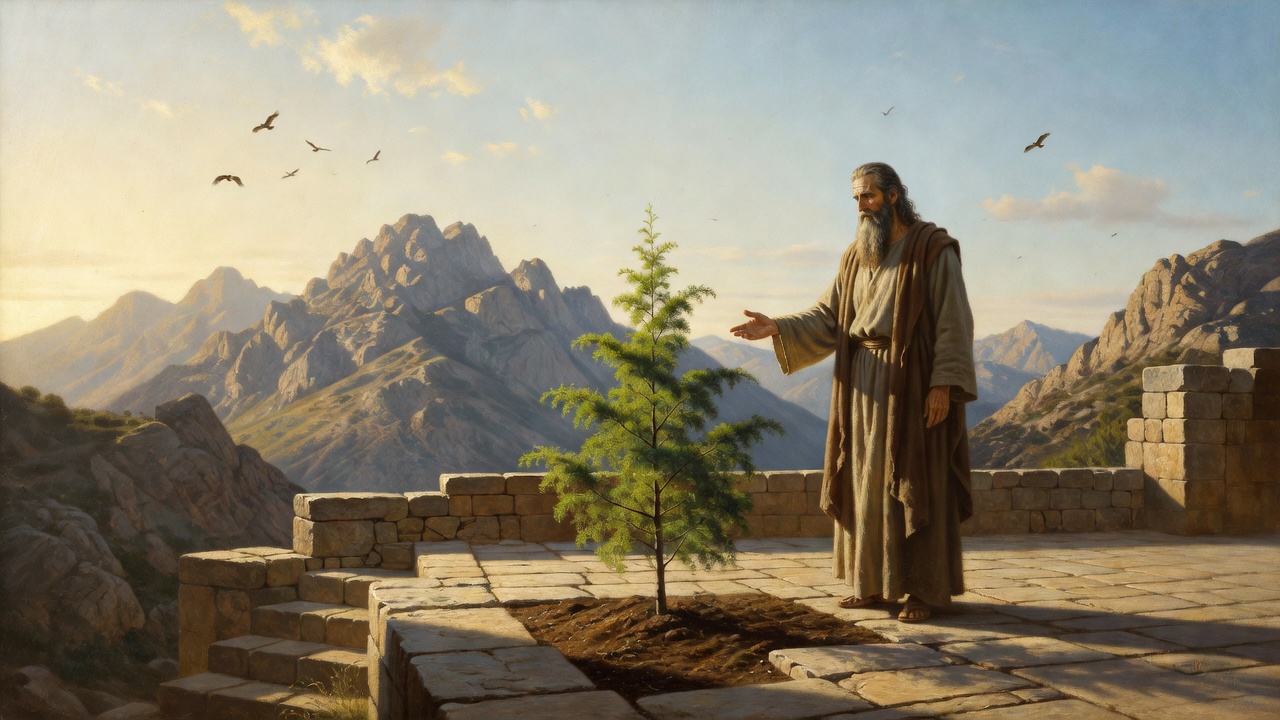
The Parable of the Eagles and the Cedar
- Ezekiel presents a political allegory where the first great eagle represents the king of Babylon, who captured Jerusalem's royal leadership and established a vassal king under a solemn covenant. The second eagle represents Egypt and its Pharaoh, to whom the Judean ruler turned for cavalry and military assistance in defiance of his sworn allegiance.Sources: the Bible text itself · Babylon · Egypt · Pharaoh
- In the prophetic message, breaking a political vassal oath made under Babylon was treated not merely as diplomatic rebellion, but as spiritual treason against God, who regarded the sworn pledge as His own oath.Sources: the Bible text itself
- The chapter concludes with a reversal of human political schemes: God Himself promises to take a tender shoot from the top of the cedar and plant it upon the mountain heights of Israel, where it will grow into a majestic tree offering shelter to birds of every kind.Sources: the Bible text itself
Notes written with AI assistance from open sources (Theographic Bible Metadata, CC BY-SA 4.0; Easton’s Bible Dictionary, public domain) and reviewed before publishing.
Places in this chapter
- Lebanon · 33.540, 35.584 · verse 3
- Canaan · 32.767, 35.333 · verse 4
- Babylon · 32.543, 44.422 · verses 12, 14, 15, 16, 17, 20
- Jerusalem · 31.777, 35.234 · verses 12, 17
- Egypt · 30.129, 31.308 · verse 15
Only places identified with high confidence are shown (90% or more according to the scholarly sources compiled by OpenBible). Period map: DARE (Digital Atlas of the Roman Empire), CC BY 4.0; modern map: © OpenStreetMap contributors; places: OpenBible.info (CC BY 4.0).
Credits and license for this translation
KAKAƗYARI NIUKIEYA XAPAYARI WIXARIKAKƗ
The Holy Bible in the in Huichol language of Mexico, 2020 edition
La Santa Biblia en lengua huichol de México, edición 2020
copyright © 2020 Wycliffe Bible Translators, Inc.
Language: Huichol
Translation by: Wycliffe Bible Translators, Inc.
Huichol [hch], Mexico
Copyright Information
© 1988-2020, Wycliffe Bible Translators, Inc.
This translation text is made available to you under the
terms of the Creative Commons License: Attribution-Noncommercial-No Derivative Works.
( http://creativecommons.org/licenses/by-nc-nd/3.0/ )
In addition, you have permission to port the text to different file formats, as long as you
do not change any of the text or punctuation of the Bible.
You may share, copy, distribute, transmit, and extract portions
or quotations from this work, provided that you include the above copyright
information:
You must give Attribution to the work.
You do not sell this work for a profit.
You do not make any derivative works that change any of the actual words or punctuation of the Scriptures.
Permissions beyond the scope of this license may be
available if you contact
us with your request.
The Holy Bible
in Huichol
© 1988-2020, Wycliffe Bible Translators, Inc.
This translation is made available to you under the terms of the
Creative Commons Attribution-Noncommercial-No Derivatives license 4.0.
You may share and redistribute this Bible translation or extracts from it in any format, provided that:
You include the above copyright and source information.
You do not sell this work for a profit.
You do not change any of the words or punctuation of the Scriptures.
Pictures included with Scriptures and other documents on this site are licensed just for use with those Scriptures and documents.
For other uses, please contact the respective copyright owners.
2025-09-03
Source: http://ebible.org/hch/ · eBible.org