Ecclesiastes 6
KAKAƗYARI NIUKIEYA XAPAYARI WIXARIKAKƗ · Tap a verse to see its cross-references.
Ketitari rexeiya tatukari
1Xeimeta nekanixeiyani 'axati'aneme 'ikɨ tukaritsie teɨteri watsata: 2Kakaɨyari hipame kaniwapitɨaka waɨkawa memɨtehexeiyanikɨ meta 'aixɨa memɨtexeiyariekakɨ, meta tixaɨtɨ mepɨkateheuyehɨwa tita memɨteheiwe'erie, matsi hipameta pɨta pɨwapitɨa memɨtetikwanikɨ mɨkɨ naime. 'Ikɨta tixaɨtɨ pɨkatihɨkɨ 'axamɨti'ane.
3Tewi xɨka warexeiyani xeitsienituyari yuniwema, meta mɨixa wiyari 'uyeikatɨ, tsepa kepaɨmexɨa muyeikani xɨka kayukatemawiwani 'aixɨa mɨti'anekɨ, meta xewitɨ ka'ikateuku, matsi 'aixɨa kani'aneni nunutsi mɨtinuiwa mukitɨ keyuri mɨkɨ. 4Kamɨtsɨ mɨkɨ nunutsi tixaɨtɨ pɨkaratɨa, yɨriyatsata petɨa, yɨwipa puyuhayewa kemɨtitewakai. 5Hatsuaku tau pɨkaxeiya meta tixaɨtɨ pɨkaretimani, matsi mɨkɨ kayuwatɨ hexeiyatɨ kanayeimɨkɨ keyuri mɨkɨ tewi, 6tsepa huta miriyari wiyari 'amuyeikani, 'aixɨa mɨti'ane yakatiyurienetɨ. Matsi teyunaitɨ 'axeikɨa tekanekɨkani. 7Tewi waɨkawa katini'uximayaka mɨtikwakakɨ, matsi hatsuaku pɨkatahuxani kɨmana. 8¿Mɨtimaiwe waɨkawa matsi kerexeiya keyuri mɨkatimaiwe? ¿Ketitari ra'iwakeyu tixaɨtɨ mɨkarexeiya, yutukari hetsiemieme mɨyɨwenikɨ? 9Matsi tita mɨtiyuhekɨa 'aixɨa kani'aneni keyuri tikuwaunetɨ. Mɨkɨta tixaɨtɨ pɨkatihɨkɨ, 'eka muweiyani hepaɨ kani'aneni.
10Ketita hikɨ mɨtixuawe 'ari kaneixeiyakaitɨniri kemɨtitewa,
yakatinimatsiɨkɨni tita mɨtihɨkɨ: tewitɨtɨ.
Xewitɨ muyutamieni pɨkayɨwe
xeime waɨkawa mɨtɨrɨkaɨye hamatɨa.
11Niuki waɨkawa mekananutiyayatsani,
matsi tixaɨtɨ pɨkatihɨkɨ.
¿Peru tita tete'a'iwa kɨmana? 12'Atsitepɨkatemate, ketita matsi 'aixɨa mɨti'ane tahetsiemieme. Tixaɨtɨ pɨkatihɨkɨ yapaɨmexɨa xeikɨa mayeyurini 'etɨri hepaɨ xeikɨa yapauka makumawere. ¿Kemɨ'ane pɨyɨwe yamɨtitahɨawekɨ tukarieya hepaɨtsita, kemɨtiyɨni 'arike mɨyuke?
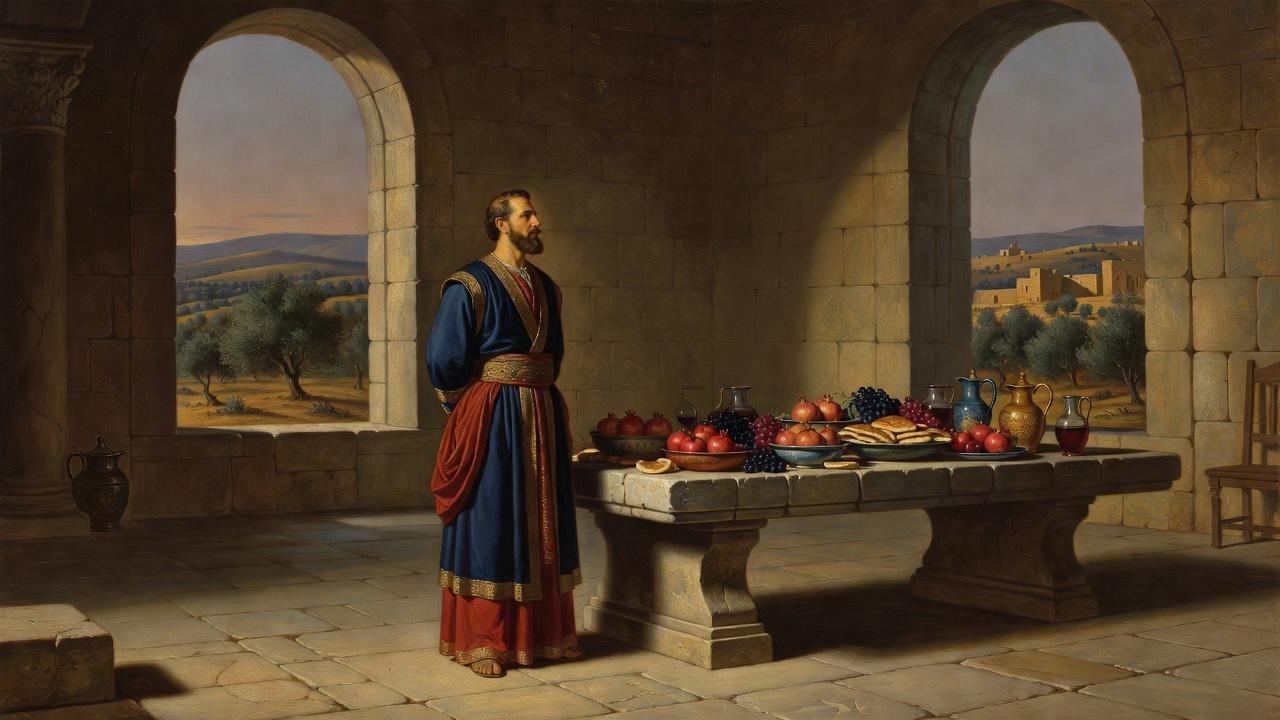
Did you know?
The Vanity of Unsatisfied Wealth
- In ancient thought, having a long life and fathering many children were considered the highest signs of blessing. Ecclesiastes observes, however, that even living two thousand years and fathering a hundred children is hollow if a person cannot enjoy their prosperity or receive a proper burial.Sources: the Bible text itself
- The author points out that although human labor is spent satisfying basic physical needs such as food, human appetite and desire remain continually unfulfilled. He contrasts enjoying what is directly present before the eyes with the ceaseless wandering of unsatisfied cravings.Sources: the Bible text itself
- The chapter emphasizes human limitations, noting that mortals cannot dispute with what has been established by one stronger than they are. Because life is fleeting like a shadow, humans cannot fully know what is truly good for them or foresee what will happen after they are gone.Sources: the Bible text itself
Notes written with AI assistance from open sources (Theographic Bible Metadata, CC BY-SA 4.0; Easton’s Bible Dictionary, public domain) and reviewed before publishing.
Credits and license for this translation
KAKAƗYARI NIUKIEYA XAPAYARI WIXARIKAKƗ
The Holy Bible in the in Huichol language of Mexico, 2020 edition
La Santa Biblia en lengua huichol de México, edición 2020
copyright © 2020 Wycliffe Bible Translators, Inc.
Language: Huichol
Translation by: Wycliffe Bible Translators, Inc.
Huichol [hch], Mexico
Copyright Information
© 1988-2020, Wycliffe Bible Translators, Inc.
This translation text is made available to you under the
terms of the Creative Commons License: Attribution-Noncommercial-No Derivative Works.
( http://creativecommons.org/licenses/by-nc-nd/3.0/ )
In addition, you have permission to port the text to different file formats, as long as you
do not change any of the text or punctuation of the Bible.
You may share, copy, distribute, transmit, and extract portions
or quotations from this work, provided that you include the above copyright
information:
You must give Attribution to the work.
You do not sell this work for a profit.
You do not make any derivative works that change any of the actual words or punctuation of the Scriptures.
Permissions beyond the scope of this license may be
available if you contact
us with your request.
The Holy Bible
in Huichol
© 1988-2020, Wycliffe Bible Translators, Inc.
This translation is made available to you under the terms of the
Creative Commons Attribution-Noncommercial-No Derivatives license 4.0.
You may share and redistribute this Bible translation or extracts from it in any format, provided that:
You include the above copyright and source information.
You do not sell this work for a profit.
You do not change any of the words or punctuation of the Scriptures.
Pictures included with Scriptures and other documents on this site are licensed just for use with those Scriptures and documents.
For other uses, please contact the respective copyright owners.
2025-09-03
Source: http://ebible.org/hch/ · eBible.org