Deuteronomy 32
KAKAƗYARI NIUKIEYA XAPAYARI WIXARIKAKƗ · Tap a verse to see its cross-references.
1«Muyuawi keneu'ena kenemɨtayɨni,
kwie keneu'ena netetamiemekɨ kenemɨtayɨni.
2Wiyeri hepaɨ ke'ukaxɨrieni ne'ɨkitɨarika 'aixɨa manuyɨne,
neniukikɨ ke'ukuhawire haɨtsi ximeri mieme hepaɨ,
'ɨxa mɨhehekwa waɨkawa kemɨtihatuiyarɨwa,
wiyeri waɨkawa kemɨtikaxɨrɨwe hepaɨ tupiriya mɨyɨyɨritsie.
3Yawé hetsiemieme nepɨtaniuni nepitahɨawe.
'Aixɨa xekeneutiyuaneni Kakaɨyari mɨmariwekɨ.
4Mɨkɨ tete kanikɨtɨni, 'uximayatsikaya pɨheitserie,
naitɨ huyeya 'aixɨa pɨ'anene.
Kakaɨyari yapɨtikamie, 'axapɨkatiyuriene.
Mɨkɨ heitserie pexeiya meta 'aixɨa pɨtiuka'iyari.
5Kemɨxetinake xepɨte'uyuri hetsiena mieme,
xemɨyutewiwiyanikɨ, xemeri xepɨkaniwemama,
nuiwari xemeutuni xepɨhɨkɨ 'axaxemɨte'u'iyari.
6»¿'Ikɨkɨ Yawé xete'akapitɨwa,
teɨteri xemɨka'u'iyari?
Mɨkɨ kani'apaapatɨni, kameniunetɨani,
mɨkɨ pɨmatsi'utawewi, mɨmatsi'ukaye kanihɨkɨtɨni.
7Meripaitɨ mieme tukari xekena'eriwani,
meripaitɨ kexemuyɨ xekena'eriwani.
'Apaapa keneuta'iwawiya yamɨmatitahɨawekɨ,
meta 'ukirawetsixi mekemate'utaxatɨani.
8Kepauka 'Amutewi nuiwarite wapiini mɨtiwayetuiri,
kepauka teɨteri kwiepa memɨtama mɨwareutanɨ'axɨa yuxexuime,
mɨkɨ teɨteri yukwie mehexeiyame pɨwarayeitɨa,
kememɨyupapaɨmekai yemekɨ 'Ixaheri niwemama.
9Xemetsɨ Yawé kanixe'anayexeiya teɨterimama xemɨhɨkɨtɨnikɨ,
Kakuwu hetsiena mieme kanihɨkɨtɨni.
10Xeme pɨxe'ukaxei kwie makumawetsie,
yuxaɨtame xepu'uwakai.
Pɨxe'utinenimayataxɨ pɨxe'uta'ɨwiyaxɨ,
pɨxe'ɨwikai yuhɨxite hepaɨ,
11kwixɨ kaikame hepaɨ kemɨtiwakweriwayurie yuniwema yu'ituatsie,
wakuxexeɨriwatɨ,
yu'anatekɨ waranukanatɨ,
yu'anatsie warayatsatɨ kemɨtikuyeika.
12»Yawé xeikɨa pɨxe'uwitɨximekai,
xewitɨ tawarita kakaɨyari yukɨ'anetɨ hamatɨana pɨka'umiekai.
13Hɨritsie pɨxe'uwitɨximekai
meta pɨxemikwakai 'ikwaxi yeuta mɨtixɨawekɨ.
Xiete pɨwamikwakai meta hatseiti,
tete mɨtse'itsie henetɨaka,
14wakaitsixi wakuneriyari kaniwaru'itɨani meta kapɨratsixi waretsi mepanu'i,
tsipuri meta muxatsi memɨwaiyatɨka,
tuurutsixi memɨwaiyatɨka wawaiyari Watsani miemete,
tɨriku takari mɨkɨkɨre,
kaxie winuyari mɨxure mepanu'i.
15»Ketsuruni putawaiyataxɨ meta pɨtiuyeketsi,
'ikwaikɨ xeikɨa putahuxai.
Putawaiyataxɨ putatɨrɨkaxɨa.
Kakaɨyari puku'eiri
tukari mipitɨa,
tete putixani'eri mitawikweitsitɨa,
16Pɨwaruyehekaxɨ kakaɨyarixi hipame memɨwarayexeiyakaikɨ,
mepiyehaxɨatɨa yukakaɨyarixi memɨxani'eriwa wahekɨ.
17Kakaɨyarixi 'axamemɨ'anene mepɨtewarutimawiri,
Kakaɨyari memɨkahɨkɨ,
kakaɨyarixi memɨkawamatekai,
kakaɨyarixi 'arikeke memune,
kakaɨyarixi wa'ukiyarima memɨkawarayexeiyakai.
18Tete mɨtse'i mepuku'eiri mɨwarutawewi.
Kakaɨyari mepatɨmai tukari mɨwarupitɨa.
19»Mɨpaɨ tinieretɨ, Yawé pɨwarexɨri
niwemama 'ukitsi 'ukari memiyehaxɨatɨakɨ.
20Hikɨ mɨpaɨ kaniutayɨni: “Nepɨwawarixiwiya,
tsipara kemeteheutere,
teɨteri 'axamemɨte'u'iyari mepɨhɨkɨ,
tɨɨri yamemɨkatekahu mepɨhɨkɨ.
21Mepɨnetsi'uyehaxɨatɨa kemɨ'ane yuri mɨkakakaɨyarikɨ,
nepuyeha'a hipame kakaɨyarixi memɨwarayexeiyakaikɨ.
Neta yaxeikɨa nepɨwayurieni nepɨwayehaxɨatɨani kemɨ'ane memɨkaneteɨterima wahekɨ,
nepɨwayehaxɨatɨani teɨteri 'axamemɨte'u'iyari wahekɨ.
22Nehaxɨa tai hepaɨ kaniutani,
naime mɨtititaiya mɨki teukiyapa.
Kwie pɨtaxɨtɨani meta naime mana mɨti'etsie,
meta hɨri nanari naime pɨtitaiya.
23»”Waɨkawa 'uximatɨarika nepɨtixuawitɨani wahetsie,
ne'ɨrɨ wahetsie nepɨtixɨtɨani.
24Haaka nepanunɨ'ani muwatixɨtɨanikɨ,
kwiniya waɨkawa nepɨnetɨani mɨɨyakame.
Yeutari 'ɨrawetsixi,
meta kuterixi 'uaye memexeiya yutawikɨ memɨteku'uwa kwiepa.
25'Ixiparakɨ mepɨkwi'iwa 'aniwema huye manuyehapanetsie,
yukie xekutetɨ xepɨmamaka.
Temari 'ɨimarixi mepɨkwini,
memɨtsitsewe meta'ukirawetsixi.
26Mɨpaɨ nepɨtiunehɨawixi: ‘Yunaime nepɨwataxɨriexɨani,
kwiepa nepɨwarakuyeitɨani memɨkaha'eriwanikɨ’.
27Peru neputima 'axakemɨtiyurimɨkɨkaikɨ mɨnetsi'aye'unie,
neputima neneɨkixiwi kaheti'enatɨyanikɨ
meta mɨpaɨ tiu'erienikɨ: ‘Tame tekatenayu'iwa,
Yawé tixaɨtɨ 'atsipɨkatiuyuri.’ ”
28»Xeme nuiwari 'ixaheritsixi 'atsixemɨkatemate xepɨhɨkɨ,
xepɨkaheitimaitɨkɨka.
29Xɨka xeme xemɨtemaiwawe xehɨkɨtɨnike hikɨ 'ipaɨ xeteyuhɨaweke,
xɨka mɨpaɨ xetehetimanike kexemɨ'itɨarienikɨ.
30Tewi pɨkayɨwe yuxaɨta xeimiriyari mɨwara'iwa
xɨka teteya ka'ituanike.
Yuhutatɨ tamamata miriyari memɨwataweiyakɨ mepɨkayɨwawe
xɨka Yawé kawayetuanike.
31Watete tatete hepaɨ pɨka'ane.
Memɨtatsi'aye'unie mɨpaɨ mepɨtemate.
32Wakaxie Tsuruma yɨrariyari kanihɨkɨtɨni,
Kumuxa kwieyaritsie mɨti'u.
Wakaxie takari 'uaye mɨmɨyakɨ pɨhɨpɨne,
takari 'amɨranukate, tsiwiriya pɨhɨkɨ.
33Wawinu kuuterixi 'uaye memexeiya hepaɨ pɨ'ane,
pɨtiyuhairiya kuu rakeyu mɨmɨya hepaɨ.
34»“Yakatinaye'amɨkɨ ne nekatinimaika yanekatiniyurimɨkɨ
'aixɨa nekatini'uta ne hakewa nemɨre'utatsie.
35Neta yaxeikɨa 'anemekɨ nepɨtiwarakapitɨani.
Kepauka tukari yamɨraye'ani, mepekaxɨrieni.
Tukari pehurari
mexɨiwa paye'axime kememɨtekwine”.
36»Yawé yuteɨterima wahetsie pɨtanuani
kepauka mɨwaxeiya mekatɨrɨkawime,
memɨte'i'uximayatsirie pɨwatinenimayata,
kepaukari waɨriyarika te'uximayatamete meta memɨxɨxɨni memumawenitsie.
37Mɨpaɨ pɨtiwatahɨawe: “¿Hakewatamɨ xekakaɨyarixi,
tete kɨmana xemuyuti'awietaxɨ?
38¿Hakewatamɨri xekakaɨyarixi
mawari yaxemɨtewawewiriekai waiyariyari xemutikwai
wawinu meta wahatseiti xemanu'i?
Mɨkɨ xehetsie meke'utanuani.
Mekexe'uparewieni.
39»”Hikɨ xekeneunenieri ne xeikɨa nepɨhɨkɨ
Kakaɨyari nemɨyuxewi,
xewitɨ tawarita 'apɨka'uyeika kakaɨyaritɨtɨ,
ne mɨɨya nepɨrapitɨani meta tukari nepɨrayetuirieni,
nepɨrakwinituani meta 'aixɨa nepɨrayurieni xewitɨ pɨkayɨwe mɨnetsitanewienikɨ netɨrɨkariyatsie.
40Nemamate nepanukuhapana muyuawitsie nepeititsera mɨpaɨ nepɨtayɨni:
Ne 'anemuyeika nemɨhɨkɨ yuheyemekɨ,
41kepauka ne'ixipara mɨxawatɨ nematamɨa
tukari 'aye'aku nepenukukwei,
nemɨtiwarakapitɨanikɨ memɨnetsi'aye'unie meta memɨnetsiheka wahepaɨtsita
kemɨtiheitserie.
42Ne'ɨrɨ pɨtitarɨweni xuriyakɨ,
ne'ixipara pɨtiwaɨripieni wai kwatɨ:
memɨte'ukwinitɨarie memanutaxɨriya waxuriya,
kuyaxi memɨtewa'aitɨa memɨnetsi'aye'unie wamɨ'ute”.
43»Nuiwarite xekeneyutemamawieka Kakaɨyari teɨterimama wahamatɨa,
mɨkɨ yaxeikɨa pɨtiwarakapitɨani te'uximatamete waxuriya memutayeurikɨ.
Hikɨ Kakaɨyari yaxeikɨa pɨtiwarakapitɨani memɨxe'aye'unie wahekɨ
pɨwa'itieni naime wakiekari meta wakwie».
44Kutsuhexi Nuni nu'aya, Muitsexi hamatɨa teɨteri wahɨxie kwikari niukiyari putaterɨwaxɨ. 45Kepauka menunɨ yunaime 'ixaheritsixi mɨpaɨ pɨtiwarutahɨawixɨ: 46«Xekena'eriwani yemekɨ 'ikɨ tukaritsie kenemɨtixe'utahɨawixi, yuniwema mɨpaɨ xeketeniwarutaxatɨa 'ikɨ 'aitsika niukiyaritsie heitseriemekɨ yamemɨtekahunikɨ. 47'Ikɨ niuki yapɨkayɨneme xehetsiemieme mɨkɨtsie xetewiyatɨ tukari xepexeiya, mɨkɨtsie xetewiyatɨ mɨixa xepɨyurieni kwiepa xekwie mayanitsie Kurutani 'anutaɨye».
Muitsexi kemɨtiutahɨawarie kemɨtimɨnikekai
48Mɨkɨ tukaritsie Yawé Muitsexi mɨpaɨ katiniutahɨawe: 49«'Awarini hɨriyaritsie kenemie, mana Newu hɨriyari pekaneixeiyamɨkɨ, Muhawi kwieyaritsie, Keriku 'aurie mukuma, meta Kanani kwieyaritsie, mɨkɨ 'ixaheritsixi nekaniwayetuiriemɨkɨ. 50Mɨkɨ hɨri pemanutiyanitsie pekanimɨmɨkɨ, 'ateɨterima wahetsɨa pekaniyemieni, yaxeikɨa 'a'iwa 'Aruni kemɨtiumɨ meta mɨkɨ kemɨretɨa yuteɨterima wahetsɨa Huxi hɨriyatsie. 51'Ikɨ mɨpaɨ katinaye'amɨkɨ yunaime 'ixaheritsixi wahɨxie, xeme yuhutatɨ 'axaxemɨte'uyurikɨ Meriwa Kare haa mayematsie, Tsini makuwakitsie nepatsiekame xepɨkanetsi'ayeitɨa. 52'Ayumieme pepɨkata'ani kwiepa 'ixaheritsixi nemɨwayetuirienitsie, 'ateewa paitɨ xeikɨa pekanixeiyamɨkɨ».
Did you know?
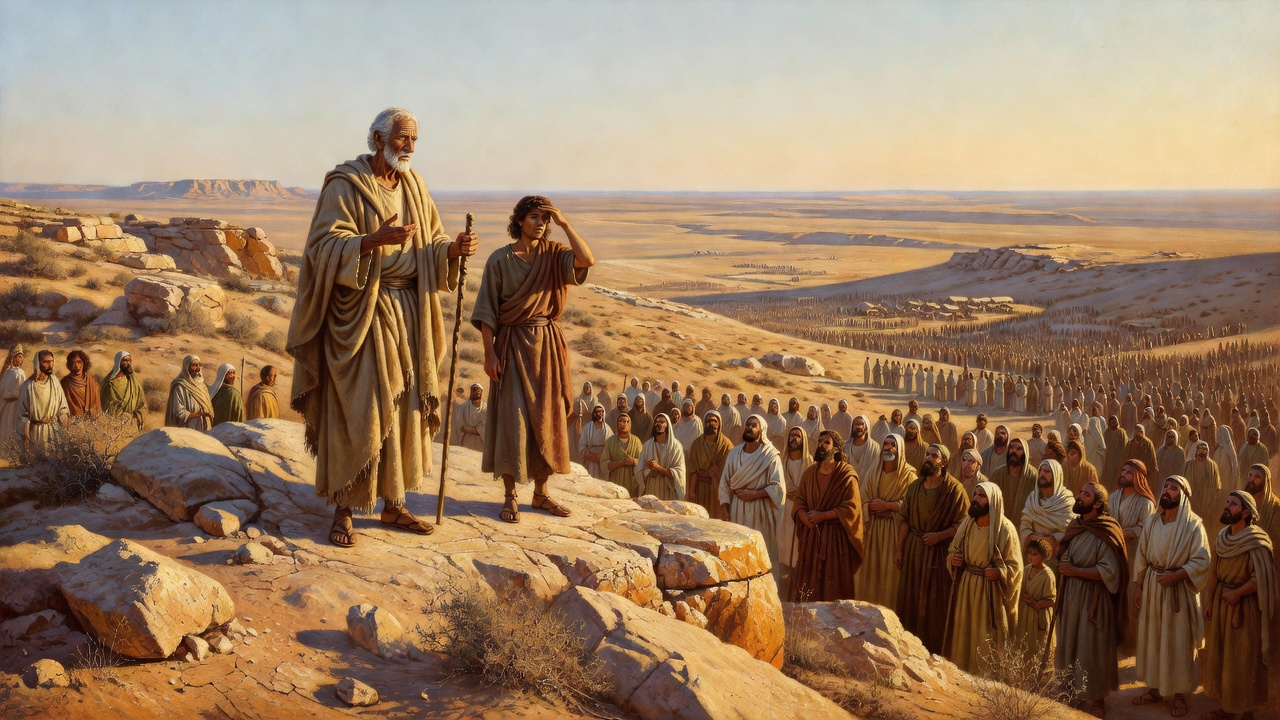
The Song of Moses and the View from Mount Nebo
- Moses, accompanied by Joshua son of Nun, recited this extended prophetic poem to the entire assembly of Israel. The song repeatedly uses the metaphor of God as the faithful Rock, contrasting divine protection and abundance in the wilderness with warnings about future idolatry and rebellion.Sources: the Bible text itself · Joshua · Nun
- The poem draws on the proverbial wickedness of Sodom and Gomorrah, comparing the spiritual corruption and hostility of Israel's adversaries to bitter grapes and deadly venom. In the biblical record, these ancient cities destroyed by fire serve as quintessential symbols of judgment and ruin.Sources: the Bible text itself · Sodom · Gomorrah
- Immediately after delivering the song, Moses was commanded to climb Mount Nebo in the Abarim range of Moab to gaze upon the promised land of Canaan. Because of the events at Meribah-kadesh, he was told he would die on the mountain without entering the land, just as his brother Aaron had died on Mount Hor.Sources: the Bible text itself · Mount Nebo · Aaron
Notes written with AI assistance from open sources (Theographic Bible Metadata, CC BY-SA 4.0; Easton’s Bible Dictionary, public domain) and reviewed before publishing.
Places in this chapter
- Bashan · 32.781, 35.935 · verse 14
- Jordan · Today: Jordan River · 31.761, 35.558 · verse 47
- Abarim · 31.754, 35.715 · verse 49
- Canaan · 32.767, 35.333 · verse 49
- Jericho · Today: Tell es Sultan · 31.872, 35.445 · verse 49
- Moab · Today: Moab 1 · 31.181, 35.701 · verse 49
- Meribah · Today: Ain el Qudeirat · 30.648, 34.422 · verse 51
- Zin · Today: Zin Desert · 30.971, 35.325 · verse 51
Only places identified with high confidence are shown (90% or more according to the scholarly sources compiled by OpenBible). Period map: DARE (Digital Atlas of the Roman Empire), CC BY 4.0; modern map: © OpenStreetMap contributors; places: OpenBible.info (CC BY 4.0).
Credits and license for this translation
KAKAƗYARI NIUKIEYA XAPAYARI WIXARIKAKƗ
The Holy Bible in the in Huichol language of Mexico, 2020 edition
La Santa Biblia en lengua huichol de México, edición 2020
copyright © 2020 Wycliffe Bible Translators, Inc.
Language: Huichol
Translation by: Wycliffe Bible Translators, Inc.
Huichol [hch], Mexico
Copyright Information
© 1988-2020, Wycliffe Bible Translators, Inc.
This translation text is made available to you under the
terms of the Creative Commons License: Attribution-Noncommercial-No Derivative Works.
( http://creativecommons.org/licenses/by-nc-nd/3.0/ )
In addition, you have permission to port the text to different file formats, as long as you
do not change any of the text or punctuation of the Bible.
You may share, copy, distribute, transmit, and extract portions
or quotations from this work, provided that you include the above copyright
information:
You must give Attribution to the work.
You do not sell this work for a profit.
You do not make any derivative works that change any of the actual words or punctuation of the Scriptures.
Permissions beyond the scope of this license may be
available if you contact
us with your request.
The Holy Bible
in Huichol
© 1988-2020, Wycliffe Bible Translators, Inc.
This translation is made available to you under the terms of the
Creative Commons Attribution-Noncommercial-No Derivatives license 4.0.
You may share and redistribute this Bible translation or extracts from it in any format, provided that:
You include the above copyright and source information.
You do not sell this work for a profit.
You do not change any of the words or punctuation of the Scriptures.
Pictures included with Scriptures and other documents on this site are licensed just for use with those Scriptures and documents.
For other uses, please contact the respective copyright owners.
2025-09-03
Source: http://ebible.org/hch/ · eBible.org