2 Thessalonians 2
KAKAƗYARI NIUKIEYA XAPAYARI WIXARIKAKƗ · Tap a verse to see its cross-references.
Matsiɨkɨtɨ kemɨrayani 'iya tewi yamɨtiyurieneni kemɨkatiheitserie
1Hikɨ 'iwamarixi, Tati'aitɨwame Ketsutsi Kɨritsitu kemɨtinuani hepaɨtsita meta hetsɨana ketemɨtekuxeɨriyani, mɨpaɨ tepɨtexewawirie, 2yapauka xepɨkaheuyuyexɨrɨwani yumu'utsie meta xepɨkamamaka hipame kemɨtiyɨni niukiyarikɨ, yatɨni xewitɨ mɨpaɨ tikuxatakaku, yatɨni xapa tahetsɨa kename miemekɨ, mɨpaɨ 'ayetaineme: «Ti'aitame tukarieya paye'ari». 3Xepɨkatepitɨaka nɨkahɨrixɨa xewitɨ xe'ukwamana, karikɨ meri hipatɨ Kakaɨyari me'aye'unietɨ mekanakɨnikuni meta matsiɨkɨme kanayuyeitɨamɨkɨ mɨkɨ tewi 'axamɨtiyuruwame, kemɨ'ane mɨka'unarieni. 4Mɨkɨ neye'uniekamɨkɨ kanitawe'eriekamɨkɨ naime Kakaɨyari mɨtitewa meta naime mɨrayexeiyarie, yɨkɨmana kanayerɨmɨkɨ Kakaɨyari tukieyata meta Kakaɨyari puyuxatani.
5¿Xekateha'eriwa mɨpaɨ nemɨtixe'utaxatɨakairi kepauka xehetsɨa nemeyeikakai 'akuxi? 6Hikɨri xekatenimaika ketita mɨkatipitɨa mɨkɨ tewi, matsiɨkɨtɨ mayanikɨ tukarieya 'aye'ayuke. 7Tita 'axamɨti'ane 'awie 'ari kanitsutɨaka yutɨrɨkariya, kaneuyeweka xeikɨari kemɨ'ane mɨka'ipitɨa manukuyani. 8'Anakeri, matsiɨkɨtɨ kanayeimɨkɨ 'iya 'axamɨtiyuruwame, mɨkɨ Ti'aitame Ketsutsi kanimiemɨkɨ yu'iyakɨ yuteta miemekɨ meta kanika'unamɨkɨ matsiɨkɨtɨ mayuyeitɨanitsie kepauka munuanitsie. 9Mɨkɨ 'axatiyuruwame kaninuamɨkɨ, Kauyumarie 'iparewiekaku, naimekɨ pɨtɨrɨkaɨyeni, mariweme pɨtiyurieneni meta 'inɨarite pɨtiwewieni tiyu'itaiyamekɨ. 10Naime ketita 'axamɨti'anekɨ pɨwakwamana mɨkɨ memeuyexɨrie memɨkayuwaɨrikɨ tita yuri mɨraine memɨtanaki'erienikɨ meta mɨpaɨ mɨkɨ niukikɨ memɨtetawikweitsitɨarienikekai. 11'Ayumieme Kakaɨyari pɨwapitɨa memɨte'irɨwiyarienikɨ, yuri memɨteta'erienikɨ 'itarikatsie, 12mɨpaɨ mekatenikwinitɨariekuni yunaitɨ yuri memɨkate'ita'eriri tita yuri mɨraine, matsi memɨnaki'akai kemɨkatiheitserietsie.
Kememɨte'anayexeiyarie memɨtawikweitsitɨarienikɨ
13Meta tame, kaneuyeweka taheyemekɨ pamɨpariyutsi temipitɨakakɨ Kakaɨyari xehepaɨtsita, 'iwamarixi Ti'aitame mɨxenaki'erie, tsutɨapai Kakaɨyari kanixe'anayexeiya xemɨtawikweitsitɨarienikɨ, hetsiena mieme xepatsietɨ 'Iyari kemɨtixepata meta yuri xete'erietɨ tita yuri mɨrainetsie. 14'Ayumieme kanixe'uta'inieni tame niuki 'aixɨa manuyɨne texekuxaxatɨwakaku, Tati'aitɨwame Ketsutsi Kɨritsitu hepaɨ witsixe'anenetɨ xemakɨnekɨ. 15Hikɨtsɨari, 'iwamarixi, xekeneti'uka 'aixɨa meta xepɨka'iku'e'eiriwani tita xemɨteyetuiriyarie xemɨte'uta'ɨkitɨarie niukikɨ meta xapakɨ.
16Tati'aitɨwame Ketsutsi Kɨritsitutɨtɨ meta Kakaɨyari mɨta'ukiyari, kemɨ'ane mɨtatsi'utanaki'eri meta 'aixɨa mɨtiuka'iyarikɨ mɨtatsinɨtɨa yuheyeme meta mɨtatsipitɨa 'aixɨati'aneme temɨtetakwewiekakɨ, 17mekexetuikani meta tɨrɨkariya mekexepitɨaka xe'iyaritsie, 'aixɨa xemutiyuanenikɨ meta 'aixɨa xemɨteyuriekakɨ.
Did you know?
The Day of the Lord Has Not Yet Come
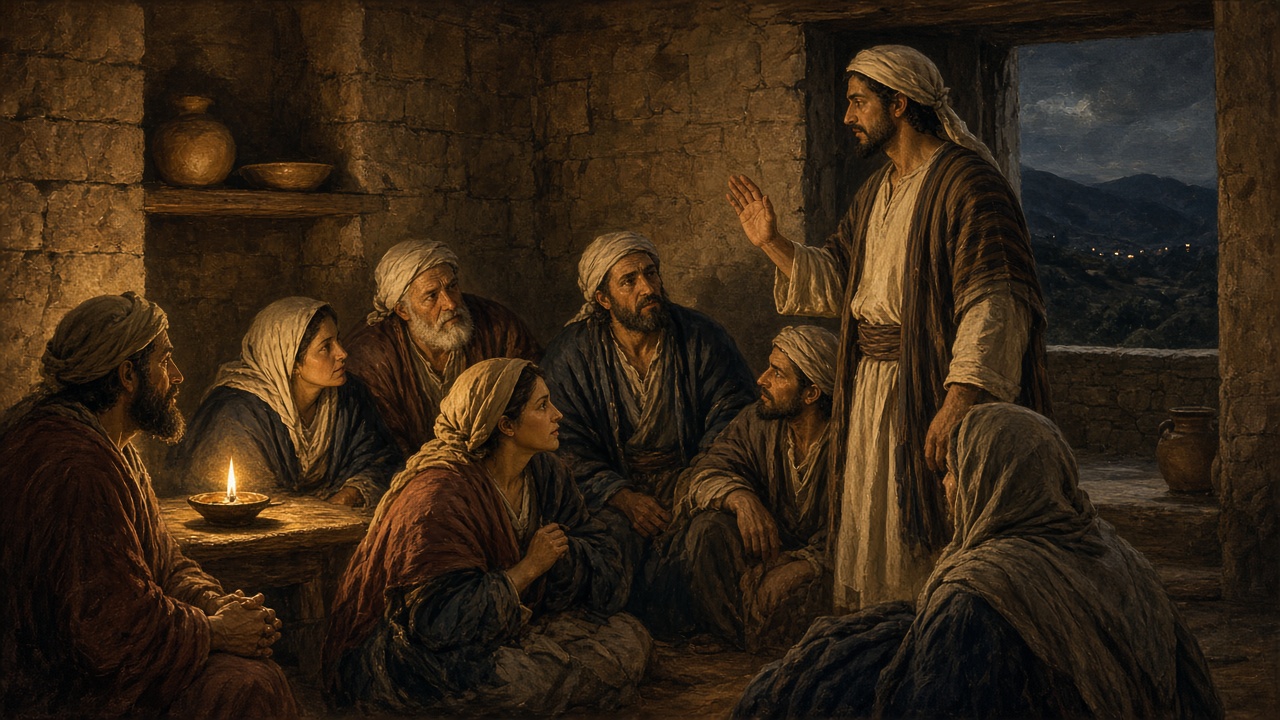
- The chapter urges readers not to be easily alarmed by a spirit, a message, or a letter that only seems to come from the authors and claims that the Day of the Lord has already come. It says that day will not arrive until the rebellion occurs and the man of lawlessness is revealed.Sources: the Bible text itself
- Called also the son of destruction, he is described as exalting himself above every so-called god, seating himself in the temple of God, and proclaiming himself to be God. The passage refers to what now restrains him, and to the one who restrains, but it does not name that restraint.Sources: the Bible text itself
- The coming of the lawless one is accompanied by the working of Satan, with every kind of power, sign, and false wonder. Satan means adversary or accuser; in the New Testament the name is used interchangeably with Diabolos, the devil, more than thirty times.Sources: the Bible text itself · Satan
Notes written with AI assistance from open sources (Theographic Bible Metadata, CC BY-SA 4.0; Easton’s Bible Dictionary, public domain) and reviewed before publishing.
Credits and license for this translation
KAKAƗYARI NIUKIEYA XAPAYARI WIXARIKAKƗ
The Holy Bible in the in Huichol language of Mexico, 2020 edition
La Santa Biblia en lengua huichol de México, edición 2020
copyright © 2020 Wycliffe Bible Translators, Inc.
Language: Huichol
Translation by: Wycliffe Bible Translators, Inc.
Huichol [hch], Mexico
Copyright Information
© 1988-2020, Wycliffe Bible Translators, Inc.
This translation text is made available to you under the
terms of the Creative Commons License: Attribution-Noncommercial-No Derivative Works.
( http://creativecommons.org/licenses/by-nc-nd/3.0/ )
In addition, you have permission to port the text to different file formats, as long as you
do not change any of the text or punctuation of the Bible.
You may share, copy, distribute, transmit, and extract portions
or quotations from this work, provided that you include the above copyright
information:
You must give Attribution to the work.
You do not sell this work for a profit.
You do not make any derivative works that change any of the actual words or punctuation of the Scriptures.
Permissions beyond the scope of this license may be
available if you contact
us with your request.
The Holy Bible
in Huichol
© 1988-2020, Wycliffe Bible Translators, Inc.
This translation is made available to you under the terms of the
Creative Commons Attribution-Noncommercial-No Derivatives license 4.0.
You may share and redistribute this Bible translation or extracts from it in any format, provided that:
You include the above copyright and source information.
You do not sell this work for a profit.
You do not change any of the words or punctuation of the Scriptures.
Pictures included with Scriptures and other documents on this site are licensed just for use with those Scriptures and documents.
For other uses, please contact the respective copyright owners.
2025-09-03
Source: http://ebible.org/hch/ · eBible.org