2 Samuel 4
KAKAƗYARI NIUKIEYA XAPAYARI WIXARIKAKƗ · Tap a verse to see its cross-references.
'Itsiwutseti kemɨtiumierie
1Merikɨtsɨ kepauka 'Itsiwutseti Tsahuri nu'aya mɨpaɨ mɨretima kename 'Awinexi Hewuruni paitɨ hemieriekai, 'ana kaniutimani meta 'ixaheritsixi yunaitɨ. 2'Itsiwutseti teɨteri yuhutame kaniwarexeiyakaitɨni, kuyaxi tewa'aitɨwamete mekanihɨkɨtɨkaitɨni. Xewitɨ Wanaha katinitewakaitɨni, xewitɨta Xekawi, mɨkɨ meyuhutatɨ Ximuni niwemama mepɨhɨkɨtɨkai Weruti kiekame, mɨkɨ Wenikamini mepɨnuiwarimamatɨkai. Weruti Wenikamini kwieyaritsie pɨrawiyakai. 3Weruti kiekatari meripaitɨ Kitahini mepuyuta'unaxɨ, hikɨ 'akuxi mana mekanetiteni.
4Kunatani Tsahuri nu'aya xeime yuniwe kanexeiyakaitɨni 'auxɨwime wiyari hexeiyakame Mepiwutseti titewakame muti'ɨtsaiwakai. Kepauka Ketsireri tewi heyeyaka mɨtiwarutaxatɨa kename Tsahuri meta Kunatani mehekwi'iwakai, mi'ɨwiyakai kaniyuta'unakaitɨni 'etutɨ, peru yumexɨitɨarikakɨ kanixuawa, 'ayumieme hurietɨ kanayani.
5Hikɨ Xekawi meta Wanaha Ximuni Weruti kiekame niwemama, 'Itsiwutseti kie mekanekɨne, hikɨ tuka 'amɨtiɨxɨkatsie mekaniu'axɨani, mɨkɨ kepauka mutikukutsutsie. 6'Ukaratsi kitenie tihɨweme kaneukuni tɨriku henatɨ, hikɨ mana mɨpaɨ mekatenanutakɨne Xekawi Wanaha matɨa 'awie kiita paitɨ. 7Kepauka 'upaitɨ memeutahaxɨa 'Itsiwutseti kanikutsukaitɨni yu'utatsie. Muwa mekaneititseixɨani mekanimieni, hikɨ mu'uya mehanutixiteka mekaneituni. Mɨkɨ tɨkaritsie 'Arawa makumawetsie mekaniuyekɨne, 8hikɨ Hewuruni meye'axɨaka Rawiri 'Itsiwutseti mu'uya mekaniyetuirieni mɨpaɨ me'utiyuatɨ:
—Neuxei 'ekɨ ti'aitame: 'Ena 'Itsiwutseti mu'uya tekamaniye'atɨirieka, Tsahuri mɨmatsi'aye'uniekai nu'aya muyutatexi matsi miemɨtɨ. Yawé hikɨ katinikɨhɨwirieni 'ekɨ ti'aitame 'ahetsiemieme, Tsahuri meta nuiwarimama kememɨmatsiyurikukai hepaɨtsita.
9Hikɨ Rawiri mɨpaɨ katiniwaruta'eiya Xekawi meta Wanaha Ximuni niwemama Weruti kiekame:
—Yurikɨ Yawé hɨxie mɨpaɨ nekanaineni, 'aixɨa mɨnetsi'uyuri ne'uximatɨarikatsie, 10meripaitɨ xewitɨ pɨnetiutaxatɨa kename Tsahuri hemɨkai, 'aixɨa ti'aneme netiutaxatɨame puyu'eriekai, peru ne tixaɨtɨ nepɨkatipitɨa, matsi nekanita'aita mɨhɨiyanikɨ meta mɨmierienikɨ mana Tsikɨraki kiekariyaritsie. 11Matsi yemekɨ kareuyewetse xeme nemɨxekwini teyukwikate 'atsikatiyurieneme xemumikɨ mexi kutsukai yu'utatsie. 'Ayumieme xekatenayukatuakuni xemimikɨ. Nekanixekumaweriyamɨkɨ 'ena kwiepa.
12Hikɨ Rawiri yukuyaxima katiniwaruta'aitɨani memɨwakwinikɨ meta wamamate wa'ɨkate memanuxitexɨanikɨ, hikɨ Hewuruni kiekariyaritsie haa mayemarike 'aurie wakaxari mekaniuyewɨtɨani. Matsi 'Itsiwutseti mu'uya Hewuruni mekanikateuku 'Awinexi makateukietsie.
Did you know?
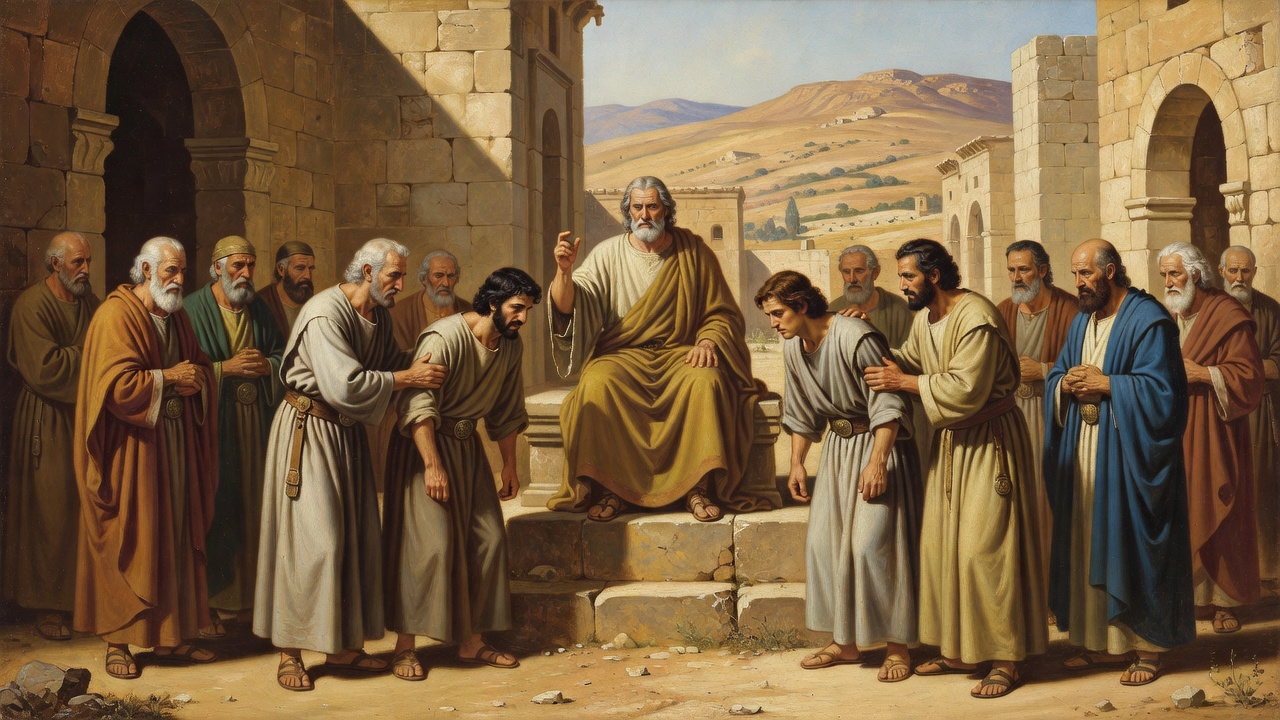
The Assassination of Ish-bosheth
- The assassins Baanah and Rechab were from Beeroth, an ancient Gibeonite town assigned to the territory of Benjamin. The biblical text notes that the Beerothites had previously fled to Gittaim, where they resided as foreigners.Sources: the Bible text itself · Beeroth · Gittaim · Rimmon
- The chapter introduces Mephibosheth, the surviving son of Jonathan and grandson of Saul. When news of the royal family's defeat arrived from Jezreel, the five-year-old child was dropped by his fleeing nurse, leaving him permanently lame in both feet.Sources: the Bible text itself · Mephibosheth
- When Rechab and Baanah brought Ish-bosheth's severed head to Hebron expecting praise, David recalled his earlier execution of the Amalekite messenger at Ziklag. David condemned the murder of an innocent man in his own bed, ordering the conspirators executed and burying Ish-bosheth's head in Abner's tomb.Sources: the Bible text itself · Baanah · Ziklag · Abner
Notes written with AI assistance from open sources (Theographic Bible Metadata, CC BY-SA 4.0; Easton’s Bible Dictionary, public domain) and reviewed before publishing.
Places in this chapter
Only places identified with high confidence are shown (90% or more according to the scholarly sources compiled by OpenBible). Period map: DARE (Digital Atlas of the Roman Empire), CC BY 4.0; modern map: © OpenStreetMap contributors; places: OpenBible.info (CC BY 4.0).
Credits and license for this translation
KAKAƗYARI NIUKIEYA XAPAYARI WIXARIKAKƗ
The Holy Bible in the in Huichol language of Mexico, 2020 edition
La Santa Biblia en lengua huichol de México, edición 2020
copyright © 2020 Wycliffe Bible Translators, Inc.
Language: Huichol
Translation by: Wycliffe Bible Translators, Inc.
Huichol [hch], Mexico
Copyright Information
© 1988-2020, Wycliffe Bible Translators, Inc.
This translation text is made available to you under the
terms of the Creative Commons License: Attribution-Noncommercial-No Derivative Works.
( http://creativecommons.org/licenses/by-nc-nd/3.0/ )
In addition, you have permission to port the text to different file formats, as long as you
do not change any of the text or punctuation of the Bible.
You may share, copy, distribute, transmit, and extract portions
or quotations from this work, provided that you include the above copyright
information:
You must give Attribution to the work.
You do not sell this work for a profit.
You do not make any derivative works that change any of the actual words or punctuation of the Scriptures.
Permissions beyond the scope of this license may be
available if you contact
us with your request.
The Holy Bible
in Huichol
© 1988-2020, Wycliffe Bible Translators, Inc.
This translation is made available to you under the terms of the
Creative Commons Attribution-Noncommercial-No Derivatives license 4.0.
You may share and redistribute this Bible translation or extracts from it in any format, provided that:
You include the above copyright and source information.
You do not sell this work for a profit.
You do not change any of the words or punctuation of the Scriptures.
Pictures included with Scriptures and other documents on this site are licensed just for use with those Scriptures and documents.
For other uses, please contact the respective copyright owners.
2025-09-03
Source: http://ebible.org/hch/ · eBible.org