2 Samuel 16
KAKAƗYARI NIUKIEYA XAPAYARI WIXARIKAKƗ · Tap a verse to see its cross-references.
Rawiri Tsiwaha matɨa
1Hikɨ hɨritsie me'anunexɨaka 'etsiwa 'ari yame'ahutɨ, Rawiri Tsiwaha kananukunake, Mepiwutseti ti'uximayatsiriwame, yuhutame puxuri puwarahapakai me'u'ikame, paa huta tsienituyari, kaxie patsaruyari tsuirayari xeitsienituyari, xapa 'ikwaxiyari tsuirayari xeitsienituyari meta xeime nawi kuxaɨriyaritsie kaxie winuyari.
2Ti'aitame mɨpaɨ katinita'iwawiya:
—¿Keri petiyurieni 'ikɨ naime?
Tsiwaha mɨpaɨ katinita'eiya:
—Puxuri mepɨ'ayumiemete 'atɨɨriyama memanutiyaxekɨ, paa yaxeikɨata 'ikwaxi 'akuyaxima memitikwanikɨ pɨ'ayumieme meta kaxie winuyari kemɨ'ane memuti'uxikeni makumawetsie pɨwahetsiemieme.
3Hikɨ ti'aitame mɨpaɨ katinita'iwawiya:
—¿Hakewari mati'aitɨwame teukarieya?
Tsiwaha mɨpaɨ katinita'eiya:
—Kerutsareme peyuhayewaxɨ. Mɨkɨ mɨpaɨ hikɨ katiniku'eriwani kename 'ixaheritsixi ti'aitamekɨ me'itahɨawe teukarieya mɨti'aitakaikɨ.
4Ti'aitame mɨpaɨ katinitahɨawe:
—Merikɨte, Mepiwutseti meripaitɨ naitɨ tita mɨtipiinieyatɨkai hikɨri 'ekɨ katini'apiinitɨni.
Tsiwaha mɨpaɨ kaniutayɨni:
—Ne netini'a'uximayatsiriwametɨni neti'aitɨwame. 'Aixɨa pekenetsiyurieka 'ayehemekɨ ti'aitame.
Tsimehi Rawiri hepaɨtsita ke'axamutainekai
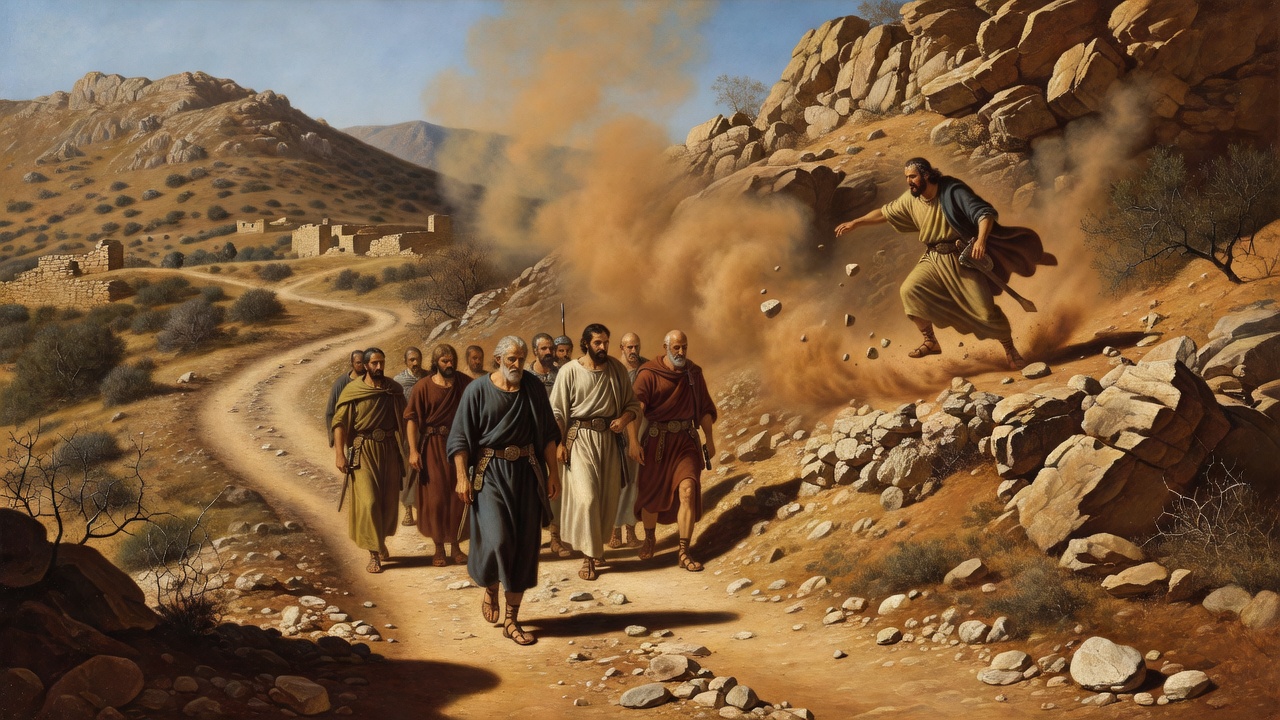
5Hikɨ kepauka Rawiri ti'aitame Wakurini munua, mana xewitɨ tewi kanayeneni Tsahuri nuiwarieyatɨtɨ, Tsimi titewatɨ Kera nu'aya. Mɨkɨ 'axatikɨhɨawetɨ kanitsutɨani, 6tetexikɨ Rawiri kanitituaxakaitɨni meta yunaime 'iparewiwamete meta tsepa kuyaximama ti'aitame 'aurie memawetɨkatei. 7'Itate'atɨ, Tsimi ti'aitame mɨpaɨ katinikɨhɨawekaitɨni:
—Keneumieni. Tiyumemiwame, pemɨkayukatewiya. 8'Aixɨa kani'aneni Yawé 'uximatɨarika mɨmatsipitɨa Tsahuri tɨɨriyamama pemɨwarukwikɨ. 'Ayumieme Yawé 'aniwe 'Awitsaruni pɨta ti'aitame kanayeitɨani. 'Axa'anemetsie pekaniyukahɨani. 'Ekɨta yaxeikɨa pepɨ'itɨarieni kepemɨtiuyuri pemɨti'amiekamekɨ.
9'Awitsahi Tsariwiya nu'aya ti'aitame mɨpaɨ katiniutahɨawe:
—¿Kehapaɨtɨtɨ 'ikɨ tsɨkɨ mɨmɨki puyuwaɨriya 'axamɨmatikɨhɨawe neti'aitɨwame? Keneneupitɨa nemɨmiekɨ mu'uya nemanutixitenikɨ.
10Ti'aitame matsi mɨpaɨ katinita'eiya:
—Nehetsiemieme pepɨka'anuyehakeni Tsariwiya nu'aya. Matsi xɨari Yawé yapɨreipitɨa 'axamɨnetitahɨawekɨ. Mɨpaɨ xɨka 'aneni, xewitɨ pɨkayɨwe mita'imaiya.
11'Awitsahi tikɨhɨawetɨ meta yunaime 'iparewiwamete, Rawiri mɨpaɨ kaniutayɨni:
—Metsɨ neniwetɨtɨ kanenimiemɨkɨni, matsi 'ikɨ wenikamini tewiyari tsepa mɨnetiumi. Xekenehayewani 'axamɨnetikɨhɨawenikɨ, Yawé matsi mɨpaɨ katinita'aitɨani. 12Yawé xɨari yapɨtimate kenemɨtiuka'eniwa, 'aixɨa mɨti'anekɨ pɨta netinakapitɨwani 'axamɨti'anekɨ nehetsie kemɨrahɨiwa.
13Rawiri meta teɨterimama mekanitsutɨani me'uhutɨ. Tsimi matsi 'aiwarita 'akuxi kaniwaruweiyakaitɨni Rawiri 'axatikɨhɨawetɨ, tetexikɨ 'ituaxirɨmetɨ meta tumuanari teikɨ 'utiwiwiwatɨ. 14Hikɨ ti'aitame meta kemɨ'ane memeweiyakai 'uxiyakɨ mekwiximetɨ mekaniu'axɨani Kurutani hatuxameyaritsie, manake mekaniuka'uxipieni.
Hutsahi 'ɨxatsieya meta 'Akituperi
15Merikɨteta, 'Awitsaruni meta 'ixaheritsixi yunaitɨ memeweiyakai Kerutsareme mekaneutahaxɨakaitɨni, 'Akituperi yaxeikɨata kaneweiyakaitɨni. 16Hikɨ Hutsahi 'araki tewiyari Rawiri hamikuya, 'Awitsaruni hɨxie kaniutakeni hikɨ mɨpaɨ katiniuhiwa:
—Ti'aitame ke'ayeniereni. Ti'aitame ke'ayeniereni.
17Hikɨ 'Awitsaruni mɨpaɨ katinita'iwawiya:
—¿'Ahamiku mɨpaɨ petinaki'erie? ¿Kehapaɨtɨtɨ tamɨ 'ekɨ titayari hamatɨana pekaretɨa?
18Hutsahi mɨpaɨ 'Awitsaruni katiniutahɨawe:
—Hawaikɨ nekɨmana. Matsi ne Yawé menayexei hamikuya nekanihɨkɨtɨni meta 'ikɨ kiekaritsie kiekatari memenayexei meta 'ixaheritsixi yunaitɨ. 'Ayumieme ne 'ahetsɨa nekaniyuhayewamɨkɨ. 19Matsi ¿kemɨ'ane kuta tawarita nepɨtita'uximayatsirieni? Nu'aya nekatinita'uximayatsiriemɨkɨ meripaitɨ 'ukiyarieya kenemɨtiuta'uximayatsiri hepaɨ.
20Mɨpaɨta 'Awitsaruni 'Akituperi katiniutahɨawe:
—Xekenetimamatekeni kehapaɨ temɨteyurieni.
21'Akituperi mɨpaɨ 'Awitsaruni katiniuta'eiya:
—'Ekɨ keneukahu'i 'apaapa tuxexerimama wahamatɨa, paratsiyu memɨhɨkakɨ mɨwaruku'eiri. 'Ana 'ixaheritsixi yunaitɨ mɨpaɨ mekatenetimaikɨni kename 'ekɨ ti'aitame 'apaapa pe'aye'uxiwe'erie, mɨpaɨ memɨmatsiparewie mekanitɨrɨkariyariekuni.
22Hikɨ 'ixuriki kiiyari mekaniutawewieni wapaitɨ kii heima 'Awitsaruni yupaapa tuxexerimama wahamatɨa mɨkahunikɨ 'ixaheritsixi yunaitɨ me'ixeiyakaku. 23'Ana 'Akituperi 'ɨxatsieya Kakaɨyari 'ɨxatsieya hepaɨ kani'anekaitɨni, Rawiri mɨpaɨ katinei'eniekaitɨni meta 'Awitsaruni yaxeikɨa.
Did you know?
David's Flight and Absalom's Entry
- As David fled down toward the Jordan valley, he passed near Bahurim, where a Benjamite named Shimei son of Gera walked along the opposite ridge. Belonging to the family of the house of Saul, Shimei cursed David, threw stones, and cast dust, accusing him of bringing ruin upon Saul's family.Sources: Shimei · Bahurim · the Bible text itself
- Ziba, a former servant of Saul's house, brought donkeys, bread, fruit, and wine to David during his flight. Ziba claimed that Jonathan's disabled son Mephibosheth had stayed in Jerusalem hoping the kingdom would be restored to his grandfather Saul, leading David to grant all of Mephibosheth's possessions to Ziba.Sources: Ziba · Mephibosheth · the Bible text itself
- After taking Jerusalem, Absalom received counsel from Ahithophel, whose advice was revered like the word of God. To thwart Ahithophel's strategies, David's loyal friend Hushai the Archite feigned allegiance to Absalom to remain inside the rebel court.Sources: Ahithophel · Hushai · the Bible text itself
Notes written with AI assistance from open sources (Theographic Bible Metadata, CC BY-SA 4.0; Easton’s Bible Dictionary, public domain) and reviewed before publishing.
Places in this chapter
- Mount of Olives · 31.778, 35.246 · verse 1
- Jerusalem · 31.777, 35.234 · verses 3, 15
- Jordan · Today: Jordan River · 31.761, 35.558 · verse 14
Only places identified with high confidence are shown (90% or more according to the scholarly sources compiled by OpenBible). Period map: DARE (Digital Atlas of the Roman Empire), CC BY 4.0; modern map: © OpenStreetMap contributors; places: OpenBible.info (CC BY 4.0).
Credits and license for this translation
KAKAƗYARI NIUKIEYA XAPAYARI WIXARIKAKƗ
The Holy Bible in the in Huichol language of Mexico, 2020 edition
La Santa Biblia en lengua huichol de México, edición 2020
copyright © 2020 Wycliffe Bible Translators, Inc.
Language: Huichol
Translation by: Wycliffe Bible Translators, Inc.
Huichol [hch], Mexico
Copyright Information
© 1988-2020, Wycliffe Bible Translators, Inc.
This translation text is made available to you under the
terms of the Creative Commons License: Attribution-Noncommercial-No Derivative Works.
( http://creativecommons.org/licenses/by-nc-nd/3.0/ )
In addition, you have permission to port the text to different file formats, as long as you
do not change any of the text or punctuation of the Bible.
You may share, copy, distribute, transmit, and extract portions
or quotations from this work, provided that you include the above copyright
information:
You must give Attribution to the work.
You do not sell this work for a profit.
You do not make any derivative works that change any of the actual words or punctuation of the Scriptures.
Permissions beyond the scope of this license may be
available if you contact
us with your request.
The Holy Bible
in Huichol
© 1988-2020, Wycliffe Bible Translators, Inc.
This translation is made available to you under the terms of the
Creative Commons Attribution-Noncommercial-No Derivatives license 4.0.
You may share and redistribute this Bible translation or extracts from it in any format, provided that:
You include the above copyright and source information.
You do not sell this work for a profit.
You do not change any of the words or punctuation of the Scriptures.
Pictures included with Scriptures and other documents on this site are licensed just for use with those Scriptures and documents.
For other uses, please contact the respective copyright owners.
2025-09-03
Source: http://ebible.org/hch/ · eBible.org