1 Samuel 28
KAKAƗYARI NIUKIEYA XAPAYARI WIXARIKAKƗ · Tap a verse to see its cross-references.
Tsahuri 'Enituhuxi kiekame mɨtimaiwe hamatɨa
1Merikɨtsɨ 'iya tukariyaritsie, piritsiteutsixi yukuyaxima mekaniwarukuxeɨriexɨani 'ixaheritsixi memɨwakwiyukɨ. 'Ayumieme 'Akihitsi Rawiri mɨpaɨ katiniutahɨawe:
—Mɨpaɨ ketinemaika 'ekɨ meta 'akuyaxima nehamatɨa tekanitakwiyuni tanaitɨ.
2Hikɨ Rawiri mɨpaɨ katinita'eiya:
—'Aixɨa kaniyɨmɨkɨ, yapekatinetimaimɨkɨ 'ekɨ neti'aitɨwame, ne mati'uximayatsiriwame kenemɨtiyɨwe.
'Akihitsi mɨpaɨ kaniutayɨni:
—Xɨka mɨpaɨ 'aneni, 'ena mɨtiyehane netsihɨweme pekanayeimɨkɨ.
3Merikɨte kepauka Tsamuheri mumɨ, 'ixaheritsixi yunaitɨ mepɨyuheiwerietɨkatei hetsiena mieme, Xamatsie menikateuku mana mɨkiekarieyatɨkaikɨ. Tsahuri mɨkɨ kwieyaritsie, memɨtemaikai mɨkite wahamatɨa memɨtekuxata meta memɨteyukewaiya kaniwarayeweiyaxɨakaitɨni.
4Hikɨ piritsiteutsixi me'uyukuxeurieka Tsuneni mɨrakutewatsie mekanikuyaxe. Meta Tsahuri 'ixaheritsixi warukuxeɨrieka mekanekɨne, Kiriwuha paitɨ mekanitiyaxe. 5Peru kepauka Tsahuri piritsiteutsixi mɨwaruxei, kaniutimani waɨkawa yu'iyaritsie kaneuyuyehɨani. 6'Ayumieme Yawé kaniutahɨawe, peru mɨkɨ pɨka'ita'ei, niheinɨtsitana ni'inɨari mupatsie Yawé hetsiemieme meta Kakaɨyari niukametemama waniuki. 7Merikɨte 'ayumieme Tsahuri kuyaxi tewa'aitɨwamete, mɨpaɨ katiniwaruta'aitɨani:
—Mɨtimaiwe xekenenekuwawiri mɨkite wahamatɨa mɨtikuxata, para nemumiekɨ nemeita'iwawiyakɨ.
Mɨpaɨ mekatenita'eiya:
—Xewitɨ 'Eniruxi kiekariyaritsie kanekani.
8Hikɨ Tsahuri kemarite yukɨ 'anenekame 'anakatɨxɨaka, teɨteri yuhutatɨ mekaneiweiya 'uyɨwikaku 'ukaratsi hetsɨa. Tsahuri mɨpaɨ katinitahɨawe:
—'Iyari kene'atɨa mɨyuhekɨatakɨ nemixeiyakɨ. Mɨpaɨ ketineuyuri kemɨ'ane nemɨmatsitaxatɨani.
9Merikɨte 'ukaratsi mɨpaɨ kaniutayɨni:
—¿Xɨari 'atsipepɨkatimate Tsahuri kemɨtiuyuri? 'Ikɨ kwieyaritsie mɨkite wahamatɨa memɨtekuxata meta memɨteyukewaiya kaniwarayeweiyaxɨani. 'Ekɨ penetsiwiniyamɨtɨ xeikɨa pekaniutaineni nemɨmierienikɨ.
10Merikɨte Tsahuri mɨpaɨ katinita'eiya:
—Kaniyuritɨni Yawé kemɨrayeniere, yurikɨ ne nematinikuhɨaweni nixewitɨ matsi pɨkamatikwinitɨani 'ikɨ hepaɨtsita.
11'Ukaratsi mɨpaɨ kaniutayɨni:
—¿Kemɨ'anekuta pepɨxeiyamɨkɨ?
Tsahuri mɨpaɨ katinita'eiya:
—Tsamuheri nekanixatani.
12Hikɨ 'ukaratsi Tsamuheri 'uxeiyaka kaniutahiwa marikakɨ. Mɨpaɨ katinitahɨawe:
—Kari 'ekɨ Tsahuri pepɨyɨane. ¿Titayari peneti'itaiyane?
13Hikɨ ti'aitame mɨpaɨ katinitahɨawe:
—Hawaikɨ pepɨkaheumaka. Tita pemɨtiuxei kenetineutaxatɨa.
Mɨkɨ mɨpaɨ katinita'eiya:
—'Iyari kwieta maukatewatsie 'atimieme nepɨxeiya.
14Tsahuri mɨpaɨ katinita'iwawiya:
—¿Kehapaɨ tiyuxexeiya?
Mɨkɨ mɨpaɨ katinitahɨawe:
—Kani'ukiratsitɨni matakɨ kaniyu'eimani kwieta maukatewatsie kanatimieni.
Tsahuri mɨpaɨ retimaika Tsamuheri mɨyɨanekaikɨ, kaniutihɨximakeni titunumawetɨ kwiepa.
15Hikɨ Tsamuheri Tsahuri mɨpaɨ katiniutahɨawe:
—¿Titayari peneti'uximatɨa tawarita nemɨnuanikɨ?
Tsahuri mɨpaɨ katinita'eiya:
—Waɨkawa matsi nekanine'iyaritɨaka piritsiteutsixi mekanenimietɨweni meta Kakaɨyari kaneniuku'eirieni. Pɨkanetsiku'eiya nineheinɨtsikatsie meta Kakaɨyari niukametemama wahetsie. 'Ayumieme nemɨmatsitahɨawekɨ nekaninewaɨriya, kenemɨtiyurieni yapemɨnetitahɨawekɨ.
16Hikɨ Tsamuheri mɨpaɨ katinita'eiya:
—Kamɨtsɨ xɨka Yawé matsi'uku'eirieni matsi'aye'unietɨ pɨta xɨka yuhayewa, ¿Titayari ne penera'iwawiya? 17Matsi Yawé yakatinaye'atɨani kemutayɨkai meripaitɨ: Mɨkɨ matsi kamaniunawairieni kepemɨti'aitametɨkai, Rawiri pɨta kaniyetuirieni. 18'Ekɨ Yawé pemɨka'anu'enikɨ, 'amarekitsixi kemɨtiwahekakai pepɨkawarukwi, 'ayumieme hikɨ mɨkɨ mɨyakamatinikwinitɨaka. 19Merikɨte Yawé piritsiteutsixi wahetsɨa kamaniyetuamɨkɨ meta 'ixaheritsixi. 'Ekɨ meta 'aniwema 'uxa'a nehamatɨa 'uwa xekaniyuhayewakakuni meta 'ixaheritsixi mekana'iwariekuni.
20Hikɨ Tsahuri Tsamuheri 'u'enieka yapauka marikakɨ kanatiweni. Waɨkawa kaniutimani Tsamuheri mɨpaɨ mɨtitahɨawixɨkɨ meta haakakɨ kanimɨximekaitɨni, tɨkarikɨ tukarikɨ tixaɨ pɨkatitakwaiwekai. 21Merikɨte 'ukaratsi Tsahuri 'uxeiyaka, mana 'ukaikame, mɨpaɨ katinitahɨawe:
—Ne ti'a'uximayatsiriwame yanepɨtikatɨa kepemɨnetiu'aitɨa kepemɨnetiutahɨawixɨ, netukari neyetuatɨ. 22Hikɨta 'ekɨ kenenanu'eni pekatinikwaimɨkɨ 'ikwai nepɨkawewieni, mɨpaɨ peyukamaime 'ahuyeta pekaniyemieni.
23Hikɨ Tsahuri kaniyuku'imawakaitɨni. Yaxeikɨata 'iparewiwamete mekatenikɨhɨawekaitɨni 'ukaratsi kemɨtikɨhɨawekai, 'imatɨrieka kaniyuwaɨriya. Kwiepa 'anukukeka 'utatsie kanayerɨni. 24Merikɨte 'ukaratsi yukie tsikeru kaniweriyakaitɨni, mɨkɨ kaniumieni meta tɨriku tɨxiyari kaniupɨna, tsuirayari kaniutiwewieni kanitikwaxiya. 25Hikɨ Tsahuri katiniukwani meta 'iparewiwamete. 'Ana tɨkariyaritsie mete'ukwaka mekanayekɨne.
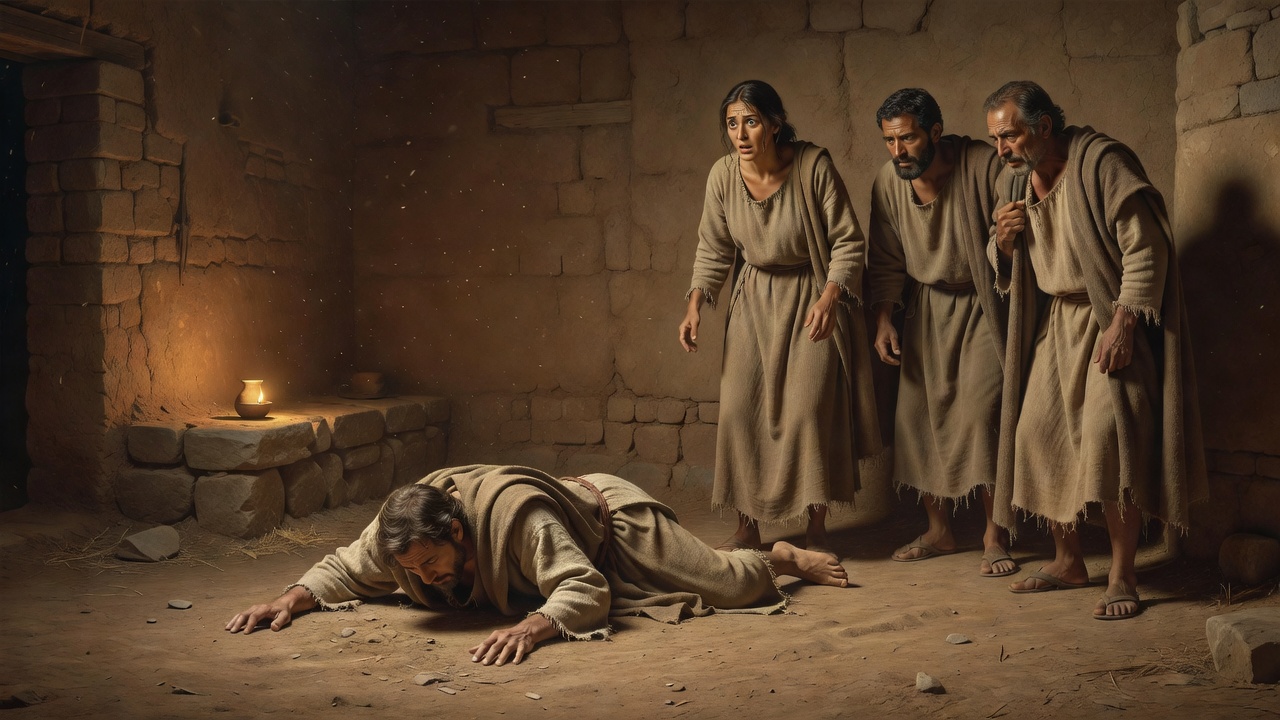
Did you know?
Saul and the Medium of Endor
- After the death of Samuel, Saul had expelled mediums and spiritists from the land of Israel. However, when the Philistine army gathered at Shunem and the LORD did not answer Saul through dreams, the Urim, or prophets, the frightened king disguised himself at night to consult a surviving medium in nearby Endor.Sources: the Bible text itself · En-dor · Shunem · Gilboa
- While Saul prepared for the impending battle at Mount Gilboa, David was living in exile under the protection of Achish, a Philistine king. Achish placed such confidence in David's fidelity that he appointed him as his permanent personal bodyguard for the war against Israel.Sources: the Bible text itself · Achish
Notes written with AI assistance from open sources (Theographic Bible Metadata, CC BY-SA 4.0; Easton’s Bible Dictionary, public domain) and reviewed before publishing.
Places in this chapter
- Mount Gilboa · 32.434, 35.414 · verse 4
- Shunem · Today: Sulam · 32.606, 35.334 · verse 4
- Amalek · 30.648, 34.422 · verse 18
Only places identified with high confidence are shown (90% or more according to the scholarly sources compiled by OpenBible). Period map: DARE (Digital Atlas of the Roman Empire), CC BY 4.0; modern map: © OpenStreetMap contributors; places: OpenBible.info (CC BY 4.0).
Credits and license for this translation
KAKAƗYARI NIUKIEYA XAPAYARI WIXARIKAKƗ
The Holy Bible in the in Huichol language of Mexico, 2020 edition
La Santa Biblia en lengua huichol de México, edición 2020
copyright © 2020 Wycliffe Bible Translators, Inc.
Language: Huichol
Translation by: Wycliffe Bible Translators, Inc.
Huichol [hch], Mexico
Copyright Information
© 1988-2020, Wycliffe Bible Translators, Inc.
This translation text is made available to you under the
terms of the Creative Commons License: Attribution-Noncommercial-No Derivative Works.
( http://creativecommons.org/licenses/by-nc-nd/3.0/ )
In addition, you have permission to port the text to different file formats, as long as you
do not change any of the text or punctuation of the Bible.
You may share, copy, distribute, transmit, and extract portions
or quotations from this work, provided that you include the above copyright
information:
You must give Attribution to the work.
You do not sell this work for a profit.
You do not make any derivative works that change any of the actual words or punctuation of the Scriptures.
Permissions beyond the scope of this license may be
available if you contact
us with your request.
The Holy Bible
in Huichol
© 1988-2020, Wycliffe Bible Translators, Inc.
This translation is made available to you under the terms of the
Creative Commons Attribution-Noncommercial-No Derivatives license 4.0.
You may share and redistribute this Bible translation or extracts from it in any format, provided that:
You include the above copyright and source information.
You do not sell this work for a profit.
You do not change any of the words or punctuation of the Scriptures.
Pictures included with Scriptures and other documents on this site are licensed just for use with those Scriptures and documents.
For other uses, please contact the respective copyright owners.
2025-09-03
Source: http://ebible.org/hch/ · eBible.org