1 Samuel 12
KAKAƗYARI NIUKIEYA XAPAYARI WIXARIKAKƗ · Tap a verse to see its cross-references.
Tsamuheri kemɨtiutateutaxɨ
1Merikɨtsɨ Tsamuheri 'ixaheritsixi yunaime mɨpaɨ katiniwarutahɨawe:
—Xekeneneu'eni, ne naimekɨ nepɨxeheu'eniekai kexemɨnetekɨhɨawekai, tixe'aitɨwame nepɨxe'anukaketsiri mɨtixe'aitɨakakɨ. 2Mɨkɨri kanihɨkɨtɨni mɨxeyewitɨni. Neri nepu'ukiratsi meta nepɨmutuxari meta neniwema kiekatari mekanihɨkɨtɨni. Ne nepɨxeparewie temaikɨyaripai hikɨ tukaritsie 'akuxi. 3'Ena xepɨnetsi'uketsa. Yawé hɨxie kexemɨnete'utahɨawe xepɨyɨwawe meta menayexei hɨxie. ¿Kemɨ'ane tuuruya, puxuya nepunawa? ¿Kemɨ'ane nepukwamanaxɨ? ¿Kemɨ'ane nepuhiweritɨa? ¿Kemɨ'ane nepɨkarakapitɨa? Xekeneneutaxaneta nepɨrayukatuani kexemɨnetetawawirieni.
4Mɨkɨ mɨpaɨ mekatenita'eiya:
—Hatsuaku pepɨkatatsihekwamanaxɨ, pepɨkatatsi'uhiweritɨa, nixeimetɨma pepɨkatiunawatsiri.
5Tawarita Tsamuheri mɨpaɨ katiniwarutahɨawe:
—Yawé meta mɨkɨ menayexei hamatɨa memunenierixɨ mepɨhɨme, tixaɨtɨ xemɨkate'ukaxeikɨ 'axamɨti'ane nehetsie.
Teɨteri mɨpaɨ mekatenita'eiya:
—'Aixɨa pɨ'ane, mɨkɨ mekehɨkɨtɨni.
6Metatsiere Tsamuheri mɨpaɨ katiniwarutahɨawe:
—Yawé munierixɨ pɨhɨkɨ, Muitsexi 'Aruni mɨwaranayexei memɨwarayewitɨnikɨ xetutsima 'Ekipitutsie. 7Hikɨ xekeneneu'eni. Yawé waɨkawa 'aixɨa pɨxeyurie hikɨ yaxeikɨa xetutsima wahepaɨ, ne peru tixaɨtɨ nepɨrexeiya xehetsiemieme nemɨxetaxanetakɨ.
8»Kakuwu kepauka 'Ekipitu munua 'arikeke, nuiwarimama Yawé mekanahɨawekaitɨni muwatawikweitsitɨanikɨ. Hikɨ Yawé Muitsexi meta 'Aruni kaniwarenɨ'ani 'Ekipitu, memɨwarayewitɨnikɨ 'ena memɨwa'atɨanikɨ. 9Peru Yawé yukakaɨyari mekanatɨmaiya, 'ayumieme mɨkɨ kaniwayetuani Tsitsara kuyaxi tiwa'aitɨwame hetsɨa Katsuxi kiekame, meta piritsiteutsixi wahetsɨa meta Muhawi ti'aitame hetsɨa, mɨkɨ mekaniwarutakwini. 10'Ayumieme xeme Yawé xeputahɨawixɨ mɨxeparewienikɨ: “Tame 'axatepɨte'uyuri Yawé temuku'eirikɨ meta kakaɨyarixi Wahari hetsɨa miemete meta 'Atsitaruti 'ɨkiyarite tehayexeiyatɨ temakɨkɨ. Peru xɨka hikɨ petatsi'uparewieni memɨtatsi'aye'unie temɨwara'iwakɨ, 'ekɨ xeikɨari tepɨmatsi'ayexeiyani”. 11Hikɨ 'ayumieme, Yawé Yeruwahari kaneyenɨ'ani meta Waraki, Ketexi meta Tsamuheri, mɨkɨ wareyenɨ'aka kanixe'utawikweitsitɨani memɨxe'aye'uniekai watsata, kayuwatɨ xemu'uwanikɨ yu'iyarikɨ.
12»Neuxei xeme kepauka Nakaxi 'amunitsixi tiwa'aitɨwame xemutamari xe'uniekame, xeme matsi mɨpaɨ xepɨnetekɨhɨawekai: “Pɨkatixaɨtsietɨ. Tame tepeiyehɨwa tati'aitɨwame”. Yawé matsi xekakaɨyari, tixe'aitɨwame hɨkɨtɨkaku. 13'Aixɨa kani'aneni, tixe'aitɨwame 'ena kaniuweni xemita'iwau xemenayexei. Peru mɨpaɨ xeketenemaika, Yawé kanihɨkɨtɨni mɨkɨ xeti'aitɨwame mɨxeyetuiri. 14Xɨka xeme meta xeti'aitɨwame, Yawé yukakaɨyari xe'eyemakatɨ xe'akɨne, xete'i'uximayatsirieka, xɨka xehei'enieka, yaxetekahutɨ 'aitsikayatsie meta xɨka 'aixɨa xete'u'uwani. Yemekɨ 'aixɨa pɨ'ane. 15Peru, xɨka Yawé 'aitsikateya xekahanu'enieni, xɨka xeka'i'enieni, mɨkɨ kaniyeha'amɨkɨ 'axakanixeyurimɨkɨ xetutsima meripaitɨ kemɨwaruyuri hepaɨ.
16»Hikɨta xekeneneu'eni, xekeneunenieri yeme hikɨ Yawé mariwemekɨ kemɨtiyurieni. 17Hikɨ witarita pɨkahɨkɨ, matsi 'itsanaxa pɨhɨkɨ, peru ne Yawé nenitahɨawimɨkɨ, mɨkɨ menɨ'anikɨ wiyeri meta tɨranari, mɨpaɨ 'ana yaxepɨtehetimani kename Yawé hɨxie 'axaxete'uyuri xemitawawirikɨ xeime ti'aitame».
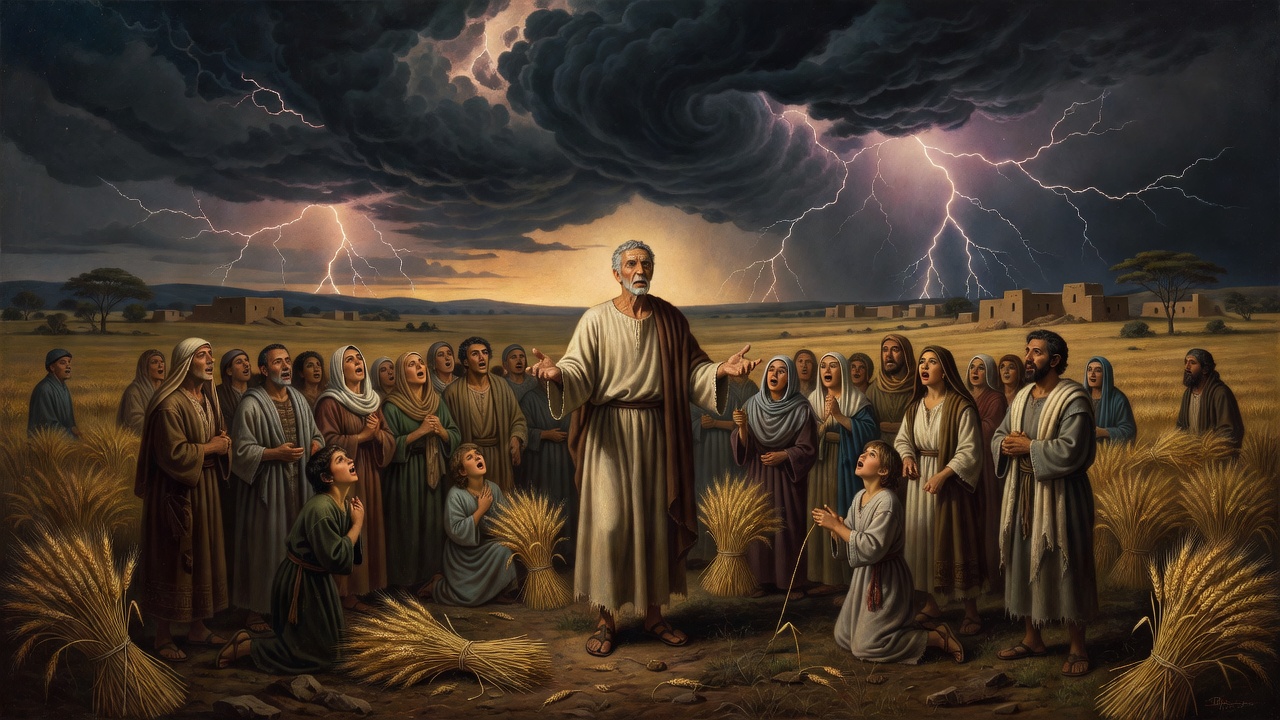
18Tsamuheri Yawé kaniutahɨawe, hikɨ mɨkɨ tukaritsie Yawé wiyeri tɨranari kaneyenɨ'ani, hikɨ yunaitɨ teɨteri mekaniutimamani Yawé hɨxie meta Tsamuheri hɨxie. 19'Ayumieme Tsamuheri mɨpaɨ mekateniutahɨawe:
—Yawé 'akakaɨyari nenewieri keneupitɨa tahetsiemieme mate'uximayatsiriwamete mɨkatatsikwinikɨ. Tame teyunaitɨ 'axatepɨte'uyuri 'akuxi matsi ti'aitame temuta'iwaukɨ yemekɨ 'axatepɨte'uyuri.
20Tsamuheri mɨpaɨ katiniwaruta'eiya:
—Xepɨkaheumamaka. Tsepanetɨ waɨkawamekɨ 'axaxemɨte'uyuri, Yawé xepɨka'uku'e'eiriwani, matsi pɨta naime yu'iyarikɨ xeketene'uximayatsirieka. 21Kakaɨyarixi tixaɨtɨ memɨkateyunaki'erie xepɨkawarayexeiyani, mɨkɨ mepɨkayɨwawe memɨxe'uparewieni memɨxe'utawikweitsitɨani, tixaɨtɨ memɨkatehɨkɨkɨ. 22Yawé pinake memeitimanikɨ teɨteri yemekɨ, 'ayumieme yuteɨterima pɨkawarexɨrieni, matsi pɨta yuteɨterima pɨxe'ayeitɨa xeme 'aixɨa 'iyarikɨ. 23Peru neta Yawé kenetsiparewieka nemɨkatihayewakɨ xehetsiemieme neyunenewietɨ, xɨka ne netiuhayewa Kakaɨyari hetsiemieme 'axanepɨtiyurieni. Meta huye mɨheitserie 'aixɨa mɨ'ane nepɨxe'ɨkitɨaka 'akuxi. 24Waɨkawamekɨ nepɨxehayehɨtɨwa Yawé xemayemakaxenikɨ, naime yu'iyarikɨ xekenayexeiyani, xehe'eriwatɨ mariwemekɨ kemɨtiuyuri xehetsiemieme. 25Xɨka xekate'uhayewa 'axaxeteyurietɨ, xeti'aitɨwame meta xeme xekanika'unariekuni.
Did you know?
Samuel's Farewell Address and the Sign of Rain
- Before formally transferring governance to King Saul, Samuel publicly challenged the entire nation to testify if he had ever taken an ox, extorted a bribe, or oppressed anyone during his lifelong leadership. The assembly confirmed his complete integrity.Sources: the Bible text itself
- Samuel reminded the Israelites of their history, noting that whenever they turned from idolatry, God raised deliverers such as Jerubbaal (another name for Gideon), Jephthah, and Samuel himself to rescue them from oppressors.Sources: the Bible text itself · Gideon · Jephthah
- To demonstrate the gravity of demanding an earthly king, Samuel called upon God to send thunder and rain during the wheat harvest, which was typically a dry season in the region. The sudden storm led the people to revere God and ask Samuel to intercede for them.Sources: the Bible text itself
Notes written with AI assistance from open sources (Theographic Bible Metadata, CC BY-SA 4.0; Easton’s Bible Dictionary, public domain) and reviewed before publishing.
Places in this chapter
- Egypt · 30.129, 31.308 · verses 6, 8
- Hazor · Today: Tel Hazor · 33.018, 35.569 · verse 9
- Moab · Today: Moab 1 · 31.181, 35.701 · verse 9
- Ammon · 31.955, 35.934 · verse 12
Only places identified with high confidence are shown (90% or more according to the scholarly sources compiled by OpenBible). Period map: DARE (Digital Atlas of the Roman Empire), CC BY 4.0; modern map: © OpenStreetMap contributors; places: OpenBible.info (CC BY 4.0).
Credits and license for this translation
KAKAƗYARI NIUKIEYA XAPAYARI WIXARIKAKƗ
The Holy Bible in the in Huichol language of Mexico, 2020 edition
La Santa Biblia en lengua huichol de México, edición 2020
copyright © 2020 Wycliffe Bible Translators, Inc.
Language: Huichol
Translation by: Wycliffe Bible Translators, Inc.
Huichol [hch], Mexico
Copyright Information
© 1988-2020, Wycliffe Bible Translators, Inc.
This translation text is made available to you under the
terms of the Creative Commons License: Attribution-Noncommercial-No Derivative Works.
( http://creativecommons.org/licenses/by-nc-nd/3.0/ )
In addition, you have permission to port the text to different file formats, as long as you
do not change any of the text or punctuation of the Bible.
You may share, copy, distribute, transmit, and extract portions
or quotations from this work, provided that you include the above copyright
information:
You must give Attribution to the work.
You do not sell this work for a profit.
You do not make any derivative works that change any of the actual words or punctuation of the Scriptures.
Permissions beyond the scope of this license may be
available if you contact
us with your request.
The Holy Bible
in Huichol
© 1988-2020, Wycliffe Bible Translators, Inc.
This translation is made available to you under the terms of the
Creative Commons Attribution-Noncommercial-No Derivatives license 4.0.
You may share and redistribute this Bible translation or extracts from it in any format, provided that:
You include the above copyright and source information.
You do not sell this work for a profit.
You do not change any of the words or punctuation of the Scriptures.
Pictures included with Scriptures and other documents on this site are licensed just for use with those Scriptures and documents.
For other uses, please contact the respective copyright owners.
2025-09-03
Source: http://ebible.org/hch/ · eBible.org