1 Peter 2
KAKAƗYARI NIUKIEYA XAPAYARI WIXARIKAKƗ · Tap a verse to see its cross-references.
1'Ayumieme, xeketeneuhayewa 'axaxeteyurietɨ naime meta xete'itawatɨ, yakɨxeikɨa xepɨkatekuxatani, xepɨkateyukananaimaka, hipame xepɨkawaniukimaka, 2tɨɨri xike memutinunuiwaxɨ wahepaɨ pɨta xekenehiwe'erieka retsi 'iyaritsie mieme mɨkahatuiyarie. Mɨkɨkɨ xekanitiwawerikuni, xewikweitsitɨarietɨ xekanakɨnikuni, 3Hikɨri xekane'inɨata, Ti'aitame 'aixɨa kemɨtiuka'iyari.
Tete hepaɨ kemɨ'ane mayeyuri
4Kɨritsitu tete mayeniere kanihɨkɨtɨni, teɨteri memitixani'eri, peru Kakaɨyari kanenayexeiya. Mariwemekɨ 'aixɨa mɨtixeiyarienikɨ. Kepauka hetsɨana xemɨye'axe 5xemeta tetexi kemɨtiu'uitɨariwa kii mayanikɨ yaxeikɨa xeme xe'ayenenieretɨ xepɨti'uitɨarieni kii xemakɨnekɨ 'iyaritsie mieme. Mawari wewiwamete xekenakɨni Kakaɨyari hetsiemieme xepatsietɨ, xemixatɨanikɨ mawari 'iyaritsie mieme kemɨtinake Kakaɨyari, Ketsutsi Kɨritsitu xeparewiekaku. 6'Ayumieme mɨpaɨ pɨre'uxa:
«Neuxei, Tsiyunitsie nekanitakeni
tete manayexeiyarie tsikurita mieme,
waɨkawa mariwetɨ kemɨ'ane yuri mɨti'erie hetsiena
hatsuaku pɨkatiyutewinɨaka».
7Kwinimieme mariwemekɨ witsixepɨte'ixeiya, xeme yuri xemɨte'erie, peru yuri memɨkate'erie wahepaɨtsita pɨta kemaine,
«Kii wewiwamete tete memutixani'eri,
matsi mɨkɨ tete 'itsikina mieme kanayani»,
8metatsiere mɨpaɨ paine:
«mɨkɨ tetetsie mepɨtiketamɨre
meta tete mɨwarekaxɨrieni kanihɨkɨtɨni».
Mɨkɨ mekaniutiketamɨreni niukitsie yamemɨkatekahukɨ, mɨpaɨ memɨteyurienikɨ memɨ'ayumiemetetɨkaikɨ.
9Xeme pɨta xeime nuiwari xekanihɨkɨtɨni xemanayexeiyarie, Mawari wewiwamete ti'aitamete hetsɨamiemete, nuiwari xemɨpatsie, Kakaɨyari yuteɨterima mɨxe'ayeitɨa, xemɨtehekɨatanikɨ mariwemekɨ kemɨtiyuriene kemɨ'ane mɨxe'uta'ini xemɨtehayewakɨ yɨwipa xe'u'uwatɨ, mɨkɨ hekɨariyayatsie pɨta xemu'uwanikɨ mɨmariwetsie. 10Meripaitɨ nuiwari xepɨkahɨkɨtɨkai, hikɨri Kakaɨyari teɨterimama xekanihɨkɨtɨni, meripaitɨ xepɨkanenimayatsiekai, hikɨri xeputinenimayatsie.
11Nenaki'erima kɨkamete xekanihɨkɨtɨni ku'uwamete xekanihɨkɨtɨni, 'ayumieme mɨpaɨ nekatinixetuikani, xemɨtehayewakɨ yaxeteyurietɨ kemɨtiyukahiwe'erie waitsie tiwiyatɨ, mɨkɨ hiwe'erika ta'iyari hamatɨa kaniyukwitɨweni. 12Hipame nuiwarite watsata 'aixɨa 'anemekɨ xekeneyɨaka, xɨka mɨpaɨ xeteyurieka, tsepa memɨxeniukima 'axaxemɨteyurie me'utiyuatɨ, 'aixɨa 'anemekɨ xemɨteyuriekɨ mexexeiyatɨ 'aixɨa me'utiyuatɨ Kakaɨyari hepaɨtsita mekanakɨnikuni, mɨkɨ tukari 'aye'ayu kepauka mɨwatawikweitsitɨani.
'Itsɨkate ketemɨtewareu'enieka
13Ti'aitame hetsɨa xemɨmiemetekɨ, yaxeketenekahuni kememutiyuane 'itsɨkate heitserie memexeiya teɨteri watsata, yaxeketenekahuni kwiepa ti'aitame kemaine mɨkɨ mɨmariwekɨ. 14Yaxeketenekahuni kuwexinaruritsixi kememutiyuane, kwiepa ti'aitame mɨwareyenɨ'axɨakɨ memɨwaraye'eritɨanikɨ mɨkɨ 'axamemɨteyurie, 'aixɨa memɨtewatahɨawekɨ mɨkɨ 'aixɨa memɨteyurie. 15'Ipaɨ kani'aneni tita Kakaɨyari mɨtinake, xeme 'aixɨa xeteyurietɨ xemenukanakakɨ yakɨ xeikɨa kememutiyuane teɨteri 'atsimemɨkatemate. 16Xekanixɨxɨnini, peru xexɨxɨnitɨ heitserie xehexeiyame 'axaxemɨteyuriekakɨ xepɨkayu'erieka, Kakaɨyari te'uximayatametemama pɨta xekanihɨkɨtɨni. 17Waɨkawamekɨ 'aixɨa xeketeniwaxeiyani yuxexuime: xekeniwanaki'erieka 'iwamarixi, Kakaɨyari xekenayemakaxeni, kwiepa ti'aitame mariwemekɨ 'aixɨa xeketenexeiyani.
18Te'uximayatamete, yaxeketenekahuni kememutiyuane xekutsiyarima naimekɨ xetewareuyehɨwirietɨ, 'aixɨa memɨte'u'iyari memɨka'ayu'eririya nepɨkawaxata xeikɨa, matsi memɨtsetse'ita kememutiyuane yaxeketenekahuni. 19'Aixɨa pɨtikɨhɨawarɨwani xɨka hiweritɨarieka Kakaɨyari ha'eriwatɨ, xɨka tiukakukuineni heitseriemekɨ ka'itɨarietɨ. 20Peru, ¿titakɨ 'aixɨa xetekɨhɨawarɨwani xɨka xete'uka'eniwani, 'axaxete'uyurieka xeikɨa xe'utiweiyani? Matsi pɨta 'aixɨa xeteyurietɨ xɨka xe'utiweiyani xete'uka'eniwani, Kakaɨyari 'aixɨa pɨtixetahɨawe. 21Mɨpaɨ 'ayumieme xeputa'inierie, Kɨritsitu pɨtiukwinixɨ xehetsiemieme, 'inɨari xepitɨatɨ, xemiweiyanikɨ mɨkɨ kemɨtiyurienekai.
22«Mɨkɨ 'axapɨkatiuyuri,
nanaimarika tetana pɨkaxuawekai».
23'Axatikɨhɨawarɨwatɨ 'axapɨkatiwarutahɨawixɨ, tikwinetɨ 'atsipɨkahainekai kename 'axawayurienikekai, matsi kaniyuyetuani kemɨ'ane heitseriemekɨ mɨwa'inɨata 'aixɨa miyurienikɨ. 24Mɨkɨ yuwaiyaritsie kanititɨni tita 'axatemɨte'uyuri kɨyetsie mukawiyatsie, tame te'utixɨnarieme 'axatemɨkateyuriekakɨ 'uxa'atɨni warie, temayenenierenikɨ pɨta heitseriemekɨ yatetekahutɨ. Mɨkɨ mɨtiukwinitɨariekɨ, xeme 'aixɨa xeteheu'erietɨ xepayeitɨarie. 25Matsi muxatsi memeuyexɨri hepaɨ xepɨyɨakai, hikɨrixɨa ta'aurie xe'axɨrieka muxatsi wahɨwemetsie xepɨte'uwi, kemɨ'ane xe'iyari mɨ'ɨwiya hetsɨa.
Did you know?
Living Stones and a Chosen People
- This chapter quotes Scripture about a chosen and precious cornerstone laid in Zion: the one who believes in him will never be put to shame. Zion was the south-eastern hill of Jerusalem, one of the heights on which the city was built, surrounded on every side except the north by deep valleys.Sources: the Bible text itself · Zion
- David took Zion from the Jebusites, built a citadel and a palace there, and the hill became known as the city of David. The letter uses that place-name when it quotes Scripture about a cornerstone laid in Zion, and it pictures the readers as living stones being built into a spiritual house and a holy priesthood.Sources: Zion · the Bible text itself
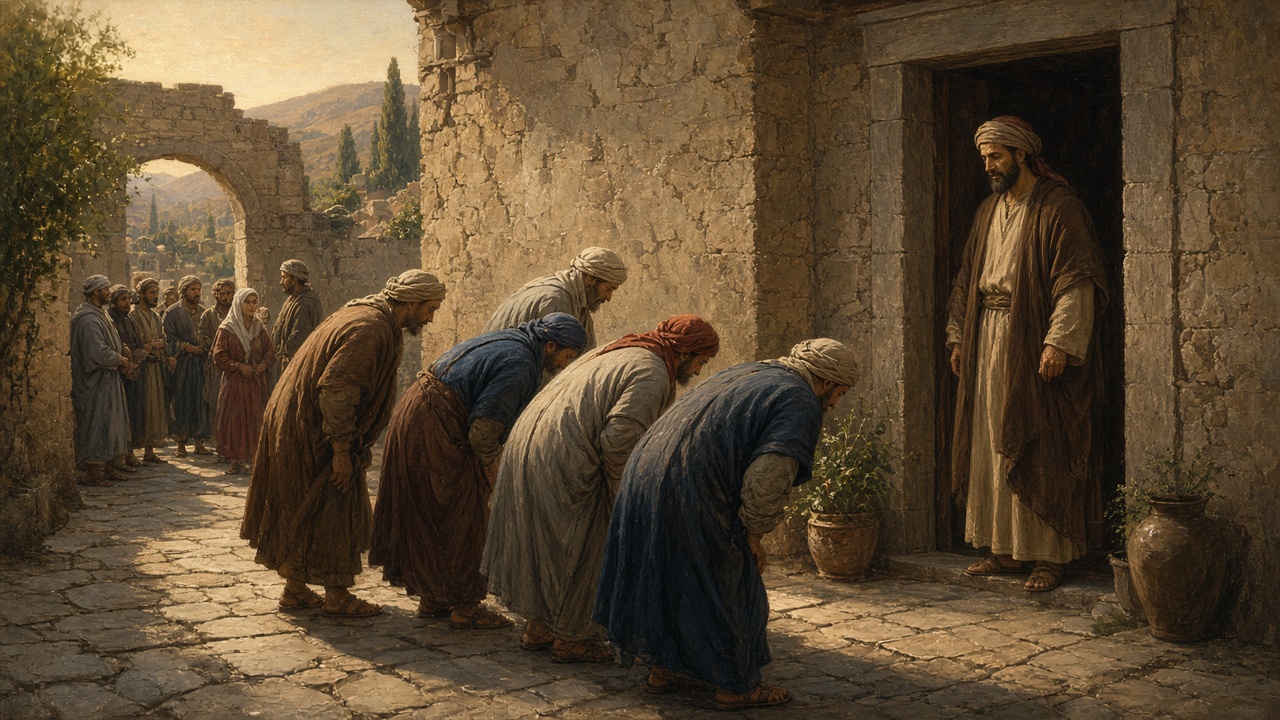
- The chapter urges submission, for the Lord’s sake, to every human institution—to the king as supreme authority and to governors sent to punish wrong and praise what is right. It tells servants to respect even unreasonable masters, and it holds up Christ’s suffering, without sin, deceit, threats, or retaliation, as the pattern for enduring unjust pain.Sources: the Bible text itself
Notes written with AI assistance from open sources (Theographic Bible Metadata, CC BY-SA 4.0; Easton’s Bible Dictionary, public domain) and reviewed before publishing.
Places in this chapter
- Zion · Today: Jerusalem · 31.777, 35.234 · verse 6
Only places identified with high confidence are shown (90% or more according to the scholarly sources compiled by OpenBible). Period map: DARE (Digital Atlas of the Roman Empire), CC BY 4.0; modern map: © OpenStreetMap contributors; places: OpenBible.info (CC BY 4.0).
Credits and license for this translation
KAKAƗYARI NIUKIEYA XAPAYARI WIXARIKAKƗ
The Holy Bible in the in Huichol language of Mexico, 2020 edition
La Santa Biblia en lengua huichol de México, edición 2020
copyright © 2020 Wycliffe Bible Translators, Inc.
Language: Huichol
Translation by: Wycliffe Bible Translators, Inc.
Huichol [hch], Mexico
Copyright Information
© 1988-2020, Wycliffe Bible Translators, Inc.
This translation text is made available to you under the
terms of the Creative Commons License: Attribution-Noncommercial-No Derivative Works.
( http://creativecommons.org/licenses/by-nc-nd/3.0/ )
In addition, you have permission to port the text to different file formats, as long as you
do not change any of the text or punctuation of the Bible.
You may share, copy, distribute, transmit, and extract portions
or quotations from this work, provided that you include the above copyright
information:
You must give Attribution to the work.
You do not sell this work for a profit.
You do not make any derivative works that change any of the actual words or punctuation of the Scriptures.
Permissions beyond the scope of this license may be
available if you contact
us with your request.
The Holy Bible
in Huichol
© 1988-2020, Wycliffe Bible Translators, Inc.
This translation is made available to you under the terms of the
Creative Commons Attribution-Noncommercial-No Derivatives license 4.0.
You may share and redistribute this Bible translation or extracts from it in any format, provided that:
You include the above copyright and source information.
You do not sell this work for a profit.
You do not change any of the words or punctuation of the Scriptures.
Pictures included with Scriptures and other documents on this site are licensed just for use with those Scriptures and documents.
For other uses, please contact the respective copyright owners.
2025-09-03
Source: http://ebible.org/hch/ · eBible.org