1 Kings 19
KAKAƗYARI NIUKIEYA XAPAYARI WIXARIKAKƗ · Tap a verse to see its cross-references.
'Eriyaxi kemɨtiuyuta'unaxɨ
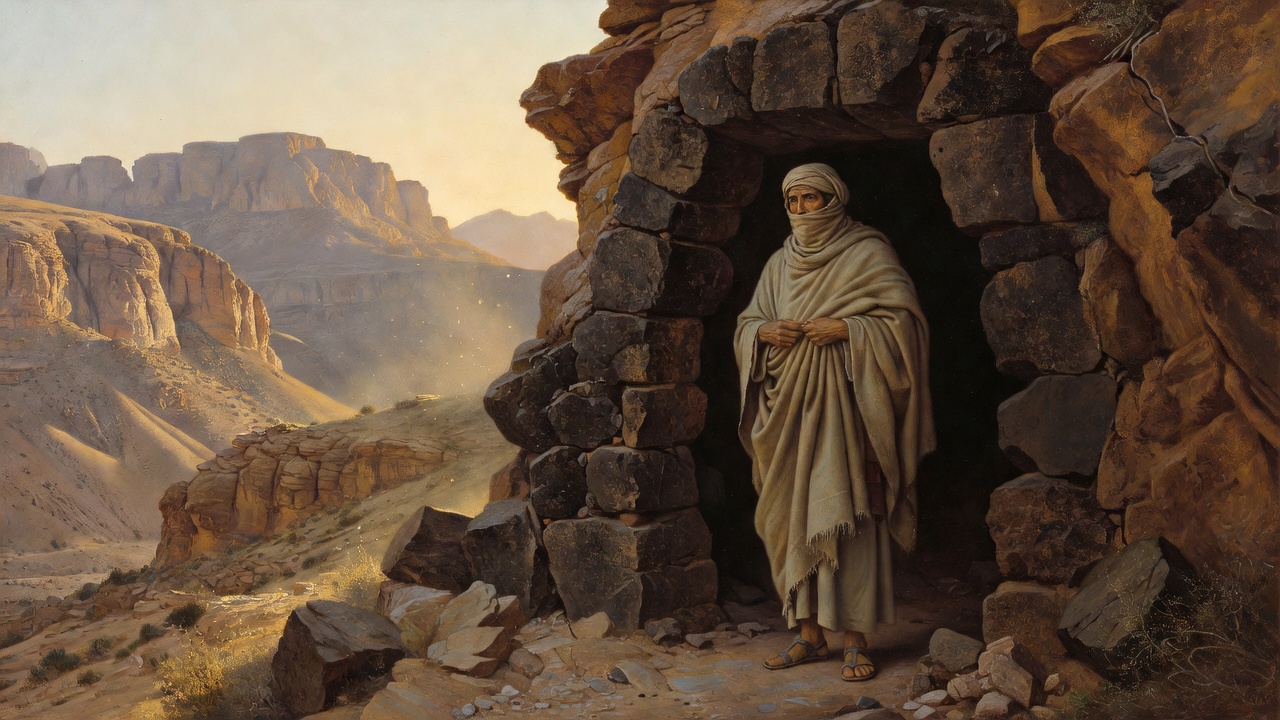
1Hikɨ 'Akawi 'uka Ketsaweri katiniutaxatɨani naime 'Eriyaxi kemɨreyuri, kemɨtiwarukwikai yunaime Wahari niukametemama 'ixiparakɨ. 2Hikɨ Ketsaweri xeime kanenɨ'ani 'Eriyaxi hetsɨa, mɨpaɨ mɨtitahɨawekɨ: «Kakaɨyarixi mekenetsi'u'uximatɨani mekanetsinenimayatɨ xɨka 'uxa'a 'epauka 'akuxi nekametsimieweni kepemɨtiwarukwi 'iya».
3'Ana 'Eriyaxi kaniutimani kaniuyuta'una mɨkamierienikɨ. Kepauka Weritsewa meta'a Kura kwieyaritsie, mana yuparewiwame kaniuku'eirieni, 4hikɨ kaneyani makumawetsie xeitukari kaniumiekaitɨni. Kepauka 'umietɨ 'ɨtsi hetɨa kaninuani, mɨkɨ 'etɨriyayatɨa kaniutayerɨni 'ari heumɨmɨtɨ, mana mɨpaɨ kaniutayɨni: «Yawé 'aku, 'ari nepu'uxeri. Netukari keneneunawairi, ne'ukiyarima ke'aixɨa memɨte'u'iyarikai mɨpaɨkuta nepɨkatiuka'iyari». 5Hikɨ 'ɨtsitɨa kaniukahuni 'ana kaneukuni.
Yapaukata, niuki tuayame kanimayɨani mɨpaɨ katinitahɨawe: «Kenanukukexi, ketineukwa'i». 6'Eriyaxi 'anukukeka kananieretɨyani, hikɨ manutimu'utsie paa kaniuxeiya xikeke kwaxiyariekame tɨtsie meta haa xeitekɨxiyari. Katiniukwani meta kananuhareni, hikɨ tawarita kaniukahuni.
7Hutarieka niuki tuayame Yawé hetsɨa mieme kaninuani, 'ikuyuitɨwatɨ, mɨpaɨ katinitahɨawe: «Kenanukukexi, ketineukwa'i, tewa pekaniyemieni». 8'Eriyaxi kananukukeni, katiniukwani meta kananuhareni. Mɨkɨ 'ikwaikɨ 'utatɨrɨkaxɨaka, huta tewiyari tukari huta tewiyari tɨkari kaniumiekaitɨni 'anake kaneta'ani Huré paitɨ, hɨri Kakaɨyari hetsɨa mɨmieme hetsie paitɨ. 9Mana 'ana tɨkarikɨ terɨta kanayekateitɨni.
Yawé 'Eriyaxi hɨxie kemɨtiyuhekɨataxɨ
'Arikeke, Yawé kanitahɨawe, mɨpaɨ katinita'iwawiya:
—¿'Eriyaxi, kepetiyuriene 'ena?
10Mɨpaɨ katinitahɨawe 'Eriyaxi:
—Ne nepɨmatsinaki'erie waɨkawa yemekɨ, Yawé Kakaɨyari Naimekɨmɨtɨrɨkaɨye pemɨhɨkɨ. 'Ixaheritsixi mekaniku'eirieni 'atɨratu, mawari taiyame 'ahetsɨa mieme mekaniuti'una, meta 'ahetsɨa miemete 'aniukamete mekaniwarukwini 'ixiparakɨ. Ne xeikɨari nekaniuyeikani nexaɨtame, hikɨta ne mekaneniwautɨweni menetsimienike.
11Yawé mɨpaɨ katinitahɨawe:
—Keniwayeye'a kenemie yemuritsie mana nehɨxie keneweni, 'ari kanaye'aximeni mana nemuyeyanikɨ.
Hikɨ Yawé nɨ'arieya hepaɨ 'anuyekaitɨ meri kananuyeyani 'eka kwi tɨrɨkaɨyetɨ, naitɨ hɨri kaniutayuanekaitɨni, 'ai kaneukutarikekaitɨni, peru Yawé 'ekatsie pɨka'uyeikakai 'akuxi. Hikɨ 'eka 'anuyeyaku kwie kaniutayuani, peru mɨkɨtsieta Yawé pɨka'uyeikakai. 12Kwie 'utayuaku mɨkɨ 'utɨmata kananuyeyani tai, peru yaxeikɨata mɨkɨ tai hetsie Yawé pɨkayewekai. Tawarita mɨkɨ tai 'utɨma kaninuani 'etsiwa yuariya kayuwatɨ 'umakakaku. 13Kepauka 'Eriyaxi mi'eni, kaneuyukunani yuhɨxie yumatakɨ, wayeyaka terɨ hɨxie kaniutakeni.
Hikɨ niuki kaniu'enieni mɨpaɨ rehɨaweme:
—¿Kepetiyuriene 'Eriyaxi 'ena paitɨ?
14Mɨpaɨ katinita'eiya 'Eriyaxi:
—Ne nepɨmatsinaki'erie waɨkawa yemekɨ, Yawé Kakaɨyari Naimekɨmɨtɨrɨkaɨye pemɨhɨkɨ. 'Ixaheritsixi mekaniuku'eirieni 'atɨratu, mawari taiyame 'ahetsɨa mieme mekaniuti'una, meta 'ahetsɨa miemete 'aniukamete mekaniwarukwini 'ixiparakɨ. Ne xeikɨari nekaniuyeikani nexaɨtame, hikɨta ne mekaneniwautɨweni menetsimienike.
15Yawé mɨpaɨ katinitahɨawe:
—Kenakunua 'a'utɨma 'ahuyeta kepemɨrane, kenemie Ramatsiku makumawetsie. Kepauka pemeta'ani mana, Katsaheri pepanayexeiya ti'aitame mayanikɨ Tsiriya kwieyaritsie, 16meta Kehú Nimitsi nu'aya, ti'aitame mayanikɨ 'Ixaheri kwieyaritsie, metatsiere 'Eritseu Tsapati nu'aya, 'Aweri-Mekura kiekame kenanayexeiya 'a'utɨa 'ahetsiemieme neniukame mayanikɨ. 17Kehú kaniwakwimɨkɨ kemɨ'ane muyuta'una Katsaheri hetsɨa, 'Eritseu kaniwakwimɨkɨ kemɨ'ane muyuta'una Kehú hetsɨa. 18Matsi, ne nepɨwa'ɨwiyani 'atahuta miriyari 'ixaheritsixi memɨkakatunuma'uiwawe Wahari hɨxie meta memɨka'i'itsiwawe.
'Eritseu kemɨranayexeiyarie
19'Eriyaxi mana kaniyeyani, hikɨ 'Eritseu kaniukaxeiya Tsapati nu'aya, kanikwietsananekaitɨni. Mana menikwietsanatɨwekaitɨni tamamata heimana huta paritsiyari tuurutsixi, mɨkɨ wa'utɨa miemete pahanakai. 'Eriyaxi 'auriena 'uyeyaka yumata 'amɨyewa kaneitawiwirieni hetsiena. 20Hikɨ 'Eritseu waruku'eirieka yutuurutsixi 'Eriyaxi 'utɨma kaniutanautsa. Mɨpaɨ katinitahɨawe:
—Keneneupitɨa 'ekɨ, nepaapa nemaama nemɨwatateutɨanikɨ 'itsiyakɨ, hikɨ 'anake nepɨmatsi'anuweiya.
'Eriyaxi mɨpaɨ katinita'eiya:
—Kenemiekakuta. Ne nepɨkamatsita'imaiya.
21'Eritseu mana kaniku'eirieni peru kaninuanita. Yutuurutsixi memuyuhuta kwietsanamete kaniwarukwini mawari kaniwarayeitɨani. Yuku kɨye kwietsaname 'utataiyaka, wai kaniutiwarɨka hikɨ teɨteri kaniwarumini, mɨkɨta mekateniukwani. Hikɨ 'ana kaneyani 'Eriyaxi mukuweiyanenikɨ 'iparewiwameya kanayani.
Did you know?
Elijah at Mount Horeb and the Call of Elisha
- Mount Horeb, also identified in biblical tradition with Mount Sinai, was the mountain range where Israel had received the covenant and the law. Elijah's forty-day journey south to Horeb places his encounter with God in the exact setting of Moses' earlier revelations.Sources: the Bible text itself · Horeb
- When God commands Elijah to anoint Hazael as king of Syria and Jehu as king of Israel, the narrative connects prophetic authority to geopolitical succession in both nations, while assuring Elijah that seven thousand faithful Israelites remained.Sources: the Bible text itself · Hazael · Jehu
- Casting a cloak over Elisha's shoulders while he plowed with twelve yoke of oxen at Abel-meholah was a symbolic act that marked Elisha as Elijah's disciple, adoptive heir, and prophetic successor.Sources: the Bible text itself · Elisha · Abel-meholah
Notes written with AI assistance from open sources (Theographic Bible Metadata, CC BY-SA 4.0; Easton’s Bible Dictionary, public domain) and reviewed before publishing.
Places in this chapter
- Mount Horeb · Today: Jebel Musa · 28.540, 33.973 · verse 8
- Damascus · 33.511, 36.306 · verse 15
- Syria · Today: Aram · 33.511, 36.306 · verse 15
Only places identified with high confidence are shown (90% or more according to the scholarly sources compiled by OpenBible). Period map: DARE (Digital Atlas of the Roman Empire), CC BY 4.0; modern map: © OpenStreetMap contributors; places: OpenBible.info (CC BY 4.0).
Credits and license for this translation
KAKAƗYARI NIUKIEYA XAPAYARI WIXARIKAKƗ
The Holy Bible in the in Huichol language of Mexico, 2020 edition
La Santa Biblia en lengua huichol de México, edición 2020
copyright © 2020 Wycliffe Bible Translators, Inc.
Language: Huichol
Translation by: Wycliffe Bible Translators, Inc.
Huichol [hch], Mexico
Copyright Information
© 1988-2020, Wycliffe Bible Translators, Inc.
This translation text is made available to you under the
terms of the Creative Commons License: Attribution-Noncommercial-No Derivative Works.
( http://creativecommons.org/licenses/by-nc-nd/3.0/ )
In addition, you have permission to port the text to different file formats, as long as you
do not change any of the text or punctuation of the Bible.
You may share, copy, distribute, transmit, and extract portions
or quotations from this work, provided that you include the above copyright
information:
You must give Attribution to the work.
You do not sell this work for a profit.
You do not make any derivative works that change any of the actual words or punctuation of the Scriptures.
Permissions beyond the scope of this license may be
available if you contact
us with your request.
The Holy Bible
in Huichol
© 1988-2020, Wycliffe Bible Translators, Inc.
This translation is made available to you under the terms of the
Creative Commons Attribution-Noncommercial-No Derivatives license 4.0.
You may share and redistribute this Bible translation or extracts from it in any format, provided that:
You include the above copyright and source information.
You do not sell this work for a profit.
You do not change any of the words or punctuation of the Scriptures.
Pictures included with Scriptures and other documents on this site are licensed just for use with those Scriptures and documents.
For other uses, please contact the respective copyright owners.
2025-09-03
Source: http://ebible.org/hch/ · eBible.org