1 Chronicles 23
KAKAƗYARI NIUKIEYA XAPAYARI WIXARIKAKƗ · Tap a verse to see its cross-references.
Rewitsixi
1Merikɨte Rawiri waɨkawa 'ukiratsitɨtɨri yuniwe Tsarumuni kananukakeni ti'aitame mayanikɨ 'Ixaheri kwieyaritsie. 2Yunaime 'ixaheritsixi wa'ukiyarima kaniwarukuxeɨrieni meta mawari wewiwamete metatsiere rewitsixi. 3Hikɨ rewitsixi mekaniuti'inɨatsieni, xeitewiyari heimana tamamata wiyari memɨhɨtɨkatei, meputipaɨmerixɨ xeitewiyari heimana tamamata heimana 'atahaika miriyari (38.000) 'ukitsi. 4Mɨkɨ, xeitewiyari heimana nauka miriyari (24.000) meyupaɨmetɨ Yawé tukieya manuwe mepɨhɨritɨariekai 'uximayatsika, meta 'ataxewi miriyari meyupaɨmetɨ ti'aitame 'aurie meputi'ukai hipatɨta mepɨ'itsɨkatetɨkai, 5nauka miriyari kitenie tehɨwemete mepɨhɨkɨtɨkai, hipatɨta nauka miriyari Yawé hetsiemieme kwikamete mepɨhɨkɨtɨkai kanaritekɨ, Rawiri miti'aitakai mɨpaɨ 'ayumieme.
6Hikɨ Rawiri rewitsixi me'ayehaikame kaniwarayeitɨani Rewi niwemama kememɨyupaɨmekai, mekanihɨkɨtɨni: Keritsuni, Kuhati meta Merari.
Keritsunitsixi
7Keritsuni niwemama: Rarani meta Tsimi.
8Rarani niwemama mepɨyuhaikakai: Kehieri puwamatsikatɨkai, Tsetani meta Kuheri.
9Mɨkɨ mepakɨ Rarani nuiwarimama wa'ukiyarima. Tsimi yuhaikame pɨwarayexei: Tserumiti, Katsiheri meta Karani.
10Tawari Tsimi niwemama yunaukatɨ mepakɨ: Yakati, Tsitsa, Kehutsi meta Weriya. Mɨkɨ Tsimi niwemama mepakɨ. 11Yakati wamatsika pɨhɨkɨtɨkai, Tsitsa hutarieka mieme. 'Ikɨ Kehutsi meta Weriya matɨa waɨkawa tɨɨri memɨkawarayexeikɨ, xeinuiwari memɨhɨkɨtɨni hepaɨ xeikɨa mepɨte'inɨatsiekai, yunaitɨ xei'uximayatsikayari mepupitɨarie.
Kuhatitsixi
12Kuhati niwemama mepɨyunaukakai: 'Amirani, 'Itsaxi, Hewuruni meta 'Utsiheri.
13'Amirani niwemama mepakɨ, 'Aruni meta Muitsexi. 'Aruni meta nuiwarimama mepanayexeiyarie mawari memɨwewiekakɨ yemekɨ mɨpatsietɨka, 'ɨkwa memukutaiyanikɨ, Yawé hetsiemieme memɨte'uximayakakɨ meta Kakaɨyari memɨwawiriekakɨ 'aixɨa muwayuriekakɨ teɨteri. 14Muitsexi, tewi Kakaɨyari menayexei, meta niwemama mekaniu'inɨatsieni Rewi nuiwarimama wahamatɨa.
15Muitsexi niwemama mepakɨ, Keritsuni meta 'Eriyetsexi.
16Keritsuni nu'aya matɨarieya patɨa, Tsewuheri.
17'Eriyetsexi xeime xeikɨa payexei yuniwe, Xekawiyaxi patɨa, mɨkɨ hɨrixɨa waɨkawa yuniwema puwarayexei.
18'Itsaxi nu'aya mexɨakame patɨa Tserumiti.
19Hewuruni nu'aya mexɨakame patɨa Keriyaxi, hutarieka mieme 'Amariyaxi, hairieka mieme Kahatsieri, naurieka mieme Kekamani.
20'Utsiheri nu'aya mexɨakame patɨa Mikahiyaxi, hutarieka mieme 'Itsiyaxi pɨtitewakai.
Meraritsixi
21Merari niwemama mepɨhɨkɨtɨkai Makiri meta Mutsihí.
Makiri niwemama mepɨhɨkɨtɨkai 'Eriyatsaxi meta Kihitsi.
22'Eriyatsaxi tɨɨri 'ukitsi kawarayexeiyaka kaniumɨni: 'ukari xeikɨa pɨwarayexei. Mɨkɨ yatewa yu'iwama mepɨwarutiwitɨ Kihitsi niwemama.
23Mutsihí yuniwema yuhaikame puwarayexei: Makiri, 'Eraxi meta Keremuti.
24'Ikɨ Rewi nuiwarimama mepɨhɨkɨ, niwemama yuxexuitɨ kememɨteyutamɨiriyaxɨ. 'Ana mepaka'utsie kemɨtetewakai wa'ukiyarima. Mɨkɨ mepɨte'uximayakai Yawé tukieya manuwe 'amemɨyumate xeikɨa, xeitewiyari heima meutiyune wiyari xeikɨa mepexeiyatɨkatei.
25Rawiri mɨpaɨ kaniutayɨni: «Kepauka paitɨtɨ Yawé, 'ixaheritsixi takakaɨyari, yuteɨterima mɨtatsi'anukayatsaxɨ meta yukie mayeitɨa yuheyemekɨ Kerutsareme kiekariyatsie, 26pɨkaheuyewetseri rewitsixi tuki memɨkutɨtɨwenikɨ meta piinitɨarika muwa mawaritsie timieme».
27'Imatɨrieka Rawiri kemɨtiu'aitaxɨ, yunaitɨ rewitsixi xeitewiyari wiyari memɨhɨtɨka mekanaka'utsieni memɨteta'uximayatakɨ, 28'Aruni nuiwarimama memɨwaparewienikɨ, Yawé tukieya manuwe memɨteta'uximayatakɨ. Takwa mepɨhɨritɨariekai meta kiita 'etsimuyeyeyeuta yaxeikɨa meta mepɨhɨritɨariekai piinite mawaritsie timieme memɨteti'itiwanikɨ, meta hipame 'uximayatsika tuki hetsiemieme. 29Yaxeikɨata mepɨhɨritɨariekai paa Kakaɨyari hɨxie mieme, meta tɨriku mɨtɨxiyari 'aixɨa mɨ'ane hatsite mawariyari hetsiemieme, harina papayari mɨkakuxanariyarietɨka meta mawari mɨtixarikietɨka mɨti'etsarietɨka metatsiere te'inɨnɨatamete naime hepaɨtsita mepɨhɨkɨtɨkai. 30Mepɨhɨritɨariekai ximeri meta taikai memɨ'axenikɨ pamɨpariyutsi memipitɨakakɨ meta meminɨawanikɨ Yawé. 31Metatsiere mepɨhɨritɨariekai mawari taiyariyari memutiwewiwanikɨ Yawé hetsiemieme mutiwewiwakai xawatikɨ meta metseri 'etsimɨpenitsie meta hipatɨ 'ixɨarari maye'axenitsie. Mɨpaɨ yamekateni'uximayakaitɨni Yawé hetsiemieme yayupapaɨmetɨ, kememɨte'aitɨariekai. 32Mɨpaɨ mepɨtehɨritɨariekai 'ixuriki tukiyari memɨ'ɨwiyanikɨ meta tuki muyepatsie. Kepauka memɨte'uximayakai Yawé tukieyata, wa'iwama 'Aruni nuiwarimama yametewarahɨawekaku mepɨte'uximayakai.
Did you know?
David Organizes the Levites
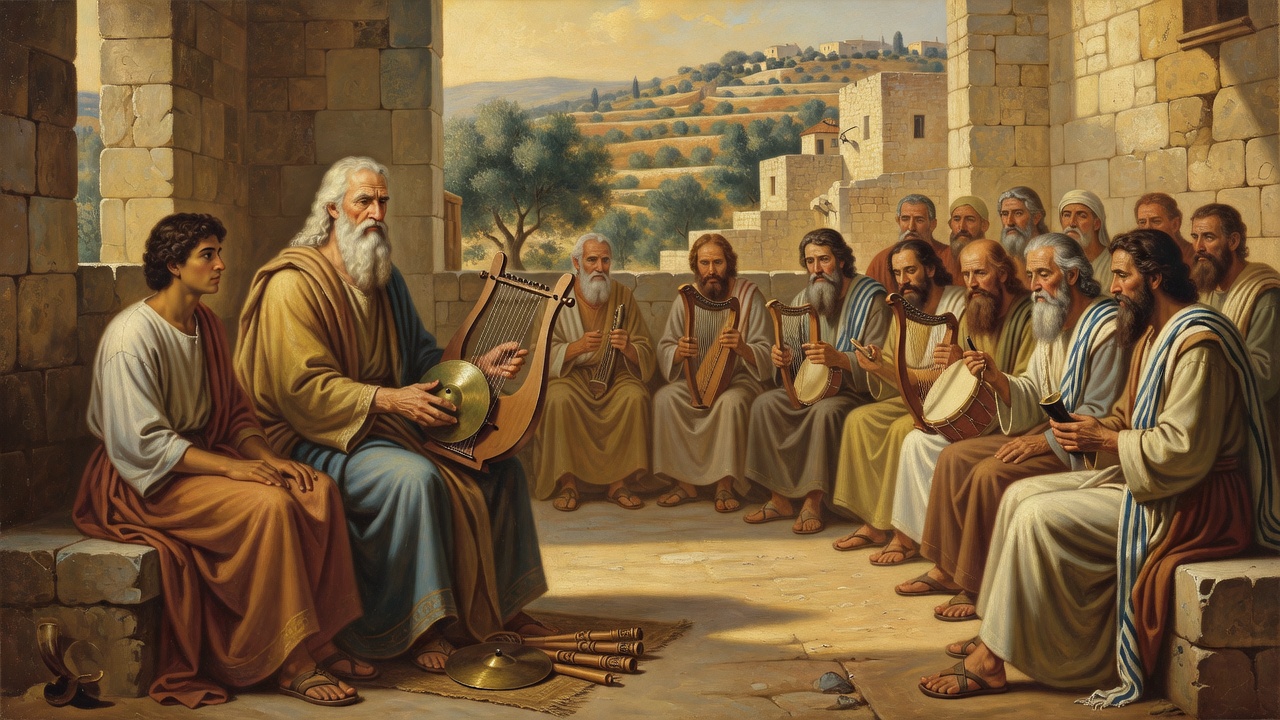
- A census counted 38,000 Levites aged thirty and above in Israel. David organized them into distinct roles: 24,000 to oversee the sanctuary's work, 6,000 as officials and judges, 4,000 as gatekeepers, and 4,000 as musicians praising the LORD with specially made instruments.Sources: the Bible text itself
- Because God had granted rest and chosen Jerusalem as a permanent dwelling place, the Levites no longer needed to transport the tabernacle and its furnishings. David therefore updated their duties to assisting Aaron's priestly line with temple offerings, maintenance, and daily morning and evening praise, lowering the entry age to twenty.Sources: the Bible text itself · Jerusalem
- Although both Aaron and Moses were sons of Amram from the lineage of Kohath, their descendants held different roles. Aaron and his descendants were set apart perpetually for the priesthood to burn incense and bless in the LORD's name, while the sons of Moses were counted among the general Levite clans.Sources: the Bible text itself · Aaron · Moses
Notes written with AI assistance from open sources (Theographic Bible Metadata, CC BY-SA 4.0; Easton’s Bible Dictionary, public domain) and reviewed before publishing.
Places in this chapter
- Jerusalem · 31.777, 35.234 · verse 25
Only places identified with high confidence are shown (90% or more according to the scholarly sources compiled by OpenBible). Period map: DARE (Digital Atlas of the Roman Empire), CC BY 4.0; modern map: © OpenStreetMap contributors; places: OpenBible.info (CC BY 4.0).
Credits and license for this translation
KAKAƗYARI NIUKIEYA XAPAYARI WIXARIKAKƗ
The Holy Bible in the in Huichol language of Mexico, 2020 edition
La Santa Biblia en lengua huichol de México, edición 2020
copyright © 2020 Wycliffe Bible Translators, Inc.
Language: Huichol
Translation by: Wycliffe Bible Translators, Inc.
Huichol [hch], Mexico
Copyright Information
© 1988-2020, Wycliffe Bible Translators, Inc.
This translation text is made available to you under the
terms of the Creative Commons License: Attribution-Noncommercial-No Derivative Works.
( http://creativecommons.org/licenses/by-nc-nd/3.0/ )
In addition, you have permission to port the text to different file formats, as long as you
do not change any of the text or punctuation of the Bible.
You may share, copy, distribute, transmit, and extract portions
or quotations from this work, provided that you include the above copyright
information:
You must give Attribution to the work.
You do not sell this work for a profit.
You do not make any derivative works that change any of the actual words or punctuation of the Scriptures.
Permissions beyond the scope of this license may be
available if you contact
us with your request.
The Holy Bible
in Huichol
© 1988-2020, Wycliffe Bible Translators, Inc.
This translation is made available to you under the terms of the
Creative Commons Attribution-Noncommercial-No Derivatives license 4.0.
You may share and redistribute this Bible translation or extracts from it in any format, provided that:
You include the above copyright and source information.
You do not sell this work for a profit.
You do not change any of the words or punctuation of the Scriptures.
Pictures included with Scriptures and other documents on this site are licensed just for use with those Scriptures and documents.
For other uses, please contact the respective copyright owners.
2025-09-03
Source: http://ebible.org/hch/ · eBible.org