1 Chronicles 17
KAKAƗYARI NIUKIEYA XAPAYARI WIXARIKAKƗ · Tap a verse to see its cross-references.
Kakaɨyari Rawiri kemɨtiutahɨawixɨ
1Merikɨtsɨ Rawiri yuparatsiyuta 'ayekaitɨri Natani kakaɨyari niukameya mɨpaɨ katiniutahɨawe:
―Neuxei, 'aixɨa pɨka'ane ne kariuxa paratsiyuyarita nemayekani, Yawé tɨratuya kakuniyari 'ixuriki tukiyarita hayekaikaku.
2Natani mɨpaɨ katinita'eiya:
―'Aixɨa pɨ'ane, yaketineuyuri 'a'iyaritsie kepemɨti'akuhɨawe, Kakaɨyari 'ahamatɨa kaniuyeikani.
3Peru mɨkɨ tɨkariyaritsie Kakaɨyari niukieya Natani hetsie kaninuani mɨpaɨ katinitahɨawe:
4«Kenemie Rawiri neti'uximayatsiriwame mɨpaɨ ketinetaxatɨa kename Yawé ne mɨpaɨ nehaine: “'Ekɨ pepɨkahɨkɨtɨni kii pemɨtawewieni muwa ne nemayekanikɨ. 5Meripaitɨ 'ixaheritsixi nemɨwarayewitɨtsietɨtɨ meta hikɨ 'akuxi kiita nepɨkahayeyerɨwe, matsi 'ixuriki tukiyarita xeikɨa ne'ayekaitɨ nepukuyeikakai. 6Kepauka 'ixaheritsixi wahamatɨa nemuyeikakai, kepauka 'itsɨkate nemɨwarutanɨ'a, neteɨterima memɨwa'ɨwiyanikɨ, ne mɨkɨ nepɨkawarutati kariuxa kiyari newa'aitɨatɨ”.
7»'Ayumieme, Rawiri neti'uximayatsiriwame mɨpaɨ ketinetahɨawi, Yawé Naimekɨmɨtɨrɨkaɨye mɨpaɨ paine: “Ne muxatsi wakuraruta nepɨmatsi'aye'ini, neteɨterima 'ixaheritsixi pɨta pemɨtiwata'aitɨanikɨ. 8Ne 'ahamatɨa nepuyeikakai tsepa hakewa pemuyeikakai, meyunaime nepɨwaruka'unaxɨ kemɨ'ane memɨmatsi'aye'uniekai. Hikɨri waɨkawa pemariweme nekamanayeitɨamɨkɨ, 'ena kwiepa hipatɨ memɨmamariwawe wahepaɨ. 9Yaxeikɨatatsiere kwie nekanikuha'aritɨamɨkɨ neteɨterima 'ixaheritsixi wahetsiemieme, mana nemɨwaka'eni hepaɨ nepɨwayurieni mana mepɨtiteni mekamariutsietɨ. 'Axamemɨte'u'iyari mepɨkaxe'uximatɨaniri kememɨxeyuriekai tsutɨapai, 10kepauka 'itsɨkate nemɨwaranuka'uitɨa neteɨterima wahetsie 'ixaheritsixi. Meta mɨpaɨ nekamatinahɨaweni, ne yunaime memɨmatsi'aye'unie nekaniwaka'unamɨkɨ, metatsiere ne, Yawé, nekamanipitɨamɨkɨ 'anuiwari pehexeiyatɨ pemayanikɨ. 11Kepauka pemɨkumawere 'atewarima memakuhe pemɨyemie, ne xeime 'aniwetɨme nekananukakemɨkɨ 'ahetsiemieme, mɨkɨta nepiparewieni heitserie mɨtita'aitakɨ. 12Mɨkɨ katiniyuriemɨkɨ kii mɨtawewieni nehetsiemieme, neta nekaniparewimɨkɨ yuheyemekɨ mɨtita'aitakɨ. 13Ne nepu'ukiyarieyatɨni, mɨkɨta pɨneniwetɨni. Hatsuaku ne'inaki'erietɨ nepɨka'ihayewa, meripaitɨ 'ayeta mɨtiuta'aitaxɨ kenemɨtihayewaxɨ. 14Matsi, mɨkɨ yuheyemekɨ nekie nepihɨrita meta nemɨra'aitatsie meta hikɨ yuheyemekɨ pɨti'aitani”».
15Natani 'ikɨ tinaime Rawiri katiniutaxatɨani, kemɨtiuhekɨatsitɨiyarie yemekɨ.
Rawiri nenewierieya
16Hikɨ ti'aitame Rawiri 'ixuriki tukiyarita kaninuani tɨratu kakuniyari muyeka, hikɨ Yawé hɨxie mɨpaɨ kaniutayɨni:
«Yawé pemɨkakaɨyari, ne tixaɨtɨ nepɨkatihɨkɨ meta netɨɨriyama, titayari nemariweme penerayeitɨwa. 17Yawé nekakaɨyari, ¿ketitayari waɨkawa matsi penetiyexatɨa penetiyetuiriekatɨtɨri, meta kename yuheyemekɨ nenuiwarima 'aixɨa pewayurieka? wa'atɨtɨ ne tewi mɨmariwe nepɨtihɨkɨ pepɨnetsiyuriene, Yawé Kakaɨyari 'aku. 18¿Ketsɨkuta tawari ne ne'utayɨni ke'aixɨa pemɨnetixeiyakɨ, 'ekɨtsɨ pekanenimateni ne ti'a'uximayatsiriwame? 19Yawé, 'ekɨ 'ikɨ naime mɨtimamariwawe pekatiniyurieneni, ne ti'a'uximayatsiriwame pemɨnetsinaki'eriekɨ, mɨpaɨ mɨmatinakekɨ, meta matsiɨkɨme pekatinayeitɨani mɨkɨ. 20Yawé, tame yatepɨtehetima 'ahepaɨ tiuka'iyaritɨ pumawe, meta tawarita xewitɨ 'ahepaɨ Kakaɨyari pumawe. 21Pumawe 'ateɨterima 'Ixaheri nuiwariyari wahepaɨ me'anetɨ. Mɨkɨ nuiwari xeikɨa mepɨhɨkɨ pemɨwaranayexei 'ena kwiepa, 'ateɨterima pemɨwarayeitɨanikɨ, meta kepemɨtimariwe pemɨ'ahekɨatakɨ wahetsiemieme. Kepauka 'Ekipitu pemɨwarayewitɨ 'ateɨrima, huyeta mamariwaweme pepɨtiuyuri meta hipame nuiwarite pepɨwarayewei meta wakakaɨyarixi. 22'Ixaheritsixi 'ahetsiemieme pepɨwarayeitɨa 'ateɨterima memakɨnekɨ yuheyemekɨ, 'ekɨta Yawé, wakakaɨyari pemɨhɨkɨtɨnikɨ.
23»Kamɨtsɨ Yawé, kepemɨtitahɨawixi mati'uximayatsiriwame meta nuiwarimama wahetsiemieme, mɨpaɨ ketinaye'atɨa 'aniuki, 24kepemɨtimariwe pema'eriwanikɨ 'aixɨa pemɨrahɨawarɨwanikɨ yuheyemekɨ, meta yunaitɨ mɨpaɨ memutiyuanenikɨ: “Yawé Naimekɨmɨtɨrɨkaɨye 'ixaheritsixi wakakaɨyari kanihɨkɨtɨni”. Hikɨ 'ana Rawiri ti'a'uximayatsiriwame nuiwarimama mematsi'ayexeiyatɨ mekaniu'uwakuni.
25»'Ekɨ nekakaɨyari, ne ti'a'uximayatsiriwame pekanetiniutaxatɨani kename nenuiwarima te'aitamete pewarayeitɨani, 'ayumieme ne ti'a'uximayatsiriwame nepɨyuwaɨri 'ipaɨ nemɨmatitahɨawekɨ. 26Yawé, Kakaɨyari 'ekɨ pepɨhɨkɨ, 'ekɨ pepɨtitaxatɨa ke'aixɨa pemiyurieni ti'a'uximayatsiriwame. 27'Aixɨa pepɨtiwaruxei ti'a'uximayatsiriwame nuiwarimama 'aixɨa pemɨwayurienikɨ, pewa'uwiyakaku yuheyemekɨ 'amemu'uwanikɨ. 'Ekɨ Yawé 'aixɨa pepɨwaruyuri, 'ayumieme 'aixɨa me'itɨarietɨ mepɨyuhayewa yuheyemekɨ».
Did you know?
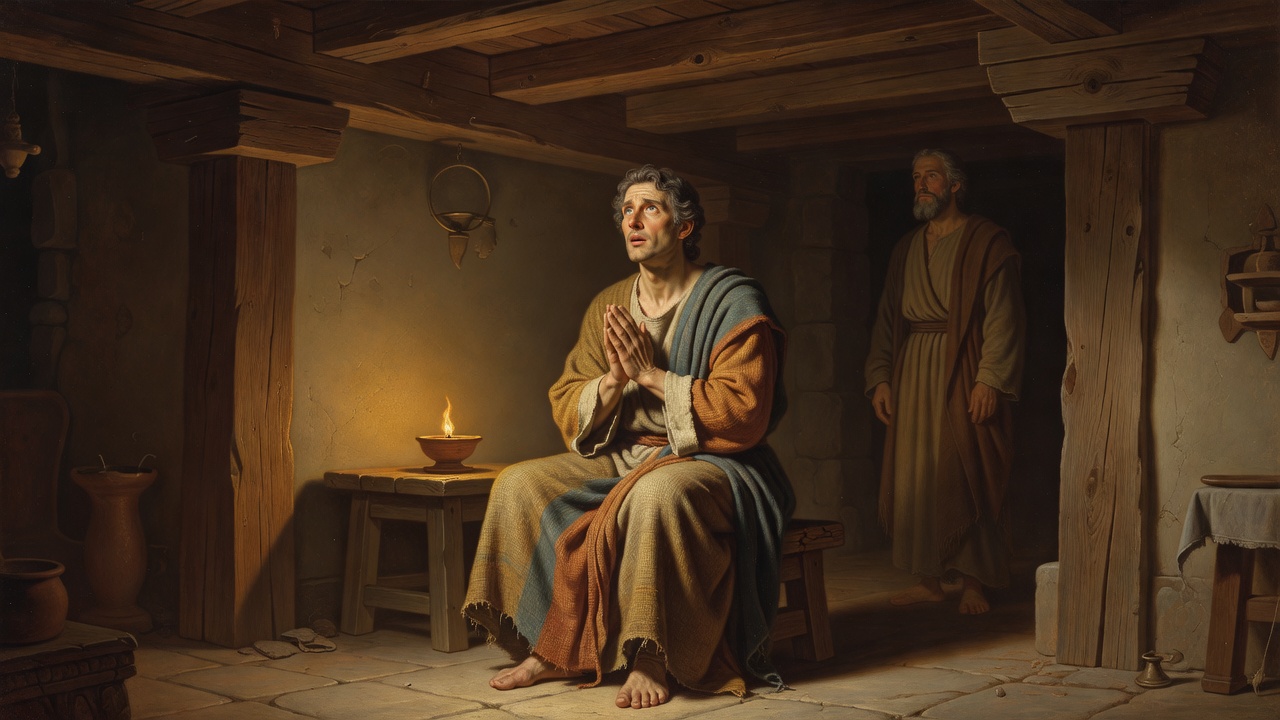
God's Promise to David
- When David considered that he lived in a palace of cedar while the ark of the covenant remained under a tent, he intended to build a temple for God. Instead, God responded by promising that rather than David building a house for Him, God would establish an enduring royal house and dynasty for David.Sources: the Bible text itself
- Nathan was an influential prophet during the reigns of David and Solomon, appearing here to deliver God's covenant concerning the future dynasty and temple. Biblical records note that Nathan also participated in Solomon's coronation and authored historical accounts of both monarchs' reigns.Sources: Nathan · the Bible text itself
- In the divine message delivered by Nathan, the Lord recalled taking David from following sheep in the pastures to lead Israel. This humble background as a young shepherd on the uplands of Judah highlighted the dramatic elevation of his family to royal rule.Sources: David · the Bible text itself
Notes written with AI assistance from open sources (Theographic Bible Metadata, CC BY-SA 4.0; Easton’s Bible Dictionary, public domain) and reviewed before publishing.
Places in this chapter
Only places identified with high confidence are shown (90% or more according to the scholarly sources compiled by OpenBible). Period map: DARE (Digital Atlas of the Roman Empire), CC BY 4.0; modern map: © OpenStreetMap contributors; places: OpenBible.info (CC BY 4.0).
Credits and license for this translation
KAKAƗYARI NIUKIEYA XAPAYARI WIXARIKAKƗ
The Holy Bible in the in Huichol language of Mexico, 2020 edition
La Santa Biblia en lengua huichol de México, edición 2020
copyright © 2020 Wycliffe Bible Translators, Inc.
Language: Huichol
Translation by: Wycliffe Bible Translators, Inc.
Huichol [hch], Mexico
Copyright Information
© 1988-2020, Wycliffe Bible Translators, Inc.
This translation text is made available to you under the
terms of the Creative Commons License: Attribution-Noncommercial-No Derivative Works.
( http://creativecommons.org/licenses/by-nc-nd/3.0/ )
In addition, you have permission to port the text to different file formats, as long as you
do not change any of the text or punctuation of the Bible.
You may share, copy, distribute, transmit, and extract portions
or quotations from this work, provided that you include the above copyright
information:
You must give Attribution to the work.
You do not sell this work for a profit.
You do not make any derivative works that change any of the actual words or punctuation of the Scriptures.
Permissions beyond the scope of this license may be
available if you contact
us with your request.
The Holy Bible
in Huichol
© 1988-2020, Wycliffe Bible Translators, Inc.
This translation is made available to you under the terms of the
Creative Commons Attribution-Noncommercial-No Derivatives license 4.0.
You may share and redistribute this Bible translation or extracts from it in any format, provided that:
You include the above copyright and source information.
You do not sell this work for a profit.
You do not change any of the words or punctuation of the Scriptures.
Pictures included with Scriptures and other documents on this site are licensed just for use with those Scriptures and documents.
For other uses, please contact the respective copyright owners.
2025-09-03
Source: http://ebible.org/hch/ · eBible.org