1 Chronicles 14
KAKAƗYARI NIUKIEYA XAPAYARI WIXARIKAKƗ · Tap a verse to see its cross-references.
Rawiri tɨɨriyamama meta Paratsiyuya
1Ti'aitame Hirami Tiru kiekame, yunɨ'arima Rawiri kanenɨ'arieni mete'utɨkɨme kariuxa kɨyeyari, meta kii wewiwamete metatsiere kɨyekɨ te'uximayatamete paratsiyuya memɨtawewienikɨ. 2Mɨkɨkɨ Rawiri mɨpaɨ katinetimani kename Yawé, yuteɨterima wanaki'erietɨ, 'enukake 'Ixaheri kwieyaritsie mɨti'aitanikɨ, meta mariweme hayeitɨaximekai hakewa mɨre'aita.
3Rawiri hipameta 'ukari kaniwarutiwitɨni Kerutsareme kiekariyaritsie, mɨkɨ wahamatɨa tɨɨri kaniwarayexeiya 'ukitsi 'ukari. 4Mɨpaɨ mepɨtetewakai 'ukitsi mɨwarayexei: Tsamuha, Tsuwawi, Natani, Tsarumuni, 5'Iwikaxi, 'Eritsuha, 'Eripereti, 6Nuka, Nepeki, Kapiha, 7'Eritsama, Weriyara meta 'Eripereti.
Rawiri piritsiteutsixi kemɨtiwara'iwaxɨ
8Hikɨ kepauka memɨte'utamari piritsiteutsixi kename Rawiri hanukakeriekai 'Ixaheri kwieyaritsie ti'aitame mayanikɨ, mekanayekɨne me'itamienike. Peru Rawiri yakatinetimani wahepa kaneyani. 9'Ari piritsiteutsixi Xepahini mayeweritsie hipame wahetsɨa mekanitahaxɨakaitɨniri. 10Hikɨ 'ayumieme Rawiri Kakaɨyari mɨpaɨ katiniuta'iwawiya:
―¿Netiyɨwe piritsiteutsixi nemɨwatakwini? ¿penetiparewieni nemɨwara'iwakɨ?
Yawé mɨpaɨ katinita'eiya:
―Keniwarutakuya, ne nekameniparewimɨkɨ pemɨwara'iwakɨ.
11Hikɨ Rawiri mekanekɨne Wahari-Peratsini paitɨ, mana Rawiri kaniwara'iwa. Hikɨ Rawiri mɨpaɨ kaniutayɨni mana: «Kakaɨyari peutaha memɨnetsi'aye'unie watsata haa waɨkawa mɨtɨrɨkaɨye hepaɨ». 'Ayumieme mana Rawiri Wahari-Peratsini katiniuterɨwa. 12Mana piritsiteutsixi yukakaɨyarixima mekaniwaruku'eirieni, hikɨ mɨkɨ mekaniutitaiyarieni Rawiri mɨpaɨ tiuta'aitaku.
13Piritsiteutsixi tawarita hekwamekɨ mayeweritsie kiekatari mekaniwarutakwini. 14'Ayumieme tawarita Rawiri Kakaɨyari kaniutahɨawe, mɨkɨta mɨpaɨ katinita'eiya:
―Wahɨxie pe'uyame pepɨkayɨwe, wawarita pɨta kenemie waritsamu kɨyexiyari mati'upaitɨ, hikɨ mana xekeniwaretakuya wa'utɨma memɨhu meri.
15Kepauka yuariya peme'enieni kuyaxi muwa memeuhuni hepaɨ, wapaitɨ kɨyexi kɨtsita, 'ana xekanayekɨnikuni xemɨwaretakwinikɨ, mɨkɨ pɨ'inɨaritɨni kename ne Kakaɨyari 'ahɨxie ne'umie kuyaxi piritsiteutsixi nemɨwakwinikɨ.
16Mɨpaɨ Rawiri katiniuyurieni, Kakaɨyari kemɨrehɨawekai, kuyaxi piritsiteutsixi yunaime mekaniwarukwini Kawahuni huyeyari 'utɨma meta Ketsehexi huyeyari 'utɨma paitɨ. 17Rawiri waɨkawa mariwetɨ kanayani naitsarie kaniutamariwa, Yawé mɨpaɨ katiniuyurieni yunaitɨ teɨteri memimakaxenikɨ.
Did you know?
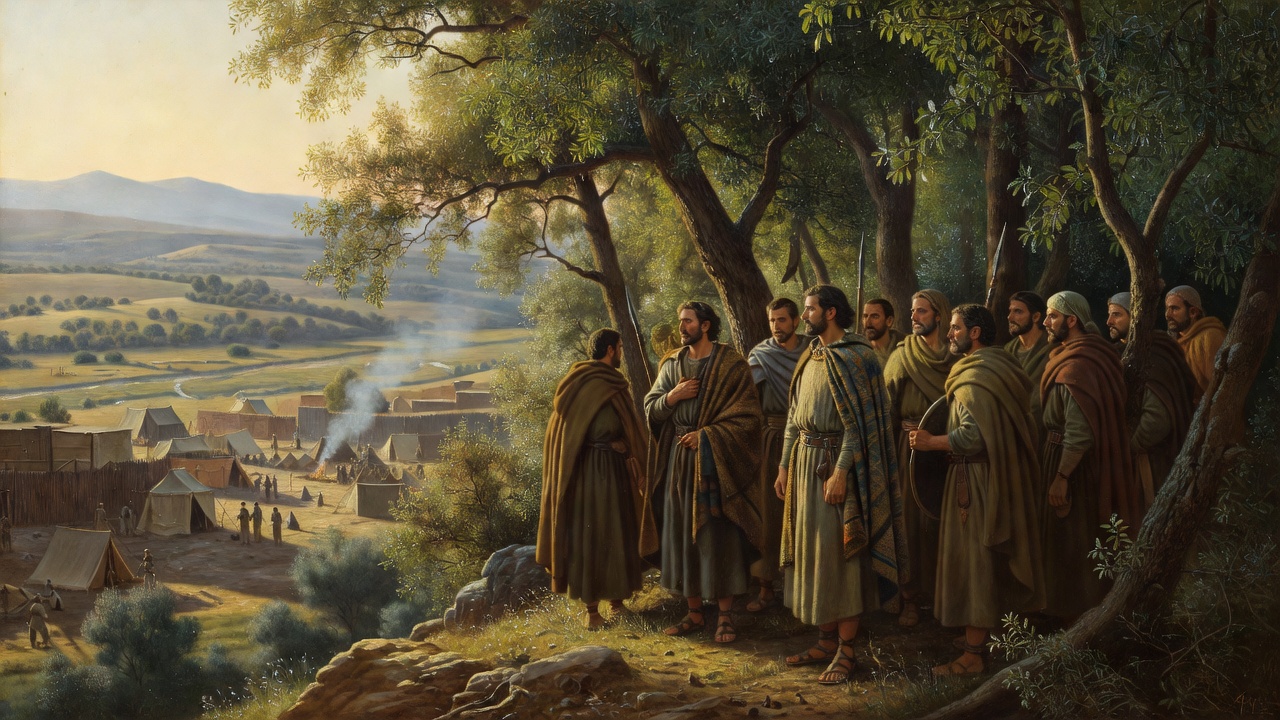
David's Palace and Victories over the Philistines
- The Phoenician coastal city of Tyre was renowned for its maritime commerce and skilled craftsmen. King Hiram provided David with Lebanese cedar logs, stonemasons, and carpenters to build a royal palace in Jerusalem.Sources: Hiram · Tyre · the Bible text itself
- The Valley of Rephaim lay southwest of Jerusalem, providing invaders a natural corridor toward the city. David named the site of his victory Baal-perazim, meaning a bursting through, comparing God breaking through his enemies to a raging flood.Sources: Valley of Rephaim · Baal-perazim · the Bible text itself
- In their second confrontation, David ambushed the Philistine army near a grove of balsam trees and pursued the retreating forces from Gibeon all the way to Gezer on the coastal plain.Sources: Gibeon · Gezer · the Bible text itself
Notes written with AI assistance from open sources (Theographic Bible Metadata, CC BY-SA 4.0; Easton’s Bible Dictionary, public domain) and reviewed before publishing.
Places in this chapter
- Tyre · 33.271, 35.196 · verse 1
- Jerusalem · 31.777, 35.234 · verses 3, 4
- Valley of Rephaim · 31.763, 35.219 · verse 9
- Gezer · Today: Tel Gezer · 31.859, 34.919 · verse 16
- Gibeon · Today: El Jib · 31.847, 35.183 · verse 16
Only places identified with high confidence are shown (90% or more according to the scholarly sources compiled by OpenBible). Period map: DARE (Digital Atlas of the Roman Empire), CC BY 4.0; modern map: © OpenStreetMap contributors; places: OpenBible.info (CC BY 4.0).
Credits and license for this translation
KAKAƗYARI NIUKIEYA XAPAYARI WIXARIKAKƗ
The Holy Bible in the in Huichol language of Mexico, 2020 edition
La Santa Biblia en lengua huichol de México, edición 2020
copyright © 2020 Wycliffe Bible Translators, Inc.
Language: Huichol
Translation by: Wycliffe Bible Translators, Inc.
Huichol [hch], Mexico
Copyright Information
© 1988-2020, Wycliffe Bible Translators, Inc.
This translation text is made available to you under the
terms of the Creative Commons License: Attribution-Noncommercial-No Derivative Works.
( http://creativecommons.org/licenses/by-nc-nd/3.0/ )
In addition, you have permission to port the text to different file formats, as long as you
do not change any of the text or punctuation of the Bible.
You may share, copy, distribute, transmit, and extract portions
or quotations from this work, provided that you include the above copyright
information:
You must give Attribution to the work.
You do not sell this work for a profit.
You do not make any derivative works that change any of the actual words or punctuation of the Scriptures.
Permissions beyond the scope of this license may be
available if you contact
us with your request.
The Holy Bible
in Huichol
© 1988-2020, Wycliffe Bible Translators, Inc.
This translation is made available to you under the terms of the
Creative Commons Attribution-Noncommercial-No Derivatives license 4.0.
You may share and redistribute this Bible translation or extracts from it in any format, provided that:
You include the above copyright and source information.
You do not sell this work for a profit.
You do not change any of the words or punctuation of the Scriptures.
Pictures included with Scriptures and other documents on this site are licensed just for use with those Scriptures and documents.
For other uses, please contact the respective copyright owners.
2025-09-03
Source: http://ebible.org/hch/ · eBible.org