Psalms 139
כתבי הקודש · Tap a verse to see its cross-references.
1לַ֭מְנַצֵּחַ לְדָוִ֣ד מִזְמ֑וֹר יְהוָ֥ה חֲ֝קַרְתַּ֗נִי וַתֵּדָֽע׃ 2אַתָּ֣ה יָ֭דַעְתָּ שִׁבְתִּ֣י וְקוּמִ֑י בַּ֥נְתָּה לְ֝רֵעִ֗י מֵרָחֽוֹק׃ 3אָרְחִ֣י וְרִבְעִ֣י זֵרִ֑יתָ וְֽכָל־דְּרָכַ֥י הִסְכַּֽנְתָּה׃ 4כִּ֤י אֵ֣ין מִ֭לָּה בִּלְשׁוֹנִ֑י הֵ֥ן יְ֝הוָ֗ה יָדַ֥עְתָּ כֻלָּֽהּ׃ 5אָח֣וֹר וָקֶ֣דֶם צַרְתָּ֑נִי וַתָּ֖שֶׁת עָלַ֣י כַּפֶּֽכָה׃ 6פלאיה דַ֣עַת מִמֶּ֑נִּי נִ֝שְׂגְּבָ֗ה לֹא־א֥וּכַֽל לָֽהּ׃ 7אָ֭נָ֥ה אֵלֵ֣ךְ מֵרוּחֶ֑ךָ וְ֝אָ֗נָה מִפָּנֶ֥יךָ אֶבְרָֽח׃ 8אִם־אֶסַּ֣ק שָׁ֭מַיִם שָׁ֣ם אָ֑תָּה וְאַצִּ֖יעָה שְּׁא֣וֹל הִנֶּֽךָּ׃ 9אֶשָּׂ֥א כַנְפֵי־שָׁ֑חַר אֶ֝שְׁכְּנָ֗ה בְּאַחֲרִ֥ית יָֽם׃ 10גַּם־שָׁ֭ם יָדְךָ֣ תַנְחֵ֑נִי וְֽתֹאחֲזֵ֥נִי יְמִינֶֽךָ׃ 11וָ֭אֹמַר אַךְ־חֹ֣שֶׁךְ יְשׁוּפֵ֑נִי וְ֝לַ֗יְלָה א֣וֹר בַּעֲדֵֽנִי׃ 12גַּם־חֹשֶׁךְ֮ לֹֽא־יַחְשִׁ֪יךְ מִ֫מֶּ֥ךָ וְ֭לַיְלָה כַּיּ֣וֹם יָאִ֑יר כַּ֝חֲשֵׁיכָ֗ה כָּאוֹרָֽה׃ 13כִּֽי־אַ֭תָּה קָנִ֣יתָ כִלְיֹתָ֑י תְּ֝סֻכֵּ֗נִי בְּבֶ֣טֶן אִמִּֽי׃ 14אֽוֹדְךָ֗ עַ֤ל כִּ֥י נוֹרָא֗וֹת נִ֫פְלֵ֥יתִי נִפְלָאִ֥ים מַעֲשֶׂ֑יךָ וְ֝נַפְשִׁ֗י יֹדַ֥עַת מְאֹֽד׃ 15לֹא־נִכְחַ֥ד עָצְמִ֗י מִ֫מֶּ֥ךָּ אֲשֶׁר־עֻשֵּׂ֥יתִי בַסֵּ֑תֶר רֻ֝קַּ֗מְתִּי בְּֽתַחְתִּיּ֥וֹת אָֽרֶץ׃ 16גָּלְמִ֤י ׀ רָ֘א֤וּ עֵינֶ֗יךָ וְעַֽל־סִפְרְךָ֮ כֻּלָּ֪ם יִכָּ֫תֵ֥בוּ יָמִ֥ים יֻצָּ֑רוּ ולא אֶחָ֣ד בָּהֶֽם׃ 17וְלִ֗י מַה־יָּקְר֣וּ רֵעֶ֣יךָ אֵ֑ל מֶ֥ה עָ֝צְמוּ רָאשֵׁיהֶֽם׃ 18אֶ֭סְפְּרֵם מֵח֣וֹל יִרְבּ֑וּן הֱ֝קִיצֹ֗תִי וְעוֹדִ֥י עִמָּֽךְ׃ 19אִם־תִּקְטֹ֖ל אֱל֥וֹהַּ ׀ רָשָׁ֑ע וְאַנְשֵׁ֥י דָ֝מִ֗ים ס֣וּרוּ מֶֽנִּי׃ 20אֲשֶׁ֣ר יֹ֭אמְרֻךָ לִמְזִמָּ֑ה נָשֻׂ֖א לַשָּׁ֣וְא עָרֶֽיךָ׃ 21הֲלֽוֹא־מְשַׂנְאֶ֖יךָ יְהוָ֥ה ׀ אֶשְׂנָ֑א וּ֝בִתְקוֹמְמֶ֗יךָ אֶתְקוֹטָֽט׃ 22תַּכְלִ֣ית שִׂנְאָ֣ה שְׂנֵאתִ֑ים לְ֝אוֹיְבִ֗ים הָ֣יוּ לִֽי׃ 23חָקְרֵ֣נִי אֵ֭ל וְדַ֣ע לְבָבִ֑י בְּ֝חָנֵ֗נִי וְדַ֣ע שַׂרְעַפָּֽי׃ 24וּרְאֵ֗ה אִם־דֶּֽרֶךְ־ עֹ֥צֶב בִּ֑י וּ֝נְחֵ֗נִי בְּדֶ֣רֶךְ עוֹלָֽם׃
Did you know?
God's Complete Knowledge and Presence
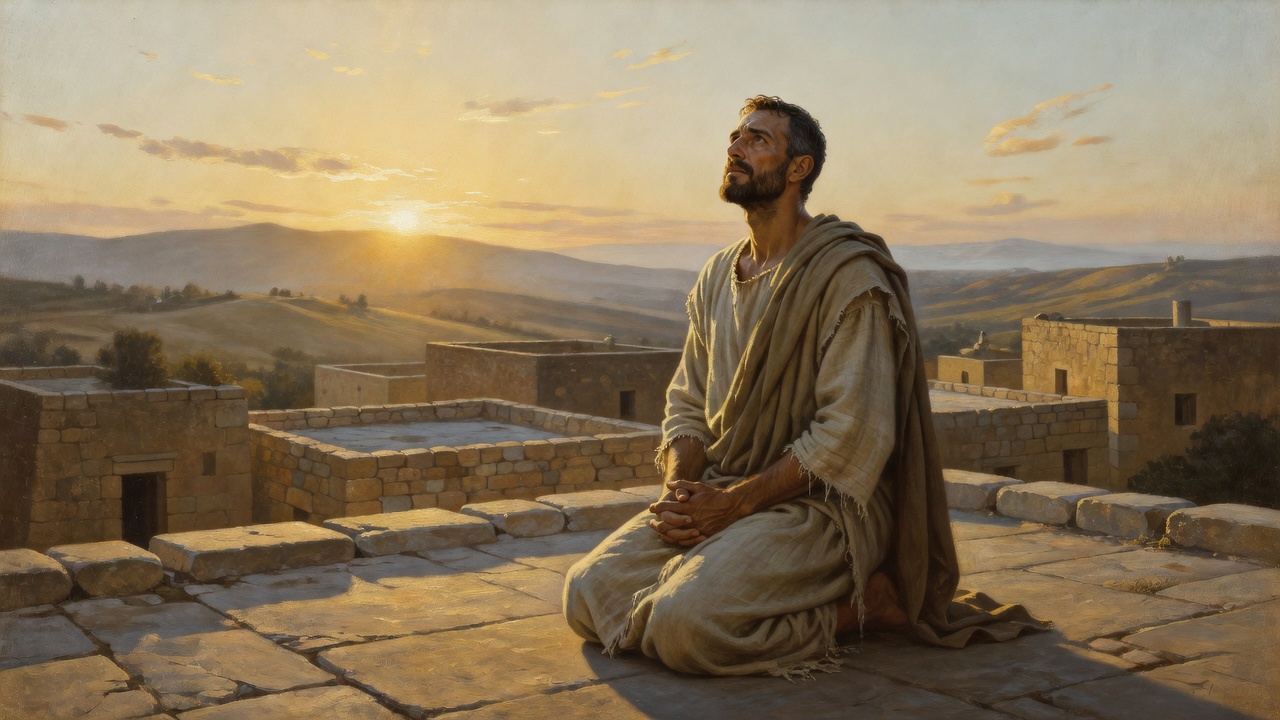
- The psalmist uses geographic and cosmic extremes—ascending to the heavens, descending to Sheol (the realm of the dead), flying toward the dawn in the east, or settling by the farthest sea in the west—to illustrate that no place exists beyond God's presence and guidance.Sources: the Bible text itself
- The psalm depicts the creation of human life using the imagery of being knit or woven together in secret within the mother's womb, emphasizing that God observed the unformed body before any of its days existed.Sources: the Bible text itself
- After declaring total separation from the wicked and deceitful, the author concludes by inviting God to thoroughly search his own heart, test his anxieties, and redirect any offensive way toward the everlasting path.Sources: the Bible text itself
Notes written with AI assistance from open sources (Theographic Bible Metadata, CC BY-SA 4.0; Easton’s Bible Dictionary, public domain) and reviewed before publishing.
Credits and license for this translation
כתבי הקודש
The Hebrew Old Testament, Westminster Leningrad Codex
Public Domain
Language: עברית (Hebrew)
Dialect: Biblical/Ancient
Lemma and morphology data are licensed under a Creative Commons Attribution- ShareAlike license (http://creativecommons.org/licenses/by-sa/3.0/). For attribution purposes, credit the Open Scriptures Hebrew Bible Project. The text of the WLC remains in the public domain.
2017-12-27
Source: http://ebible.org/hboWLC/ · eBible.org