Proverbs 14
כתבי הקודש · Tap a verse to see its cross-references.
1חַכְמ֣וֹת נָ֭שִׁים בָּנְתָ֣ה בֵיתָ֑הּ וְ֝אִוֶּ֗לֶת בְּיָדֶ֥יהָ תֶהֶרְסֶֽנּוּ׃ 2הוֹלֵ֣ךְ בְּ֭יָשְׁרוֹ יְרֵ֣א יְהוָ֑ה וּנְל֖וֹז דְּרָכָ֣יו בּוֹזֵֽהוּ׃ 3בְּֽפִי־אֱ֭וִיל חֹ֣טֶר גַּאֲוָ֑ה וְשִׂפְתֵ֥י חֲ֝כָמִ֗ים תִּשְׁמוּרֵֽם׃ 4בְּאֵ֣ין אֲ֭לָפִים אֵב֣וּס בָּ֑ר וְרָב־תְּ֝בוּא֗וֹת בְּכֹ֣חַ שֽׁוֹר׃ 5עֵ֣ד אֱ֭מוּנִים לֹ֣א יְכַזֵּ֑ב וְיָפִ֥יחַ כְּ֝זָבִ֗ים עֵ֣ד שָֽׁקֶר׃ 6בִּקֶּשׁ־לֵ֣ץ חָכְמָ֣ה וָאָ֑יִן וְדַ֖עַת לְנָב֣וֹן נָקָֽל׃ 7לֵ֣ךְ מִ֭נֶּגֶד לְאִ֣ישׁ כְּסִ֑יל וּבַל־יָ֝דַ֗עְתָּ שִׂפְתֵי־דָֽעַת׃ 8חָכְמַ֣ת עָ֭רוּם הָבִ֣ין דַּרְכּ֑וֹ וְאִוֶּ֖לֶת כְּסִילִ֣ים מִרְמָֽה׃ 9אֱ֭וִלִים יָלִ֣יץ אָשָׁ֑ם וּבֵ֖ין יְשָׁרִ֣ים רָצֽוֹן׃ 10לֵ֗ב י֭וֹדֵעַ מָרַּ֣ת נַפְשׁ֑וֹ וּ֝בְשִׂמְחָת֗וֹ לֹא־יִתְעָ֥רַב זָֽר׃ 11בֵּ֣ית רְ֭שָׁעִים יִשָּׁמֵ֑ד וְאֹ֖הֶל יְשָׁרִ֣ים יַפְרִֽיחַ׃ 12יֵ֤שׁ דֶּ֣רֶךְ יָ֭שָׁר לִפְנֵי־אִ֑ישׁ וְ֝אַחֲרִיתָ֗הּ דַּרְכֵי־מָֽוֶת ׃ 13גַּם־בִּשְׂח֥וֹק יִכְאַב־לֵ֑ב וְאַחֲרִיתָ֖הּ שִׂמְחָ֣ה תוּגָֽה׃ 14מִדְּרָכָ֣יו יִ֭שְׂבַּע ס֣וּג לֵ֑ב וּ֝מֵעָלָ֗יו אִ֣ישׁ טֽוֹב׃ 15פֶּ֭תִי יַאֲמִ֣ין לְכָל־דָּבָ֑ר וְ֝עָר֗וּם יָבִ֥ין לַאֲשֻׁרֽוֹ׃ 16חָכָ֣ם יָ֭רֵא וְסָ֣ר מֵרָ֑ע וּ֝כְסִ֗יל מִתְעַבֵּ֥ר וּבוֹטֵֽחַ׃ 17קְֽצַר־אַ֭פַּיִם יַעֲשֶׂ֣ה אִוֶּ֑לֶת וְאִ֥ישׁ מְ֝זִמּ֗וֹת יִשָּׂנֵֽא׃ 18נָחֲל֣וּ פְתָאיִ֣ם אִוֶּ֑לֶת וַֽ֝עֲרוּמִ֗ים יַכְתִּ֥רוּ דָֽעַת׃ 19שַׁח֣וּ רָ֭עִים לִפְנֵ֣י טוֹבִ֑ים וּ֝רְשָׁעִ֗ים עַֽל־שַׁעֲרֵ֥י צַדִּֽיק׃ 20גַּם־לְ֭רֵעֵהוּ יִשָּׂ֣נֵא רָ֑שׁ וְאֹהֲבֵ֖י עָשִׁ֣יר רַבִּֽים׃ 21בָּז־לְרֵעֵ֥הוּ חוֹטֵ֑א וּמְחוֹנֵ֖ן עניים אַשְׁרָֽיו׃ 22הֲֽלוֹא־יִ֭תְעוּ חֹ֣רְשֵׁי רָ֑ע וְחֶ֥סֶד וֶ֝אֱמֶ֗ת חֹ֣רְשֵׁי טֽוֹב׃ 23בְּכָל־עֶ֭צֶב יִהְיֶ֣ה מוֹתָ֑ר וּדְבַר־שְׂ֝פָתַ֗יִם אַךְ־לְמַחְסֽוֹר׃ 24עֲטֶ֣רֶת חֲכָמִ֣ים עָשְׁרָ֑ם אִוֶּ֖לֶת כְּסִילִ֣ים אִוֶּֽלֶת׃ 25מַצִּ֣יל נְ֭פָשׁוֹת עֵ֣ד אֱמֶ֑ת וְיָפִ֖חַ כְּזָבִ֣ים מִרְמָֽה׃ 26בְּיִרְאַ֣ת יְ֭הוָה מִבְטַח־עֹ֑ז וּ֝לְבָנָ֗יו יִהְיֶ֥ה מַחְסֶֽה׃ 27יִרְאַ֣ת יְ֭הוָה מְק֣וֹר חַיִּ֑ים לָ֝ס֗וּר מִמֹּ֥קְשֵׁי מָֽוֶת׃ 28בְּרָב־עָ֥ם הַדְרַת־מֶ֑לֶךְ וּבְאֶ֥פֶס לְ֝אֹ֗ם מְחִתַּ֥ת רָזֽוֹן׃ 29אֶ֣רֶךְ אַ֭פַּיִם רַב־תְּבוּנָ֑ה וּקְצַר־ר֝֗וּחַ מֵרִ֥ים אִוֶּֽלֶת׃ 30חַיֵּ֣י בְ֭שָׂרִים לֵ֣ב מַרְפֵּ֑א וּרְקַ֖ב עֲצָמ֣וֹת קִנְאָֽה׃ 31עֹ֣שֵֽׁק־דָּ֭ל חֵרֵ֣ף עֹשֵׂ֑הוּ וּ֝מְכַבְּד֗וֹ חֹנֵ֥ן אֶבְיֽוֹן׃ 32בְּֽ֭רָעָתוֹ יִדָּחֶ֣ה רָשָׁ֑ע וְחֹסֶ֖ה בְמוֹת֣וֹ צַדִּֽיק׃ 33בְּלֵ֣ב נָ֭בוֹן תָּנ֣וּחַ חָכְמָ֑ה וּבְקֶ֥רֶב כְּ֝סִילִ֗ים תִּוָּדֵֽעַ׃ 34צְדָקָ֥ה תְרֽוֹמֵֽם־גּ֑וֹי וְחֶ֖סֶד לְאֻמִּ֣ים חַטָּֽאת׃ 35רְֽצוֹן־מֶ֭לֶךְ לְעֶ֣בֶד מַשְׂכִּ֑יל וְ֝עֶבְרָת֗וֹ תִּהְיֶ֥ה מֵבִֽישׁ׃
Did you know?
Wisdom, Labor, and Justice
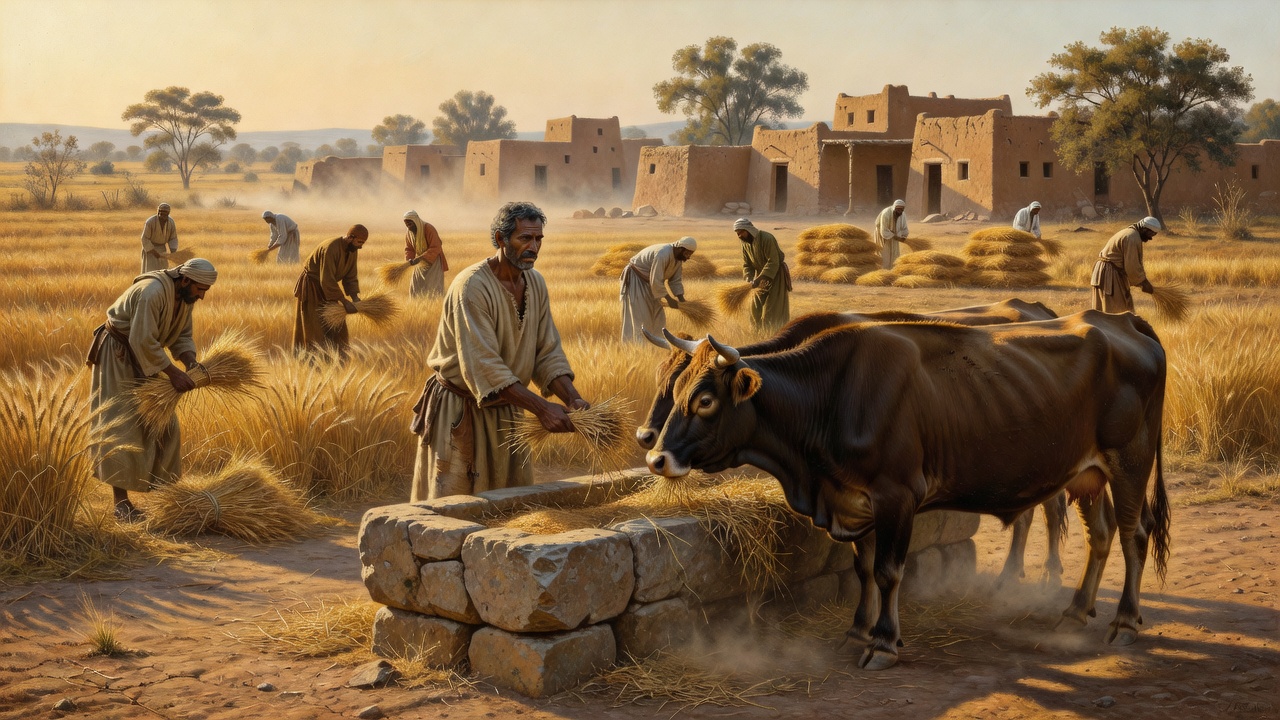
- Proverbs 14 uses practical agricultural life to illustrate that meaningful productivity requires labor and investment. While an empty manger stays clean without oxen, an abundant harvest depends directly on the strength and work of draft animals.Sources: the Bible text itself
- The chapter directly links social justice to reverence for God. Mistreating or despising the poor and needy is described as an insult to their Maker, whereas showing kindness and generosity to them honors God.Sources: the Bible text itself
- The proverbs extend moral guidance to governance and national health, stating that a king's glory depends on a thriving population and that moral righteousness exalts an entire nation, while sin brings collective disgrace.Sources: the Bible text itself
Notes written with AI assistance from open sources (Theographic Bible Metadata, CC BY-SA 4.0; Easton’s Bible Dictionary, public domain) and reviewed before publishing.
Credits and license for this translation
כתבי הקודש
The Hebrew Old Testament, Westminster Leningrad Codex
Public Domain
Language: עברית (Hebrew)
Dialect: Biblical/Ancient
Lemma and morphology data are licensed under a Creative Commons Attribution- ShareAlike license (http://creativecommons.org/licenses/by-sa/3.0/). For attribution purposes, credit the Open Scriptures Hebrew Bible Project. The text of the WLC remains in the public domain.
2017-12-27
Source: http://ebible.org/hboWLC/ · eBible.org