Job 39
כתבי הקודש · Tap a verse to see its cross-references.
1הֲיָדַ֗עְתָּ עֵ֭ת לֶ֣דֶת יַעֲלֵי־סָ֑לַע חֹלֵ֖ל אַיָּל֣וֹת תִּשְׁמֹֽר׃ 2תִּסְפֹּ֣ר יְרָחִ֣ים תְּמַלֶּ֑אנָה וְ֝יָדַ֗עְתָּ עֵ֣ת לִדְתָּֽנָה׃ 3תִּ֭כְרַעְנָה יַלְדֵיהֶ֣ן תְּפַלַּ֑חְנָה חֶבְלֵיהֶ֥ם תְּשַׁלַּֽחְנָה׃ 4יַחְלְמ֣וּ בְ֭נֵיהֶם יִרְבּ֣וּ בַבָּ֑ר יָ֝צְא֗וּ וְלֹא־שָׁ֥בוּ לָֽמוֹ׃ 5מִֽי־שִׁלַּ֣ח פֶּ֣רֶא חָפְשִׁ֑י וּמֹסְר֥וֹת עָ֝ר֗וֹד מִ֣י פִתֵּֽחַ׃ 6אֲשֶׁר־שַׂ֣מְתִּי עֲרָבָ֣ה בֵית֑וֹ וּֽמִשְׁכְּנוֹתָ֥יו מְלֵֽחָה׃ 7יִ֭שְׂחַק לַהֲמ֣וֹן קִרְיָ֑ה תְּשֻׁא֥וֹת נ֝וֹגֵ֗שׂ לֹ֣א יִשְׁמָֽע׃ 8יְת֣וּר הָרִ֣ים מִרְעֵ֑הוּ וְאַחַ֖ר כָּל־יָר֣וֹק יִדְרֽוֹשׁ׃ 9הֲיֹ֣אבֶה רֵּ֣ים עָבְדֶ֑ךָ אִם־יָ֝לִ֗ין עַל־אֲבוּסֶֽךָ׃ 10הֲֽתִקְשָׁר־רֵ֭ים בְּתֶ֣לֶם עֲבֹת֑וֹ אִם־יְשַׂדֵּ֖ד עֲמָקִ֣ים אַחֲרֶֽיךָ׃ 11הֲֽתִבְטַח־בּ֭וֹ כִּי־רַ֣ב כֹּח֑וֹ וְתַעֲזֹ֖ב אֵלָ֣יו יְגִיעֶֽךָ׃ 12הֲתַאֲמִ֣ין בּ֭וֹ כִּי־ישוב זַרְעֶ֑ךָ וְֽגָרְנְךָ֥ יֶאֱסֹֽף׃ 13כְּנַף־רְנָנִ֥ים נֶעֱלָ֑סָה אִם־אֶ֝בְרָ֗ה חֲסִידָ֥ה וְנֹצָֽה׃ 14כִּֽי־תַעֲזֹ֣ב לָאָ֣רֶץ בֵּצֶ֑יהָ וְֽעַל־עָפָ֥ר תְּחַמֵּֽם׃ 15וַ֭תִּשְׁכַּח כִּי־רֶ֣גֶל תְּזוּרֶ֑הָ וְחַיַּ֖ת הַשָּׂדֶ֣ה תְּדוּשֶֽׁהָ׃ 16הִקְשִׁ֣יחַ בָּנֶ֣יהָ לְּלֹא־לָ֑הּ לְרִ֖יק יְגִיעָ֣הּ בְּלִי־פָֽחַד׃ 17כִּֽי־הִשָּׁ֣הּ אֱל֣וֹהַּ חָכְמָ֑ה וְלֹא־חָ֥לַק לָ֝֗הּ בַּבִּינָֽה׃ 18כָּ֭עֵת בַּמָּר֣וֹם תַּמְרִ֑יא תִּֽשְׂחַ֥ק לַ֝סּ֗וּס וּלְרֹֽכְבֽוֹ׃ 19הֲתִתֵּ֣ן לַסּ֣וּס גְּבוּרָ֑ה הֲתַלְבִּ֖ישׁ צַוָּאר֣וֹ רַעְמָֽה׃ 20הְֽ֭תַרְעִישֶׁנּוּ כָּאַרְבֶּ֑ה ה֖וֹד נַחְר֣וֹ אֵימָֽה׃ 21יַחְפְּר֣וּ בָ֭עֵמֶק וְיָשִׂ֣ישׂ בְּכֹ֑חַ יֵ֝צֵ֗א לִקְרַאת־נָֽשֶׁק׃ 22יִשְׂחַ֣ק לְ֭פַחַד וְלֹ֣א יֵחָ֑ת וְלֹֽא־יָ֝שׁ֗וּב מִפְּנֵי־חָֽרֶב׃ 23עָ֭לָיו תִּרְנֶ֣ה אַשְׁפָּ֑ה לַ֖הַב חֲנִ֣ית וְכִידֽוֹן׃ 24בְּרַ֣עַשׁ וְ֭רֹגֶז יְגַמֶּא־אָ֑רֶץ וְלֹֽא־יַ֝אֲמִ֗ין כִּי־ק֥וֹל שׁוֹפָֽר׃ 25בְּדֵ֤י שֹׁפָ֨ר ׀ יֹ֘אמַ֤ר הֶאָ֗ח וּֽ֭מֵרָחוֹק יָרִ֣יחַ מִלְחָמָ֑ה רַ֥עַם שָׂ֝רִים וּתְרוּעָֽה׃ 26הֲֽ֭מִבִּינָ֣תְךָ יַֽאֲבֶר־נֵ֑ץ יִפְרֹ֖שׂ כנפו לְתֵימָֽן׃ 27אִם־עַל־פִּ֭יךָ יַגְבִּ֣יהַּ נָ֑שֶׁר וְ֝כִ֗י יָרִ֥ים קִנּֽוֹ׃ 28סֶ֣לַע יִ֭שְׁכֹּן וְיִתְלֹנָ֑ן עַֽל־שֶׁן־סֶ֝֗לַע וּמְצוּדָֽה׃ 29מִשָּׁ֥ם חָֽפַר־אֹ֑כֶל לְ֝מֵרָח֗וֹק עֵינָ֥יו יַבִּֽיטוּ׃ 30ואפרחו יְעַלְעוּ־דָ֑ם וּבַאֲשֶׁ֥ר חֲ֝לָלִ֗ים שָׁ֣ם הֽוּא׃ פ
Did you know?
God’s Care and Design in the Animal Kingdom
- The divine speech challenges Job regarding the untamable nature of wild animals such as the wild donkey and the wild ox. Unlike domesticated livestock used for farming and threshing, these creatures dwell freely in the wilderness and salt flats, completely independent of human authority and labor.Sources: the Bible text itself
- The text highlights the ostrich’s peculiar nesting habits, describing how it leaves its eggs in the sand without the protective care seen in other birds, yet outruns horses when fleeing across open ground.Sources: the Bible text itself
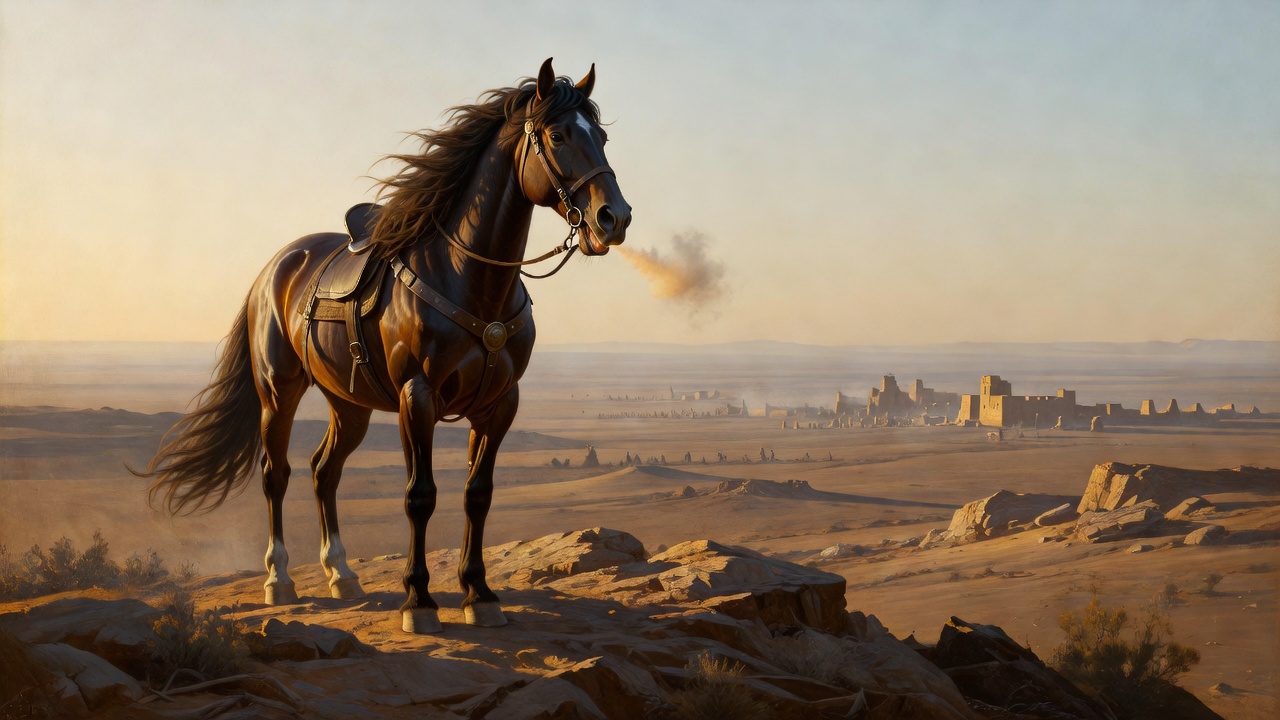
- The vivid portrait of the warhorse describes its fearlessness, strength, and eagerness in the face of weapons and battle horns, emphasizing that its courage and nature are bestowed by God rather than human mastery.Sources: the Bible text itself
Notes written with AI assistance from open sources (Theographic Bible Metadata, CC BY-SA 4.0; Easton’s Bible Dictionary, public domain) and reviewed before publishing.
Credits and license for this translation
כתבי הקודש
The Hebrew Old Testament, Westminster Leningrad Codex
Public Domain
Language: עברית (Hebrew)
Dialect: Biblical/Ancient
Lemma and morphology data are licensed under a Creative Commons Attribution- ShareAlike license (http://creativecommons.org/licenses/by-sa/3.0/). For attribution purposes, credit the Open Scriptures Hebrew Bible Project. The text of the WLC remains in the public domain.
2017-12-27
Source: http://ebible.org/hboWLC/ · eBible.org