Isaiah 50
כתבי הקודש · Tap a verse to see its cross-references.
1כֹּ֣ה ׀ אָמַ֣ר יְהוָ֗ה אֵ֣י זֶ֠ה סֵ֣פֶר כְּרִית֤וּת אִמְּכֶם֙ אֲשֶׁ֣ר שִׁלַּחְתִּ֔יהָ א֚וֹ מִ֣י מִנּוֹשַׁ֔י אֲשֶׁר־מָכַ֥רְתִּי אֶתְכֶ֖ם ל֑וֹ הֵ֤ן בַּעֲוֺנֹֽתֵיכֶם֙ נִמְכַּרְתֶּ֔ם וּבְפִשְׁעֵיכֶ֖ם שֻׁלְּחָ֥ה אִמְּכֶֽם׃ 2מַדּ֨וּעַ בָּ֜אתִי וְאֵ֣ין אִ֗ישׁ קָרָֽאתִי֮ וְאֵ֣ין עוֹנֶה֒ הֲקָצ֨וֹר קָצְרָ֤ה יָדִי֙ מִפְּד֔וּת וְאִם־אֵֽין־בִּ֥י כֹ֖חַ לְהַצִּ֑יל הֵ֣ן בְּגַעֲרָתִ֞י אַחֲרִ֣יב יָ֗ם אָשִׂ֤ים נְהָרוֹת֙ מִדְבָּ֔ר תִּבְאַ֤שׁ דְּגָתָם֙ מֵאֵ֣ין מַ֔יִם וְתָמֹ֖ת בַּצָּמָֽא׃ 3אַלְבִּ֥ישׁ שָׁמַ֖יִם קַדְר֑וּת וְשַׂ֖ק אָשִׂ֥ים כְּסוּתָֽם׃ ס 4אֲדֹנָ֣י יְהֹוִ֗ה נָ֤תַן לִי֙ לְשׁ֣וֹן לִמּוּדִ֔ים לָדַ֛עַת לָע֥וּת אֶת־יָעֵ֖ף דָּבָ֑ר יָעִ֣יר ׀ בַּבֹּ֣קֶר בַּבֹּ֗קֶר יָעִ֥יר לִי֙ אֹ֔זֶן לִשְׁמֹ֖עַ כַּלִּמּוּדִֽים׃ 5אֲדֹנָ֤י יְהוִה֙ פָּתַֽח־לִ֣י אֹ֔זֶן וְאָנֹכִ֖י לֹ֣א מָרִ֑יתִי אָח֖וֹר לֹ֥א נְסוּגֹֽתִי׃ 6גֵּוִי֙ נָתַ֣תִּי לְמַכִּ֔ים וּלְחָיַ֖י לְמֹֽרְטִ֑ים פָּנַי֙ לֹ֣א הִסְתַּ֔רְתִּי מִכְּלִמּ֖וֹת וָרֹֽק׃ 7וַאדֹנָ֤י יְהוִה֙ יַֽעֲזָר־לִ֔י עַל־כֵּ֖ן לֹ֣א נִכְלָ֑מְתִּי עַל־כֵּ֞ן שַׂ֤מְתִּי פָנַי֙ כַּֽחַלָּמִ֔ישׁ וָאֵדַ֖ע כִּי־לֹ֥א אֵבֽוֹשׁ׃ 8קָרוֹב֙ מַצְדִּיקִ֔י מִֽי־יָרִ֥יב אִתִּ֖י נַ֣עַמְדָה יָּ֑חַד מִֽי־בַ֥עַל מִשְׁפָּטִ֖י יִגַּ֥שׁ אֵלָֽי׃ 9הֵ֣ן אֲדֹנָ֤י יְהוִה֙ יַֽעֲזָר־לִ֔י מִי־ה֖וּא יַרְשִׁיעֵ֑נִי הֵ֤ן כֻּלָּם֙ כַּבֶּ֣גֶד יִבְל֔וּ עָ֖שׁ יֹאכְלֵֽם׃ 10מִ֤י בָכֶם֙ יְרֵ֣א יְהוָ֔ה שֹׁמֵ֖עַ בְּק֣וֹל עַבְדּ֑וֹ אֲשֶׁ֣ר ׀ הָלַ֣ךְ חֲשֵׁכִ֗ים וְאֵ֥ין נֹ֙גַהּ֙ ל֔וֹ יִבְטַח֙ בְּשֵׁ֣ם יְהוָ֔ה וְיִשָּׁעֵ֖ן בֵּאלֹהָֽיו׃ 11הֵ֧ן כֻּלְּכֶ֛ם קֹ֥דְחֵי אֵ֖שׁ מְאַזְּרֵ֣י זִיק֑וֹת לְכ֣וּ ׀ בְּא֣וּר אֶשְׁכֶ֗ם וּבְזִיקוֹת֙ בִּֽעַרְתֶּ֔ם מִיָּדִי֙ הָיְתָה־זֹּ֣את לָכֶ֔ם לְמַעֲצֵבָ֖ה תִּשְׁכָּבֽוּן׃ פ
Did you know?
The Obedient Servant and Divine Vindication
- In ancient Near Eastern legal custom, a husband issued a certificate of divorce to formalize a separation, and impoverished debtors might sell their children into servitude. In Isaiah 50:1, God uses these legal metaphors to demonstrate that Israel was not abandoned due to a divine debt or permanent annulment of the covenant, but went into exile because of its own transgressions.Sources: the Bible text itself
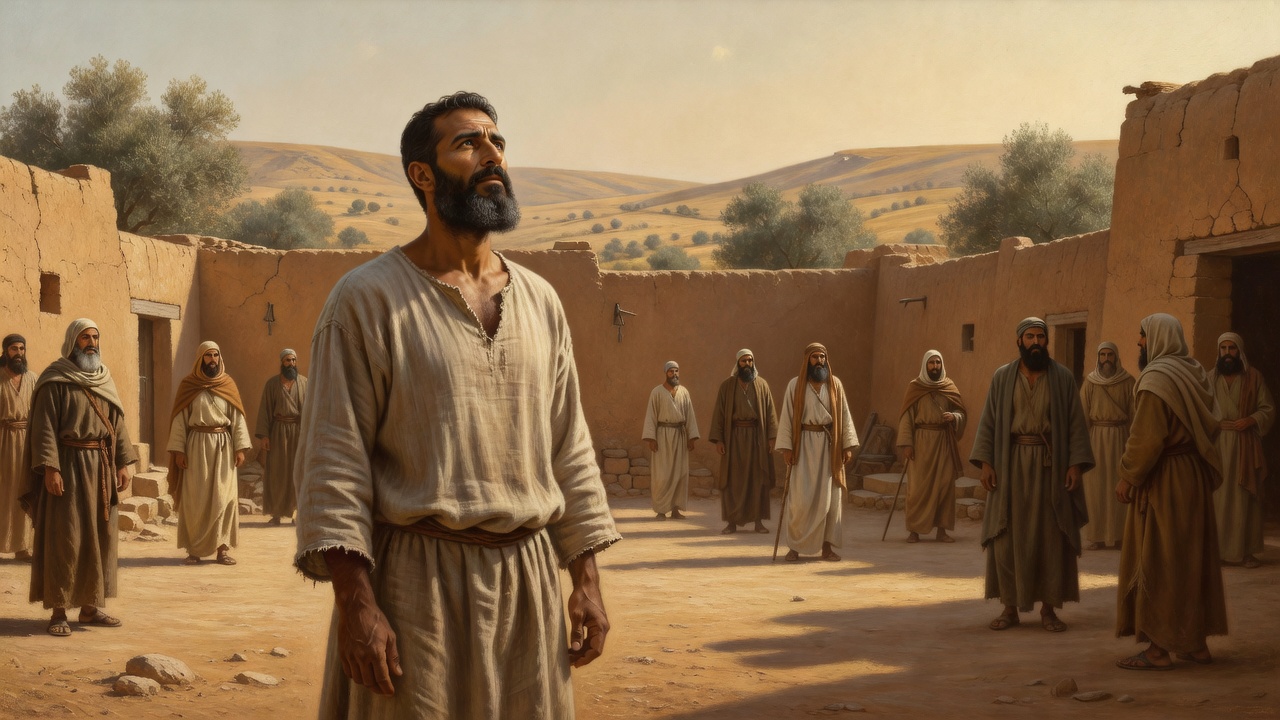
- The speaker in Isaiah 50:4–7 portrays the posture of an attentive disciple who willingly endures physical maltreatment, including beatings, the plucking of his beard, and being spat upon. Setting one's face 'like flint' is a vivid idiom signifying resolute determination and steadfast trust in God despite public shame and hostility.Sources: the Bible text itself
Notes written with AI assistance from open sources (Theographic Bible Metadata, CC BY-SA 4.0; Easton’s Bible Dictionary, public domain) and reviewed before publishing.
Credits and license for this translation
כתבי הקודש
The Hebrew Old Testament, Westminster Leningrad Codex
Public Domain
Language: עברית (Hebrew)
Dialect: Biblical/Ancient
Lemma and morphology data are licensed under a Creative Commons Attribution- ShareAlike license (http://creativecommons.org/licenses/by-sa/3.0/). For attribution purposes, credit the Open Scriptures Hebrew Bible Project. The text of the WLC remains in the public domain.
2017-12-27
Source: http://ebible.org/hboWLC/ · eBible.org