Genesis 20
כתבי הקודש · Tap a verse to see its cross-references.
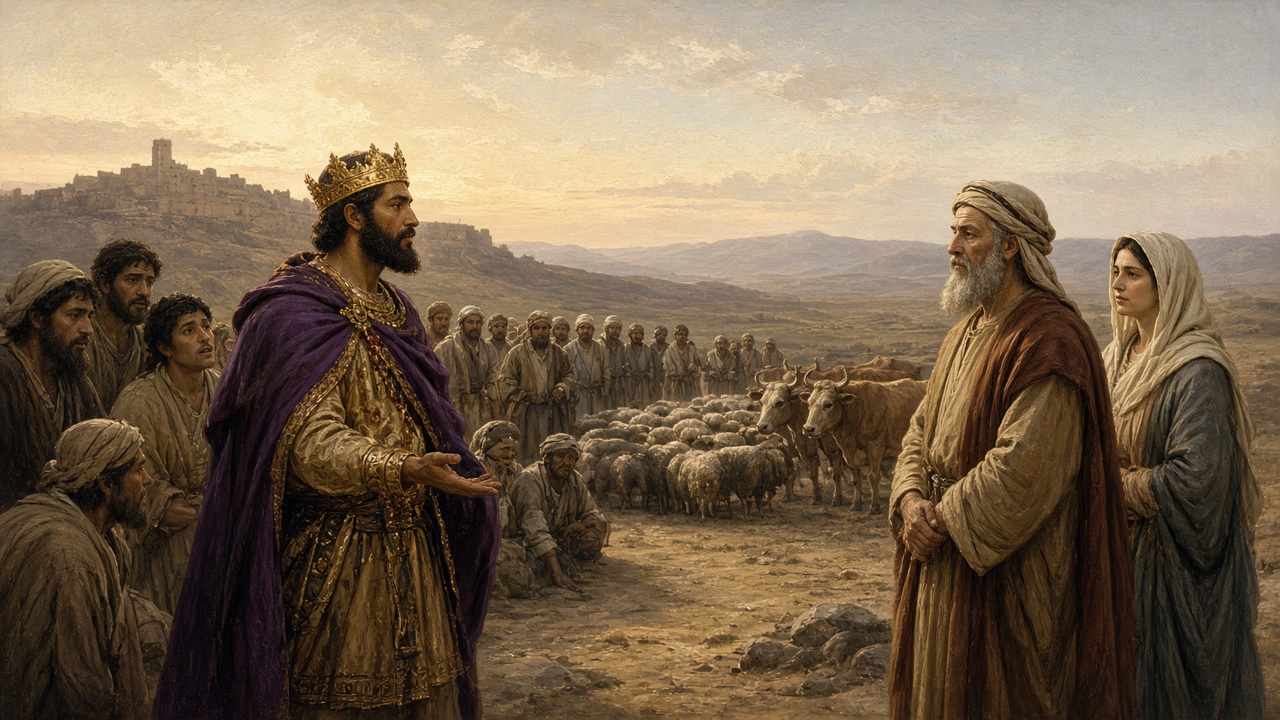
1וַיִּסַּ֨ע מִשָּׁ֤ם אַבְרָהָם֙ אַ֣רְצָה הַנֶּ֔גֶב וַיֵּ֥שֶׁב בֵּין־קָדֵ֖שׁ וּבֵ֣ין שׁ֑וּר וַיָּ֖גָר בִּגְרָֽר׃ 2וַיֹּ֧אמֶר אַבְרָהָ֛ם אֶל־שָׂרָ֥ה אִשְׁתּ֖וֹ אֲחֹ֣תִי הִ֑וא וַיִּשְׁלַ֗ח אֲבִימֶ֙לֶךְ֙ מֶ֣לֶךְ גְּרָ֔ר וַיִּקַּ֖ח אֶת־שָׂרָֽה׃ 3וַיָּבֹ֧א אֱלֹהִ֛ים אֶל־אֲבִימֶ֖לֶךְ בַּחֲל֣וֹם הַלָּ֑יְלָה וַיֹּ֣אמֶר ל֗וֹ הִנְּךָ֥ מֵת֙ עַל־הָאִשָּׁ֣ה אֲשֶׁר־לָקַ֔חְתָּ וְהִ֖וא בְּעֻ֥לַת בָּֽעַל׃ 4וַאֲבִימֶ֕לֶךְ לֹ֥א קָרַ֖ב אֵלֶ֑יהָ וַיֹּאמַ֕ר אֲדֹנָ֕י הֲג֥וֹי גַּם־צַדִּ֖יק תַּהֲרֹֽג׃ 5הֲלֹ֨א ה֤וּא אָֽמַר־לִי֙ אֲחֹ֣תִי הִ֔וא וְהִֽיא־גַם־הִ֥וא אָֽמְרָ֖ה אָחִ֣י ה֑וּא בְּתָם־לְבָבִ֛י וּבְנִקְיֹ֥ן כַּפַּ֖י עָשִׂ֥יתִי זֹֽאת׃ 6וַיֹּאמֶר֩ אֵלָ֨יו הָֽאֱלֹהִ֜ים בַּחֲלֹ֗ם גַּ֣ם אָנֹכִ֤י יָדַ֙עְתִּי֙ כִּ֤י בְתָם־לְבָבְךָ֙ עָשִׂ֣יתָ זֹּ֔את וָאֶחְשֹׂ֧ךְ גַּם־אָנֹכִ֛י אֽוֹתְךָ֖ מֵחֲטוֹ־לִ֑י עַל־כֵּ֥ן לֹא־נְתַתִּ֖יךָ לִנְגֹּ֥עַ אֵלֶֽיהָ׃ 7וְעַתָּ֗ה הָשֵׁ֤ב אֵֽשֶׁת־הָאִישׁ֙ כִּֽי־נָבִ֣יא ה֔וּא וְיִתְפַּלֵּ֥ל בַּֽעַדְךָ֖ וֶֽחְיֵ֑ה וְאִם־אֵֽינְךָ֣ מֵשִׁ֗יב דַּ֚ע כִּי־מ֣וֹת תָּמ֔וּת אַתָּ֖ה וְכָל־אֲשֶׁר־לָֽךְ׃ 8וַיַּשְׁכֵּ֨ם אֲבִימֶ֜לֶךְ בַּבֹּ֗קֶר וַיִּקְרָא֙ לְכָל־עֲבָדָ֔יו וַיְדַבֵּ֛ר אֶת־כָּל־הַדְּבָרִ֥ים הָאֵ֖לֶּה בְּאָזְנֵיהֶ֑ם וַיִּֽירְא֥וּ הָאֲנָשִׁ֖ים מְאֹֽד׃ 9וַיִּקְרָ֨א אֲבִימֶ֜לֶךְ לְאַבְרָהָ֗ם וַיֹּ֨אמֶר ל֜וֹ מֶֽה־עָשִׂ֤יתָ לָּ֙נוּ֙ וּמֶֽה־חָטָ֣אתִי לָ֔ךְ כִּֽי־הֵבֵ֧אתָ עָלַ֛י וְעַל־מַמְלַכְתִּ֖י חֲטָאָ֣ה גְדֹלָ֑ה מַעֲשִׂים֙ אֲשֶׁ֣ר לֹא־יֵֽעָשׂ֔וּ עָשִׂ֖יתָ עִמָּדִֽי׃ 10וַיֹּ֥אמֶר אֲבִימֶ֖לֶךְ אֶל־אַבְרָהָ֑ם מָ֣ה רָאִ֔יתָ כִּ֥י עָשִׂ֖יתָ אֶת־הַדָּבָ֥ר הַזֶּֽה׃ 11וַיֹּ֙אמֶר֙ אַבְרָהָ֔ם כִּ֣י אָמַ֗רְתִּי רַ֚ק אֵין־יִרְאַ֣ת אֱלֹהִ֔ים בַּמָּק֖וֹם הַזֶּ֑ה וַהֲרָג֖וּנִי עַל־דְּבַ֥ר אִשְׁתִּֽי׃ 12וְגַם־אָמְנָ֗ה אֲחֹתִ֤י בַת־אָבִי֙ הִ֔וא אַ֖ךְ לֹ֣א בַת־אִמִּ֑י וַתְּהִי־לִ֖י לְאִשָּֽׁה׃ 13וַיְהִ֞י כַּאֲשֶׁ֧ר הִתְע֣וּ אֹתִ֗י אֱלֹהִים֮ מִבֵּ֣ית אָבִי֒ וָאֹמַ֣ר לָ֔הּ זֶ֣ה חַסְדֵּ֔ךְ אֲשֶׁ֥ר תַּעֲשִׂ֖י עִמָּדִ֑י אֶ֤ל כָּל־הַמָּקוֹם֙ אֲשֶׁ֣ר נָב֣וֹא שָׁ֔מָּה אִמְרִי־לִ֖י אָחִ֥י הֽוּא׃ 14וַיִּקַּ֨ח אֲבִימֶ֜לֶךְ צֹ֣אן וּבָקָ֗ר וַעֲבָדִים֙ וּשְׁפָחֹ֔ת וַיִּתֵּ֖ן לְאַבְרָהָ֑ם וַיָּ֣שֶׁב ל֔וֹ אֵ֖ת שָׂרָ֥ה אִשְׁתּֽוֹ׃ 15וַיֹּ֣אמֶר אֲבִימֶ֔לֶךְ הִנֵּ֥ה אַרְצִ֖י לְפָנֶ֑יךָ בַּטּ֥וֹב בְּעֵינֶ֖יךָ שֵֽׁב׃ 16וּלְשָׂרָ֣ה אָמַ֗ר הִנֵּ֨ה נָתַ֜תִּי אֶ֤לֶף כֶּ֙סֶף֙ לְאָחִ֔יךְ הִנֵּ֤ה הוּא־לָךְ֙ כְּס֣וּת עֵינַ֔יִם לְכֹ֖ל אֲשֶׁ֣ר אִתָּ֑ךְ וְאֵ֥ת כֹּ֖ל וְנֹכָֽחַת׃ 17וַיִּתְפַּלֵּ֥ל אַבְרָהָ֖ם אֶל־הָאֱלֹהִ֑ים וַיִּרְפָּ֨א אֱלֹהִ֜ים אֶת־אֲבִימֶ֧לֶךְ וְאֶת־אִשְׁתּ֛וֹ וְאַמְהֹתָ֖יו וַיֵּלֵֽדוּ׃ 18כִּֽי־עָצֹ֤ר עָצַר֙ יְהוָ֔ה בְּעַ֥ד כָּל־רֶ֖חֶם לְבֵ֣ית אֲבִימֶ֑לֶךְ עַל־דְּבַ֥ר שָׂרָ֖ה אֵ֥שֶׁת אַבְרָהָֽם׃ ס
Did you know?
Sister and Wife in Gerar
- Abraham was staying in Gerar, a very ancient town and district on the southern border of Palestine, then ruled by a king named Abimelech. He had journeyed to the Negev, the arid district south of Palestine on the caravan route toward Egypt, and settled between Kadesh and Shur. Shur, a name meaning “wall,” was a desert region on Egypt’s northeastern edge, probably named for the frontier wall the Egyptians built there.Sources: the Bible text itself · Gerar · Negeb · Shur
- When Abraham said that Sarah was his sister, the kinship was not wholly invented: she was also his half-sister, the daughter of his father but not of his mother. Easton's Bible Dictionary (1897) gives the name Sarah as meaning “princess,” and says that name was given when it was announced that she would be the mother of the promised child.Sources: the Bible text itself · Sarah
- The name Abimelech appears again at Gerar in Isaac’s story. Easton's Bible Dictionary (1897) describes that later king as probably the son of the Abimelech Abraham met, and says he rebuked Isaac for a similar deception about his wife Rebekah, which the king discovered by accident. The same work says Gerar seems to have been a rich pastoral country.Sources: Abimelech (King of Gerar) · Gerar
Notes written with AI assistance from open sources (Theographic Bible Metadata, CC BY-SA 4.0; Easton’s Bible Dictionary, public domain) and reviewed before publishing.
Places in this chapter
- Negeb · 31.245, 34.841 · verse 1
Only places identified with high confidence are shown (90% or more according to the scholarly sources compiled by OpenBible). Period map: DARE (Digital Atlas of the Roman Empire), CC BY 4.0; modern map: © OpenStreetMap contributors; places: OpenBible.info (CC BY 4.0).
Credits and license for this translation
כתבי הקודש
The Hebrew Old Testament, Westminster Leningrad Codex
Public Domain
Language: עברית (Hebrew)
Dialect: Biblical/Ancient
Lemma and morphology data are licensed under a Creative Commons Attribution- ShareAlike license (http://creativecommons.org/licenses/by-sa/3.0/). For attribution purposes, credit the Open Scriptures Hebrew Bible Project. The text of the WLC remains in the public domain.
2017-12-27
Source: http://ebible.org/hboWLC/ · eBible.org