Psalms 37
כתבי הקודש · Tap a verse to see its cross-references.
1לְדָוִ֨ד ׀ אַל־תִּתְחַ֥ר בַּמְּרֵעִ֑ים אַל־תְּ֝קַנֵּ֗א בְּעֹשֵׂ֥י עַוְלָֽה׃ 2כִּ֣י כֶ֭חָצִיר מְהֵרָ֣ה יִמָּ֑לוּ וּכְיֶ֥רֶק דֶּ֝֗שֶׁא יִבֹּולֽוּן׃ 3בְּטַ֣ח בַּֽ֭יהוָה וַעֲשֵׂה־טֹ֑וב שְׁכָן־אֶ֝֗רֶץ וּרְעֵ֥ה אֱמוּנָֽה׃ 4וְהִתְעַנַּ֥ג עַל־יְהוָ֑ה וְיִֽתֶּן־לְ֝ךָ֗ מִשְׁאֲלֹ֥ת לִבֶּֽךָ׃ 5גֹּ֣ול עַל־יְהוָ֣ה דַּרְכֶּ֑ךָ וּבְטַ֥ח עָ֝לָ֗יו וְה֣וּא יַעֲשֶֽׂה׃ 6וְהֹוצִ֣יא כָאֹ֣ור צִדְקֶ֑ךָ וּ֝מִשְׁפָּטֶ֗ךָ כַּֽצָּהֳרָֽיִם׃ 7דֹּ֤ום ׀ לַיהוָה֮ וְהִתְחֹ֪ולֵ֫ל לֹ֥ו אַל־תִּ֭תְחַר בְּמַצְלִ֣יחַ דַּרְכֹּ֑ו בְּ֝אִ֗ישׁ עֹשֶׂ֥ה מְזִמֹּֽות׃ 8הֶ֣רֶף מֵ֭אַף וַעֲזֹ֣ב חֵמָ֑ה אַל־תִּ֝תְחַ֗ר אַךְ־לְהָרֵֽעַ׃ 9כִּֽי־מְ֭רֵעִים יִכָּרֵת֑וּן וְקֹוֵ֥י יְ֝הוָ֗ה הֵ֣מָּה יִֽירְשׁוּ־אָֽרֶץ׃ 10וְעֹ֣וד מְ֭עַט וְאֵ֣ין רָשָׁ֑ע וְהִתְבֹּונַ֖נְתָּ עַל־מְקֹומֹ֣ו וְאֵינֶֽנּוּ׃ 11וַעֲנָוִ֥ים יִֽירְשׁוּ־אָ֑רֶץ וְ֝הִתְעַנְּג֗וּ עַל־רֹ֥ב שָׁלֹֽום׃ 12זֹמֵ֣ם רָ֭שָׁע לַצַּדִּ֑יק וְחֹרֵ֖ק עָלָ֣יו שִׁנָּֽיו׃ 13אֲדֹנָ֥י יִשְׂחַק־לֹ֑ו כִּֽי־רָ֝אָ֗ה כִּֽי־יָבֹ֥א יֹומֹֽו׃ 14חֶ֤רֶב ׀ פָּֽתְח֣וּ רְשָׁעִים֮ וְדָרְכ֪וּ קַ֫שְׁתָּ֥ם לְ֭הַפִּיל עָנִ֣י וְאֶבְיֹ֑ון לִ֝טְבֹ֗וחַ יִשְׁרֵי־דָֽרֶךְ׃ 15חַ֭רְבָּם תָּבֹ֣וא בְלִבָּ֑ם וְ֝קַשְּׁתֹותָ֗ם תִּשָּׁבַֽרְנָה׃ 16טֹוב־מְ֭עַט לַצַּדִּ֑יק מֵ֝הֲמֹ֗ון רְשָׁעִ֥ים רַבִּֽים׃ 17כִּ֤י זְרֹועֹ֣ות רְ֭שָׁעִים תִּשָּׁבַ֑רְנָה וְסֹומֵ֖ךְ צַדִּיקִ֣ים יְהוָֽה׃ 18יֹודֵ֣עַ יְ֭הוָה יְמֵ֣י תְמִימִ֑ם וְ֝נַחֲלָתָ֗ם לְעֹולָ֥ם תִּהְיֶֽה׃ 19לֹֽא־יֵ֭בֹשׁוּ בְּעֵ֣ת רָעָ֑ה וּבִימֵ֖י רְעָבֹ֣ון יִשְׂבָּֽעוּ׃ 20כִּ֤י רְשָׁעִ֨ים ׀ יֹאבֵ֗דוּ וְאֹיְבֵ֣י יְ֭הוָה כִּיקַ֣ר כָּרִ֑ים כָּל֖וּ בֶעָשָׁ֣ן כָּֽלוּ׃ 21לֹוֶ֣ה רָ֭שָׁע וְלֹ֣א יְשַׁלֵּ֑ם וְ֝צַדִּ֗יק חֹונֵ֥ן וְנֹותֵֽן׃ 22כִּ֣י מְ֭בֹרָכָיו יִ֣ירְשׁוּ אָ֑רֶץ וּ֝מְקֻלָּלָ֗יו יִכָּרֵֽתוּ׃ 23מֵ֭יְהוָה מִֽצְעֲדֵי־גֶ֥בֶר כֹּונָ֗נוּ וְדַרְכֹּ֥ו יֶחְפָּֽץ׃ 24כִּֽי־יִפֹּ֥ל לֹֽא־יוּטָ֑ל כִּֽי־יְ֝הוָ֗ה סֹומֵ֥ךְ יָדֹֽו׃ 25נַ֤עַר ׀ הָיִ֗יתִי גַּם־זָ֫קַ֥נְתִּי וְֽלֹא־רָ֭אִיתִי צַדִּ֣יק נֶעֱזָ֑ב וְ֝זַרְעֹ֗ו מְבַקֶּשׁ־לָֽחֶם׃ 26כָּל־הַ֭יֹּום חֹונֵ֣ן וּמַלְוֶ֑ה וְ֝זַרְעֹ֗ו לִבְרָכָֽה׃ 27ס֣וּר מֵ֭רָע וַעֲשֵׂה־טֹ֗וב וּשְׁכֹ֥ן לְעֹולָֽם׃ 28כִּ֤י יְהוָ֨ה ׀ אֹ֘הֵ֤ב מִשְׁפָּ֗ט וְלֹא־יַעֲזֹ֣ב אֶת־חֲ֭סִידָיו לְעֹולָ֣ם נִשְׁמָ֑רוּ וְזֶ֖רַע רְשָׁעִ֣ים נִכְרָֽת׃ 29צַדִּיקִ֥ים יִֽירְשׁוּ־אָ֑רֶץ וְיִשְׁכְּנ֖וּ לָעַ֣ד עָלֶֽיהָ׃ 30פִּֽי־צַ֭דִּיק יֶהְגֶּ֣ה חָכְמָ֑ה וּ֝לְשֹׁונֹ֗ו תְּדַבֵּ֥ר מִשְׁפָּֽט׃ 31תֹּורַ֣ת אֱלֹהָ֣יו בְּלִבֹּ֑ו לֹ֖א תִמְעַ֣ד אֲשֻׁרָֽיו׃ 32צֹופֶ֣ה רָ֭שָׁע לַצַּדִּ֑יק וּ֝מְבַקֵּ֗שׁ לַהֲמִיתֹו׃ 33יְ֭הוָה לֹא־יַעַזְבֶ֣נּוּ בְיָדֹ֑ו וְלֹ֥א יַ֝רְשִׁיעֶ֗נּוּ בְּהִשָּׁפְטֹֽו׃ 34קַוֵּ֤ה אֶל־יְהוָ֨ה ׀ וּשְׁמֹ֬ר דַּרְכֹּ֗ו וִֽ֭ירֹומִמְךָ לָרֶ֣שֶׁת אָ֑רֶץ בְּהִכָּרֵ֖ת רְשָׁעִ֣ים תִּרְאֶֽה׃ 35רָ֭אִיתִי רָשָׁ֣ע עָרִ֑יץ וּ֝מִתְעָרֶ֗ה כְּאֶזְרָ֥ח רַעֲנָֽן׃ 36וַ֭יּֽ͏ַעֲבֹר וְהִנֵּ֣ה אֵינֶ֑נּוּ וָֽ֝אֲבַקְשֵׁ֗הוּ וְלֹ֣א נִמְצָֽא׃ 37שְׁמָר־תָּ֭ם וּרְאֵ֣ה יָשָׁ֑ר כִּֽי־אַחֲרִ֖ית לְאִ֣ישׁ שָׁלֹֽום׃ 38וּֽ֭פֹשְׁעִים נִשְׁמְד֣וּ יַחְדָּ֑ו אַחֲרִ֖ית רְשָׁעִ֣ים נִכְרָֽתָה׃ 39וּתְשׁוּעַ֣ת צַ֭דִּיקִים מֵיְהוָ֑ה מָֽ֝עוּזָּ֗ם בְּעֵ֣ת צָרָֽה׃ 40וַֽיַּעְזְרֵ֥ם יְהוָ֗ה וַֽיְפַ֫לְּטֵ֥ם יְפַלְּטֵ֣ם מֵ֭רְשָׁעִים וְיֹושִׁיעֵ֑ם כִּי־חָ֥סוּ בֹֽו׃
Did you know?
Wisdom on the Fate of the Righteous and the Wicked
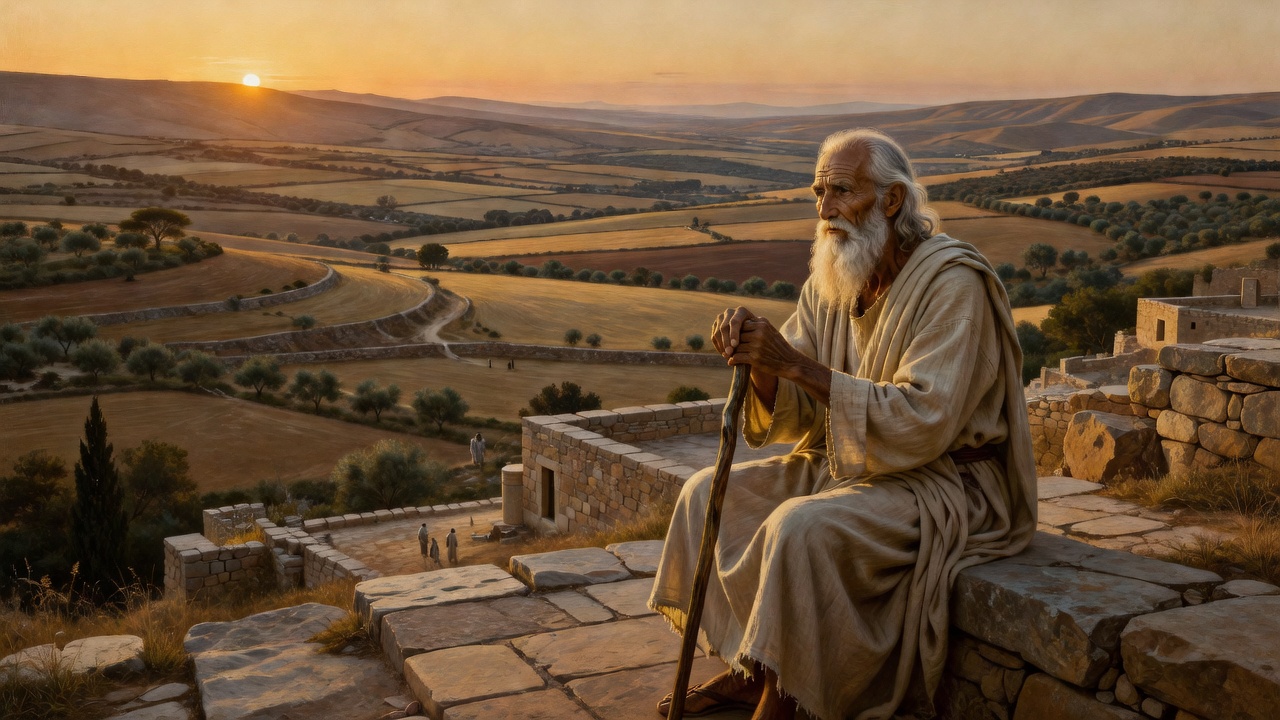
- The psalm is framed as reflection from a lifetime of observation, with the speaker noting that from youth to old age he has watched how the righteous and the wicked fare. Rather than a direct prayer or lament, it functions as wisdom poetry offering counsel to remain patient and avoid fretting over the temporary success of evil.Sources: the Bible text itself
- Throughout the poem, the promise of inheriting and dwelling securely in the land is repeated as the lasting outcome for the humble and righteous. By contrast, the transient prosperity of the wicked is illustrated through agricultural imagery, such as grass that withers quickly, vanishing smoke, and a flourishing tree that abruptly disappears.Sources: the Bible text itself
Notes written with AI assistance from open sources (Theographic Bible Metadata, CC BY-SA 4.0; Easton’s Bible Dictionary, public domain) and reviewed before publishing.
Places in this chapter
- Lebanon · 33.540, 35.584 · verse 35
Only places identified with high confidence are shown (90% or more according to the scholarly sources compiled by OpenBible). Period map: DARE (Digital Atlas of the Roman Empire), CC BY 4.0; modern map: © OpenStreetMap contributors; places: OpenBible.info (CC BY 4.0).
Credits and license for this translation
כתבי הקודש
The Old Testament in ancient Hebrew, following the Masoretic Text
Public Domain
Language: עברית (Hebrew)
Dialect: Biblical/Ancient
2013-12-11
Source: http://ebible.org/hbo/ · eBible.org