Psalms 32
כתבי הקודש · Tap a verse to see its cross-references.
1לְדָוִ֗ד מַ֫שְׂכִּ֥יל אַשְׁרֵ֥י נְֽשׂוּי־פֶּ֗שַׁע כְּס֣וּי חֲטָאָֽה׃ 2אַ֥שְֽׁרֵי אָדָ֗ם לֹ֤א יַחְשֹׁ֬ב יְהוָ֣ה לֹ֣ו עָוֹ֑ן וְאֵ֖ין בְּרוּחֹ֣ו רְמִיָּה׃ 3כִּֽי־הֶ֭חֱרַשְׁתִּי בָּל֣וּ עֲצָמָ֑י בְּ֝שַׁאֲגָתִ֗י כָּל־הַיֹּֽום׃ 4כִּ֤י ׀ יֹומָ֣ם וָלַיְלָה֮ תִּכְבַּ֥ד עָלַ֗י יָ֫דֶ֥ךָ נֶהְפַּ֥ךְ לְשַׁדִּ֑י בְּחַרְבֹ֖נֵי קַ֣יִץ סֶֽלָה׃ 5חַטָּאתִ֨י אֹודִ֪יעֲךָ֡ וַעֲוֹ֘נִ֤י לֹֽא־כִסִּ֗יתִי אָמַ֗רְתִּי אֹודֶ֤ה עֲלֵ֣י פְ֭שָׁעַי לַיהוָ֑ה וְאַתָּ֨ה נָ֘שָׂ֤אתָ עֲוֹ֖ן חַטָּאתִ֣י סֶֽלָה׃ 6עַל־זֹ֡את יִתְפַּלֵּ֬ל כָּל־חָסִ֨יד ׀ אֵלֶיךָ֮ לְעֵ֪ת מְ֫צֹ֥א רַ֗ק לְ֭שֵׁטֶף מַ֣יִם רַבִּ֑ים אֵ֝לָ֗יו לֹ֣א יַגִּֽיעוּ׃ 7אַתָּ֤ה ׀ סֵ֥תֶר לִי֮ מִצַּ֪ר תִּ֫צְּרֵ֥נִי רָנֵּ֥י פַלֵּ֑ט תְּסֹ֖ובְבֵ֣נִי סֶֽלָה׃ 8אַשְׂכִּֽילְךָ֨ ׀ וְֽאֹורְךָ֗ בְּדֶֽרֶךְ־ז֥וּ תֵלֵ֑ךְ אִֽיעֲצָ֖ה עָלֶ֣יךָ עֵינִֽי׃ 9אַל־תִּֽהְי֤וּ ׀ כְּס֥וּס כְּפֶרֶד֮ אֵ֤ין הָ֫בִ֥ין בְּמֶֽתֶג־וָרֶ֣סֶן עֶדְיֹ֣ו לִבְלֹ֑ום בַּ֝֗ל קְרֹ֣ב אֵלֶֽיךָ׃ 10רַבִּ֥ים מַכְאֹובִ֗ים לָרָ֫שָׁ֥ע וְהַבֹּוטֵ֥חַ בַּיהוָ֑ה חֶ֝֗סֶד יְסֹובְבֶֽנּוּ׃ 11שִׂמְח֬וּ בַֽיהוָ֣ה וְ֭גִילוּ צַדִּיקִ֑ים וְ֝הַרְנִ֗ינוּ כָּל־יִשְׁרֵי־לֵֽב׃
Did you know?
The Joy of Forgiveness and Guidance
- The psalm opens with the title designating it as a Maskil of David, a term traditionally associated with an instructional or contemplative song, reflecting on the contrast between the distress of hidden sin and the blessing of forgiveness.Sources: the Bible text itself
- The Hebrew term Selah appears three times in this psalm (verses 4, 5, and 7), commonly interpreted as a musical pause or a moment for reflection during the recitation of the text.Sources: the Bible text itself
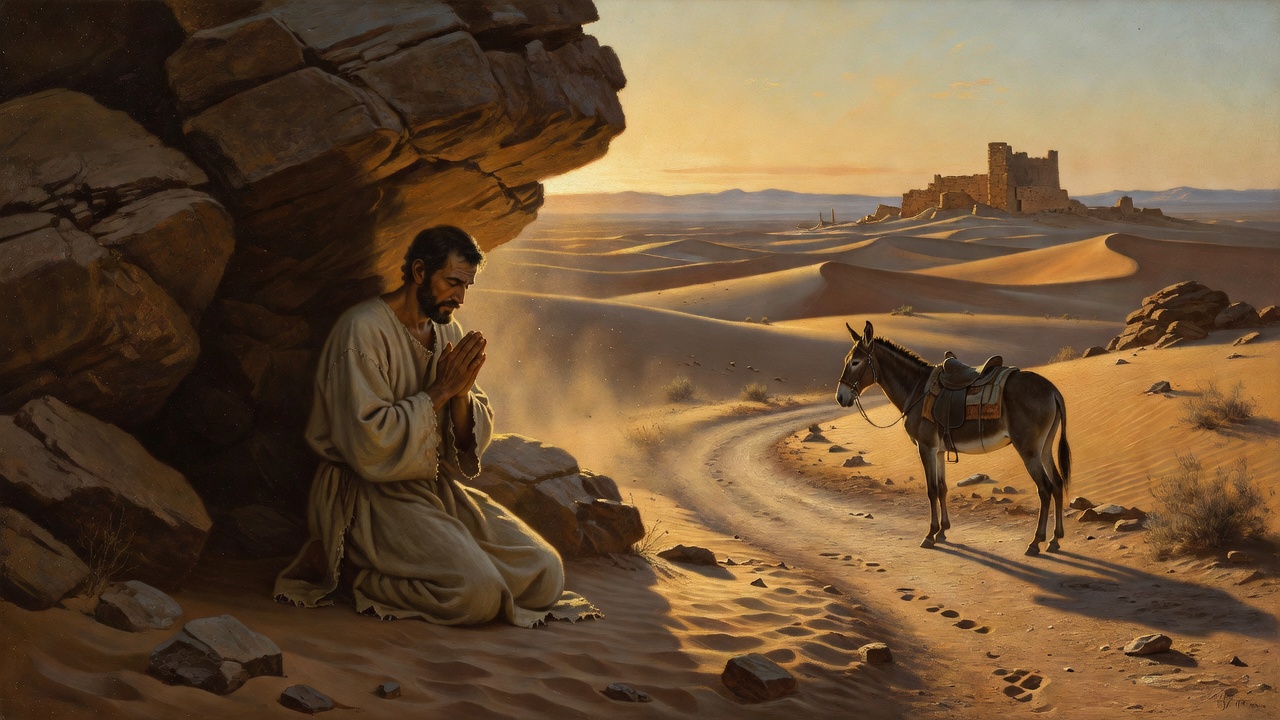
- The psalm uses the imagery of working animals, contrasting the willing follower of divine counsel with stubborn horses and mules that require a bit and bridle to be guided.Sources: the Bible text itself
Notes written with AI assistance from open sources (Theographic Bible Metadata, CC BY-SA 4.0; Easton’s Bible Dictionary, public domain) and reviewed before publishing.
Credits and license for this translation
כתבי הקודש
The Old Testament in ancient Hebrew, following the Masoretic Text
Public Domain
Language: עברית (Hebrew)
Dialect: Biblical/Ancient
2013-12-11
Source: http://ebible.org/hbo/ · eBible.org