Psalms 27
כתבי הקודש · Tap a verse to see its cross-references.
1לְדָוִ֨ד ׀ יְהוָ֤ה ׀ אֹורִ֣י וְ֭יִשְׁעִי מִמִּ֣י אִירָ֑א יְהוָ֥ה מָֽעֹוז־חַ֝יַּ֗י מִמִּ֥י אֶפְחָֽד׃ 2בִּקְרֹ֤ב עָלַ֨י ׀ מְרֵעִים֮ לֶאֱכֹ֪ל אֶת־בְּשָׂ֫רִ֥י צָרַ֣י וְאֹיְבַ֣י לִ֑י הֵ֖מָּה כָשְׁל֣וּ וְנָפָֽלוּ׃ 3אִם־תַּחֲנֶ֬ה עָלַ֨י ׀ מַחֲנֶה֮ לֹֽא־יִירָ֪א לִ֫בִּ֥י אִם־תָּק֣וּם עָ֭לַי מִלְחָמָ֑ה בְּ֝זֹ֗את אֲנִ֣י בֹוטֵֽחַ׃ 4אַחַ֤ת ׀ שָׁאַ֣לְתִּי מֵֽאֵת־יְהוָה֮ אֹותָ֪הּ אֲבַ֫קֵּ֥שׁ שִׁבְתִּ֣י בְּבֵית־יְ֭הוָה כָּל־יְמֵ֣י חַיַּ֑י לַחֲזֹ֥ות בְּנֹֽעַם־יְ֝הוָ֗ה וּלְבַקֵּ֥ר בְּהֵיכָלֹֽו׃ 5כִּ֤י יִצְפְּנֵ֨נִי ׀ בְּסֻכֹּה֮ בְּיֹ֪ום רָ֫עָ֥ה יַ֭סְתִּרֵנִי בְּסֵ֣תֶר אָהֳלֹ֑ו בְּ֝צ֗וּר יְרֹומְמֵֽנִי׃ 6וְעַתָּ֨ה יָר֪וּם רֹאשִׁ֡י עַ֤ל אֹֽיְבַ֬י סְֽבִיבֹותַ֗י וְאֶזְבְּחָ֣ה בְ֭אָהֳלֹו זִבְחֵ֣י תְרוּעָ֑ה אָשִׁ֥ירָה וַ֝אֲזַמְּרָ֗ה לַיהוָֽה׃ 7שְׁמַע־יְהוָ֖ה קֹולִ֥י אֶקְרָ֗א וְחָנֵּ֥נִי וַעֲנֵֽנִי׃ 8לְךָ֤ ׀ אָמַ֣ר לִ֭בִּי בַּקְּשׁ֣וּ פָנָ֑י אֶת־פָּנֶ֖יךָ יְהוָ֣ה אֲבַקֵּֽשׁ׃ 9אַל־תַּסְתֵּ֬ר פָּנֶ֨יךָ ׀ מִמֶּנִּי֮ אַֽל־תַּט־בְּאַ֗ף עַ֫בְדֶּ֥ךָ עֶזְרָתִ֥י הָיִ֑יתָ אַֽל־תִּטְּשֵׁ֥נִי וְאַל־תַּֽ֝עַזְבֵ֗נִי אֱלֹהֵ֥י יִשְׁעִֽי׃ 10כִּי־אָבִ֣י וְאִמִּ֣י עֲזָב֑וּנִי וַֽיהוָ֣ה יַֽאַסְפֵֽנִי׃ 11הֹ֤ורֵ֥נִי יְהוָ֗ה דַּ֫רְכֶּ֥ךָ וּ֭נְחֵנִי בְּאֹ֣רַח מִישֹׁ֑ור לְ֝מַ֗עַן שֹׁורְרָֽי׃ 12אַֽל־תִּ֭תְּנֵנִי בְּנֶ֣פֶשׁ צָרָ֑י כִּ֥י קָֽמוּ־בִ֥י עֵֽדֵי־שֶׁ֝֗קֶר וִיפֵ֥חַ חָמָֽס׃ 13ל̣ׄוּלֵ̣֗ׄא̣ׄ הֶ֭אֱמַנְתִּי לִרְאֹ֥ות בְּֽטוּב־יְהוָ֗ה בְּאֶ֣רֶץ חַיִּֽים׃ 14קַוֵּ֗ה אֶל־יְה֫וָ֥ה חֲ֭זַק וְיַאֲמֵ֣ץ לִבֶּ֑ךָ וְ֝קַוֵּ֗ה אֶל־יְהוָֽה׃
Did you know?
Confidence in God's Protection and Presence
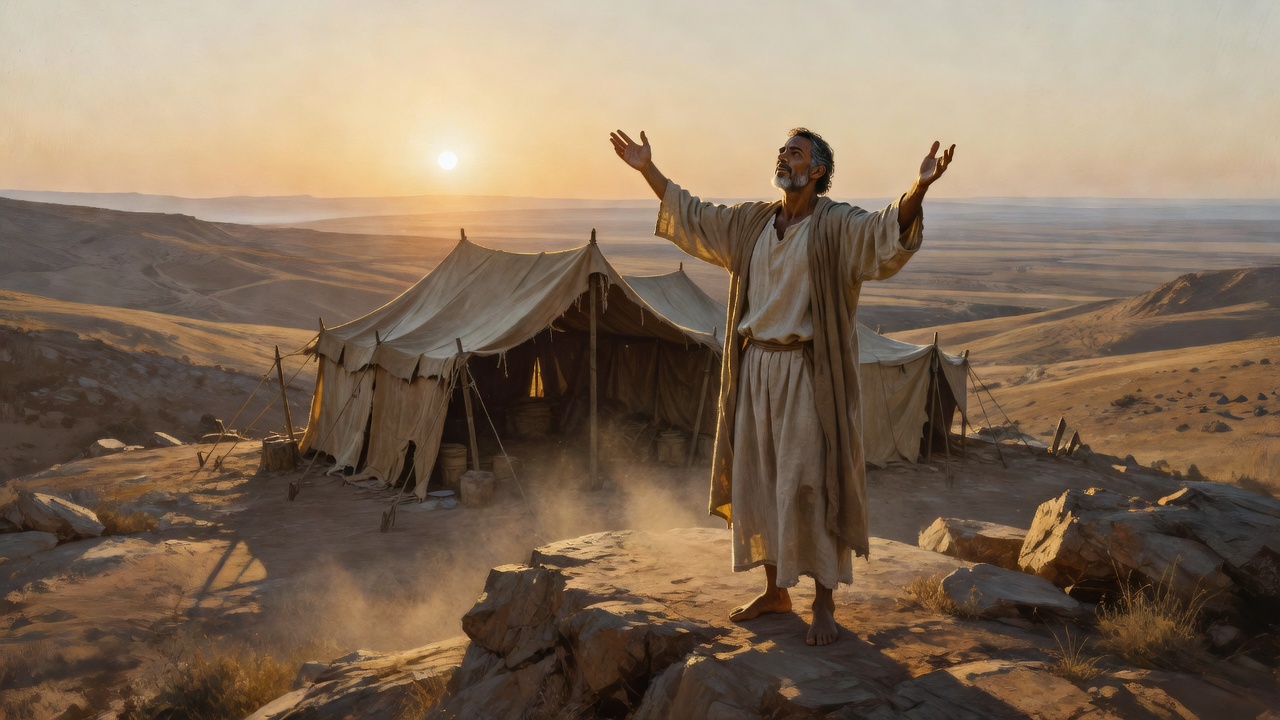
- The psalm repeatedly associates divine security with sacred space, portraying God's presence as a shelter, a tent, and a house where the worshiper can gaze upon God's beauty and offer joyful sacrifices with music.Sources: the Bible text itself
- The threats described range from besieging armies and violent warfare to personal legal peril, specifically false witnesses who rise up breathing violence against the psalmist.Sources: the Bible text itself
- The expression to seek God's face is central to the psalmist's plea, representing a desire for direct relational communion and favor rather than divine concealment or abandonment.Sources: the Bible text itself
Notes written with AI assistance from open sources (Theographic Bible Metadata, CC BY-SA 4.0; Easton’s Bible Dictionary, public domain) and reviewed before publishing.
Credits and license for this translation
כתבי הקודש
The Old Testament in ancient Hebrew, following the Masoretic Text
Public Domain
Language: עברית (Hebrew)
Dialect: Biblical/Ancient
2013-12-11
Source: http://ebible.org/hbo/ · eBible.org