Leviticus 1
כתבי הקודש · Tap a verse to see its cross-references.
About this book
About Leviticus
- Easton's Bible Dictionary (1897) presents Leviticus as the third book of the Pentateuch and as the third book of Moses. The name, used in the Vulgate following the LXX, reflects the book's chief concern: the Levitical service.Sources: Easton: Leviticus
- Easton states that every ordinance in the book was delivered within one month, the first month of the second year after the Exodus. His entry on Sinai, also called Horeb, says the Hebrews reached that mountain district in the third month after the Exodus and remained encamped for about a whole year, and that the whole of Leviticus records what occurred there.Sources: Easton: Leviticus · Mount Sinai
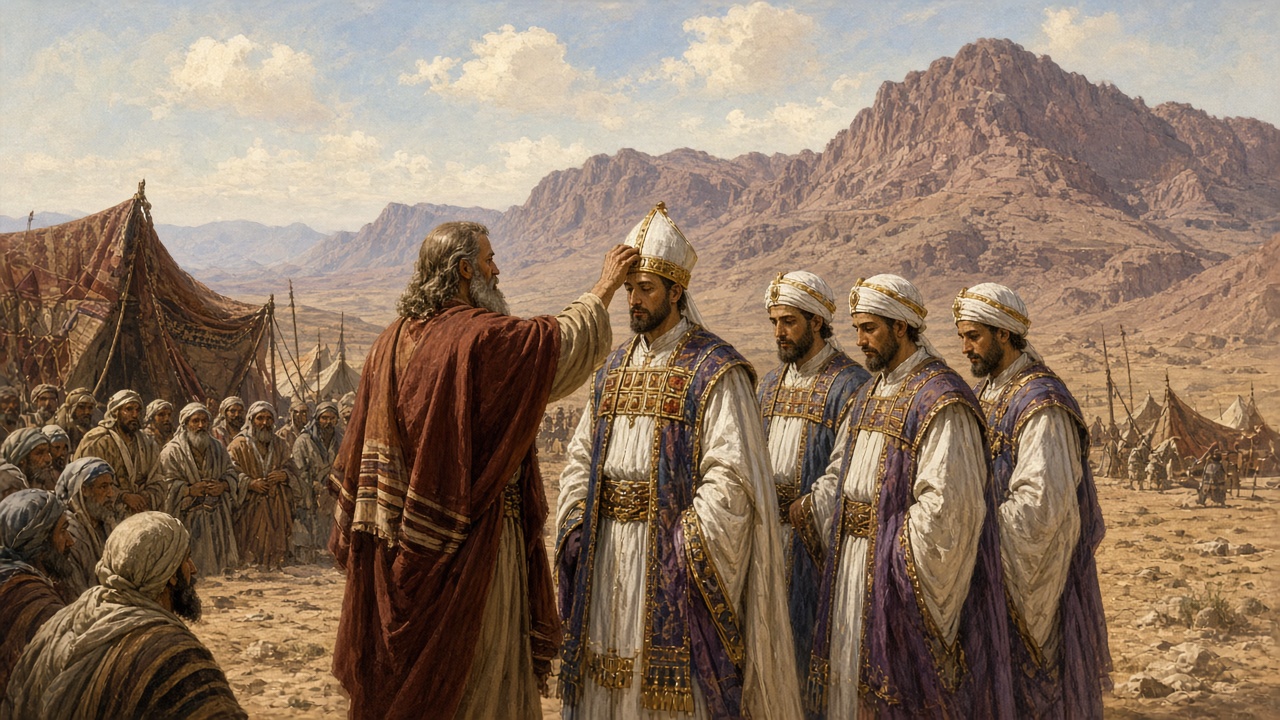
- Chapters 1–7 give laws for burnt offerings, meat offerings, and thank offerings, then for sin offerings and trespass offerings, and for the priests' duties in offering sacrifice. Chapters 8–10 recount the consecration of Aaron and his sons, Aaron's first offering for himself and the people, and the death of Nadab and Abihu, who were struck dead and buried outside the camp after offering strange, or common, fire not taken from the great brazen altar. Chapters 11–16 concern purity and the sacrifices and ordinances for putting impurity away.Sources: Easton: Leviticus · Nadab · Abihu
- Easton describes chapters 17–20 as laws marking the separation between Israel and other peoples. Further laws concern the priests' personal purity and their eating of holy things, offerings without blemish, and the due celebration of the great festivals in chapters 23 and 25. Promises and warnings about obedience follow, the book closes with a section on vows, and Easton notes that God is the direct speaker through almost the whole of it.Sources: Easton: Leviticus
- In the rites of chapter 16, one goat is associated with Azazel, which the Authorized Version renders scapegoat and the Revised Version leaves as Azazel. Easton reports that some Jewish interpreters take it as a place in the wilderness about twelve miles east of Jerusalem, while others take it as an evil spirit or even Satan, and he also notes a root meaning of separation.Sources: Azazel
Notes written with AI assistance from open sources (Theographic Bible Metadata, CC BY-SA 4.0; Easton’s Bible Dictionary, public domain) and reviewed before publishing.
1וַיִּקְרָ֖א אֶל־מֹשֶׁ֑ה וַיְדַבֵּ֤ר יְהוָה֙ אֵלָ֔יו מֵאֹ֥הֶל מֹועֵ֖ד לֵאמֹֽר׃ 2דַּבֵּ֞ר אֶל־בְּנֵ֤י יִשְׂרָאֵל֙ וְאָמַרְתָּ֣ אֲלֵהֶ֔ם אָדָ֗ם כִּֽי־יַקְרִ֥יב מִכֶּ֛ם קָרְבָּ֖ן לַֽיהוָ֑ה מִן־הַבְּהֵמָ֗ה מִן־הַבָּקָר֙ וּמִן־הַצֹּ֔אן תַּקְרִ֖יבוּ אֶת־קָרְבַּנְכֶֽם׃ 3אִם־עֹלָ֤ה קָרְבָּנֹו֙ מִן־הַבָּקָ֔ר זָכָ֥ר תָּמִ֖ים יַקְרִיבֶ֑נּוּ אֶל־פֶּ֝תַח אֹ֤הֶל מֹועֵד֙ יַקְרִ֣יב אֹתֹ֔ו לִרְצֹנֹ֖ו לִפְנֵ֥י יְהוָֽה׃ 4וְסָמַ֣ךְ יָדֹ֔ו עַ֖ל רֹ֣אשׁ הָעֹלָ֑ה וְנִרְצָ֥ה לֹ֖ו לְכַפֵּ֥ר עָלָֽיו׃ 5וְשָׁחַ֛ט אֶת־בֶּ֥ן הַבָּקָ֖ר לִפְנֵ֣י יְהוָ֑ה וְ֠הִקְרִיבוּ בְּנֵ֨י אַהֲרֹ֤ן הֽ͏ַכֹּֽהֲנִים֙ אֶת־הַדָּ֔ם וְזָרְק֨וּ אֶת־הַדָּ֤ם עַל־הַמִּזְבֵּ֙חַ֙ סָבִ֔יב אֲשֶׁר־פֶּ֖תַח אֹ֥הֶל מֹועֵֽד׃ 6וְהִפְשִׁ֖יט אֶת־הָעֹלָ֑ה וְנִתַּ֥ח אֹתָ֖הּ לִנְתָחֶֽיהָ׃ 7וְ֠נָתְנוּ בְּנֵ֨י אַהֲרֹ֧ן הַכֹּהֵ֛ן אֵ֖שׁ עַל־הַמִּזְבֵּ֑חַ וְעָרְכ֥וּ עֵצִ֖ים עַל־הָאֵֽשׁ׃ 8וְעָרְכ֗וּ בְּנֵ֤י אַהֲרֹן֙ הַכֹּ֣הֲנִ֔ים אֵ֚ת הַנְּתָחִ֔ים אֶת־הָרֹ֖אשׁ וְאֶת־הַפָּ֑דֶר עַל־הָעֵצִים֙ אֲשֶׁ֣ר עַל־הָאֵ֔שׁ אֲשֶׁ֖ר עַל־הַמִּזְבֵּֽחַ׃ 9וְקִרְבֹּ֥ו וּכְרָעָ֖יו יִרְחַ֣ץ בַּמָּ֑יִם וְהִקְטִ֨יר הַכֹּהֵ֤ן אֶת־הַכֹּל֙ הַמִּזְבֵּ֔חָה עֹלָ֛ה אִשֵּׁ֥ה רֵֽיחַ־נִיחֹ֖וחַ לַֽיהוָֽה׃ ס 10וְאִם־מִן־הַצֹּ֨אן קָרְבָּנֹ֧ו מִן־הַכְּשָׂבִ֛ים אֹ֥ו מִן־הָעִזִּ֖ים לְעֹלָ֑ה זָכָ֥ר תָּמִ֖ים יַקְרִיבֶֽנּוּ׃ 11וְשָׁחַ֨ט אֹתֹ֜ו עַ֣ל יֶ֧רֶךְ הַמִּזְבֵּ֛חַ צָפֹ֖נָה לִפְנֵ֣י יְהוָ֑ה וְזָרְק֡וּ בְּנֵי֩ אַהֲרֹ֨ן הַכֹּהֲנִ֧ים אֶת־דָּמֹ֛ו עַל־הַמִּזְבֵּ֖חַ סָבִֽיב׃ 12וְנִתַּ֤ח אֹתֹו֙ לִנְתָחָ֔יו וְאֶת־רֹאשֹׁ֖ו וְאֶת־פִּדְרֹ֑ו וְעָרַ֤ךְ הַכֹּהֵן֙ אֹתָ֔ם עַל־הָֽעֵצִים֙ אֲשֶׁ֣ר עַל־הָאֵ֔שׁ אֲשֶׁ֖ר עַל־הַמִּזְבֵּֽחַ׃ 13וְהַקֶּ֥רֶב וְהַכְּרָעַ֖יִם יִרְחַ֣ץ בַּמָּ֑יִם וְהִקְרִ֨יב הַכֹּהֵ֤ן אֶת־הַכֹּל֙ וְהִקְטִ֣יר הַמִּזְבֵּ֔חָה עֹלָ֣ה ה֗וּא אִשֵּׁ֛ה רֵ֥יחַ נִיחֹ֖חַ לַיהוָֽה׃ פ 14וְאִ֧ם מִן־הָעֹ֛וף עֹלָ֥ה קָרְבָּנֹ֖ו לַֽיהוָ֑ה וְהִקְרִ֣יב מִן־הַתֹּרִ֗ים אֹ֛ו מִן־בְּנֵ֥י הַיֹּונָ֖ה אֶת־קָרְבָּנֹֽו׃ 15וְהִקְרִיבֹ֤ו הַכֹּהֵן֙ אֶל־הַמִּזְבֵּ֔חַ וּמָלַק֙ אֶת־רֹאשֹׁ֔ו וְהִקְטִ֖יר הַמִּזְבֵּ֑חָה וְנִמְצָ֣ה דָמֹ֔ו עַ֖ל קִ֥יר הַמִּזְבֵּֽחַ׃ 16וְהֵסִ֥יר אֶת־מֻרְאָתֹ֖ו בְּנֹצָתָ֑הּ וְהִשְׁלִ֨יךְ אֹתָ֜הּ אֵ֤צֶל הַמִּזְבֵּ֙חַ֙ קֵ֔דְמָה אֶל־מְקֹ֖ום הַדָּֽשֶׁן׃ 17וְשִׁסַּ֨ע אֹתֹ֣ו בִכְנָפָיו֮ לֹ֣א יַבְדִּיל֒ וְהִקְטִ֨יר אֹתֹ֤ו הַכֹּהֵן֙ הַמִּזְבֵּ֔חָה עַל־הָעֵצִ֖ים אֲשֶׁ֣ר עַל־הָאֵ֑שׁ עֹלָ֣ה ה֗וּא אִשֵּׁ֛ה רֵ֥יחַ נִיחֹ֖חַ לַיהוָֽה׃ ס
Did you know?
The Burnt Offering
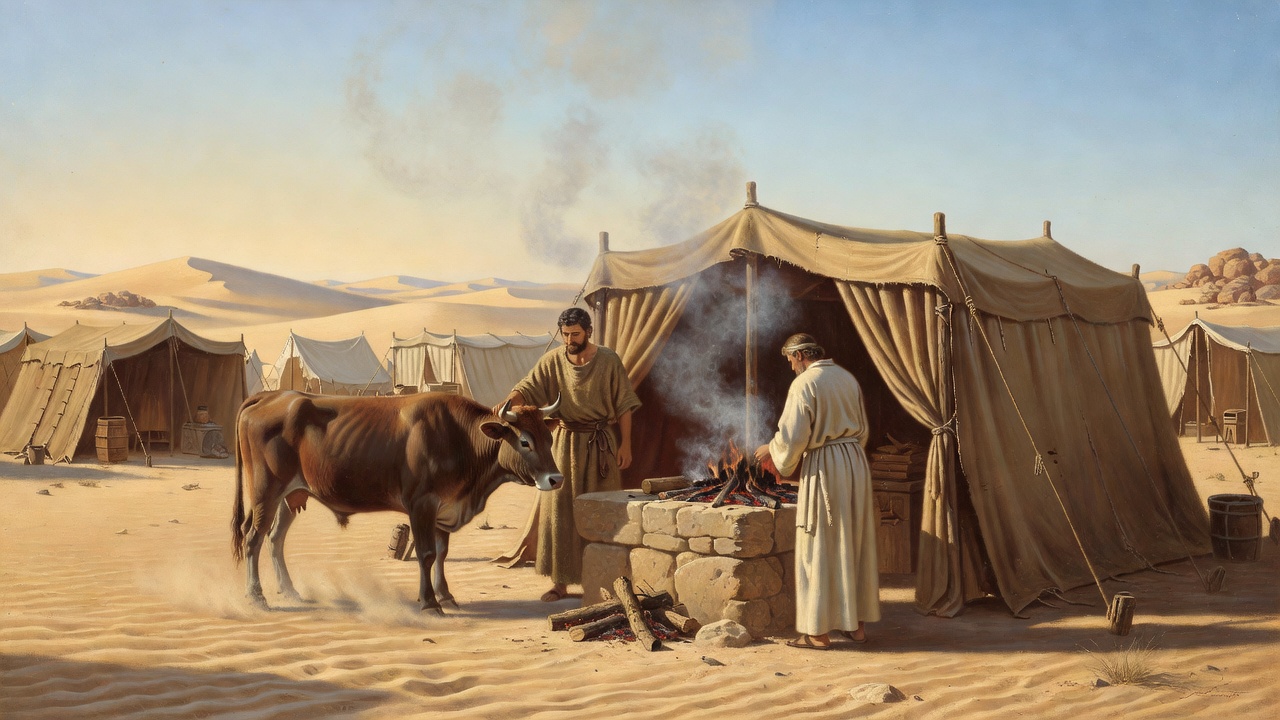
- The instructions for the burnt offering accommodate different economic means by allowing offerings from the herd, the flock (sheep or goats), or birds (turtledoves or young pigeons). For livestock, the animal was required to be a male without blemish.Sources: the Bible text itself
- The ritual required a clear division of roles between the worshiper and the priests. The worshiper brought the animal, laid a hand on its head for atonement, slaughtered it, skinned it, and washed its inner parts, while the sons of Aaron sprinkled the blood and burned the entire offering on the altar.Sources: the Bible text itself · Aaron
Notes written with AI assistance from open sources (Theographic Bible Metadata, CC BY-SA 4.0; Easton’s Bible Dictionary, public domain) and reviewed before publishing.
Credits and license for this translation
כתבי הקודש
The Old Testament in ancient Hebrew, following the Masoretic Text
Public Domain
Language: עברית (Hebrew)
Dialect: Biblical/Ancient
2013-12-11
Source: http://ebible.org/hbo/ · eBible.org