Job 20
כתבי הקודש · Tap a verse to see its cross-references.
1וַ֭יַּעַן צֹפַ֥ר הַנַּֽעֲמָתִ֗י וַיֹּאמַֽר׃ 2לָ֭כֵן שְׂעִפַּ֣י יְשִׁיב֑וּנִי וּ֝בַעֲב֗וּר ח֣וּשִׁי בִֽי׃ 3מוּסַ֣ר כְּלִמָּתִ֣י אֶשְׁמָ֑ע וְ֝ר֗וּחַ מִֽבִּינָתִ֥י יַעֲנֵֽנִי׃ 4הֲזֹ֣את יָ֭דַעְתָּ מִנִּי־עַ֑ד מִנִּ֤י שִׂ֖ים אָדָ֣ם עֲלֵי־אָֽרֶץ׃ 5כִּ֤י רִנְנַ֣ת רְ֭שָׁעִים מִקָּרֹ֑וב וְשִׂמְחַ֖ת חָנֵ֣ף עֲדֵי־רָֽגַע׃ 6אִם־יַעֲלֶ֣ה לַשָּׁמַ֣יִם שִׂיאֹ֑ו וְ֝רֹאשֹׁ֗ו לָעָ֥ב יַגִּֽיעַ׃ 7כְּֽ֭גֶלֲלֹו לָנֶ֣צַח יֹאבֵ֑ד רֹ֝אָ֗יו יֹאמְר֥וּ אַיֹּֽו׃ 8כַּחֲלֹ֣ום יָ֭עוּף וְלֹ֣א יִמְצָא֑וּהוּ וְ֝יֻדַּ֗ד כְּחֶזְיֹ֥ון לָֽיְלָה׃ 9עַ֣יִן שְׁ֭זָפַתּוּ וְלֹ֣א תֹוסִ֑יף וְלֹא־עֹ֝֗וד תְּשׁוּרֶ֥נּוּ מְקֹומֹֽו׃ 10בָּ֭נָיו יְרַצּ֣וּ דַלִּ֑ים וְ֝יָדָ֗יו תָּשֵׁ֥בְנָה אֹונֹֽו׃ 11עַ֭צְמֹותָיו מָלְא֣וּ *עֲלוּמֹו (עֲלוּמָ֑יו) וְ֝עִמֹּ֗ו עַל־עָפָ֥ר תִּשְׁכָּֽב׃ 12אִם־תַּמְתִּ֣יק בְּפִ֣יו רָעָ֑ה יַ֝כְחִידֶ֗נָּה תַּ֣חַת לְשֹׁונֹֽו׃ 13יַחְמֹ֣ל עָ֭לֶיהָ וְלֹ֣א יַֽעַזְבֶ֑נָּה וְ֝יִמְנָעֶ֗נָּה בְּתֹ֣וךְ חִכֹּֽו׃ 14לַ֭חְמֹו בְּמֵעָ֣יו נֶהְפָּ֑ךְ מְרֹורַ֖ת פְּתָנִ֣ים בְּקִרְבֹּֽו׃ 15חַ֣יִל בָּ֭לַע וַיְקִאֶ֑נּוּ מִ֝בִּטְנֹ֗ו יֹֽורִשֶׁ֥נּוּ אֵֽל׃ 16רֹאשׁ־פְּתָנִ֥ים יִינָ֑ק תַּֽ֝הַרְגֵ֗הוּ לְשֹׁ֣ון אֶפְעֶֽה׃ 17אַל־יֵ֥רֶא בִפְלַגֹּ֑ות נַהֲרֵ֥י נַ֝חֲלֵ֗י דְּבַ֣שׁ וְחֶמְאָֽה׃ 18מֵשִׁ֣יב יָ֭גָע וְלֹ֣א יִבְלָ֑ע כְּחֵ֥יל תְּ֝מוּרָתֹ֗ו וְלֹ֣א יַעֲלֹֽס׃ 19כִּֽי־רִ֭צַּץ עָזַ֣ב דַּלִּ֑ים בַּ֥יִת גָּ֝זַ֗ל וְלֹ֣א יִבֶנֵֽהוּ׃ 20כִּ֤י ׀ לֹא־יָדַ֣ע שָׁלֵ֣ו בְּבִטְנֹ֑ו בַּ֝חֲמוּדֹ֗ו לֹ֣א יְמַלֵּֽט׃ 21אֵין־שָׂרִ֥יד לְאָכְלֹ֑ו עַל־כֵּ֝֗ן לֹא־יָחִ֥יל טוּבֹֽו׃ 22בִּמְלֹ֣אות שִׂ֭פְקֹו יֵ֣צֶר לֹ֑ו כָּל־יַ֖ד עָמֵ֣ל תְּבֹואֶֽנּוּ׃ 23יְהִ֤י ׀ לְמַלֵּ֬א בִטְנֹ֗ו יְֽשַׁלַּח־בֹּ֖ו חֲרֹ֣ון אַפֹּ֑ו וְיַמְטֵ֥ר עָ֝לֵ֗ימֹו בִּלְחוּמֹֽו׃ 24יִ֭בְרַח מִנֵּ֣שֶׁק בַּרְזֶ֑ל תַּ֝חְלְפֵ֗הוּ קֶ֣שֶׁת נְחוּשָֽׁה׃ 25שָׁלַף֮ וַיֵּצֵ֪א מִגֵּ֫וָ֥ה וּ֭בָרָק מִֽמְּרֹרָתֹ֥ו יַהֲלֹ֗ךְ עָלָ֥יו אֵמִֽים׃ 26כָּל־חֹשֶׁךְ֮ טָמ֪וּן לִצְפּ֫וּנָ֥יו תְּ֭אָכְלֵהוּ אֵ֣שׁ לֹֽא־נֻפָּ֑ח יֵ֖רַע שָׂרִ֣יד בְּאָהֳלֹֽו׃ 27יְגַלּ֣וּ שָׁמַ֣יִם עֲוֹנֹ֑ו וְ֝אֶ֗רֶץ מִתְקֹומָ֘מָ֥ה לֹֽו׃ 28יִ֭גֶל יְב֣וּל בֵּיתֹ֑ו נִ֝גָּרֹ֗ות בְּיֹ֣ום אַפֹּֽו׃ 29זֶ֤ה ׀ חֵֽלֶק־אָדָ֣ם רָ֭שָׁע מֵאֱלֹהִ֑ים וְנַחֲלַ֖ת אִמְרֹ֣ו מֵאֵֽל׃ פ
Did you know?
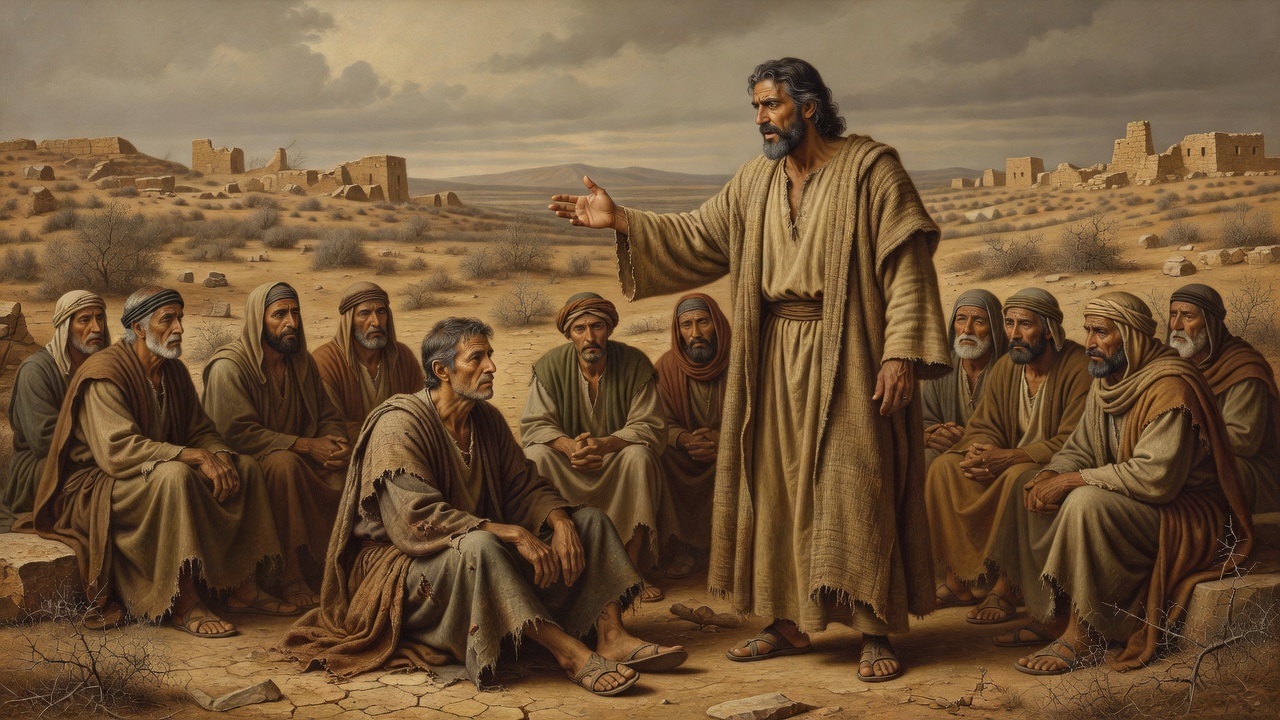
Zophar on the Fate of the Wicked
- Zophar is identified as a Naamathite, pointing to an otherwise unknown location named Naamah. In the ancient Greek Septuagint translation of the Hebrew Scriptures, he is described as a king of the Mineans or Maonites from southern Arabia.Sources: Zophar · the Bible text itself
- In his speech, Zophar uses metaphors of digestion and venom, asserting that ill-gotten wealth turns into the poison of vipers and cobras within the stomach of the wicked person.Sources: the Bible text itself
- Zophar also incorporates military imagery from the ancient world, describing a fleeing transgressor escaping an iron weapon only to be struck down by a bronze-tipped arrow.Sources: the Bible text itself
Notes written with AI assistance from open sources (Theographic Bible Metadata, CC BY-SA 4.0; Easton’s Bible Dictionary, public domain) and reviewed before publishing.
Credits and license for this translation
כתבי הקודש
The Old Testament in ancient Hebrew, following the Masoretic Text
Public Domain
Language: עברית (Hebrew)
Dialect: Biblical/Ancient
2013-12-11
Source: http://ebible.org/hbo/ · eBible.org