Job 2
כתבי הקודש · Tap a verse to see its cross-references.
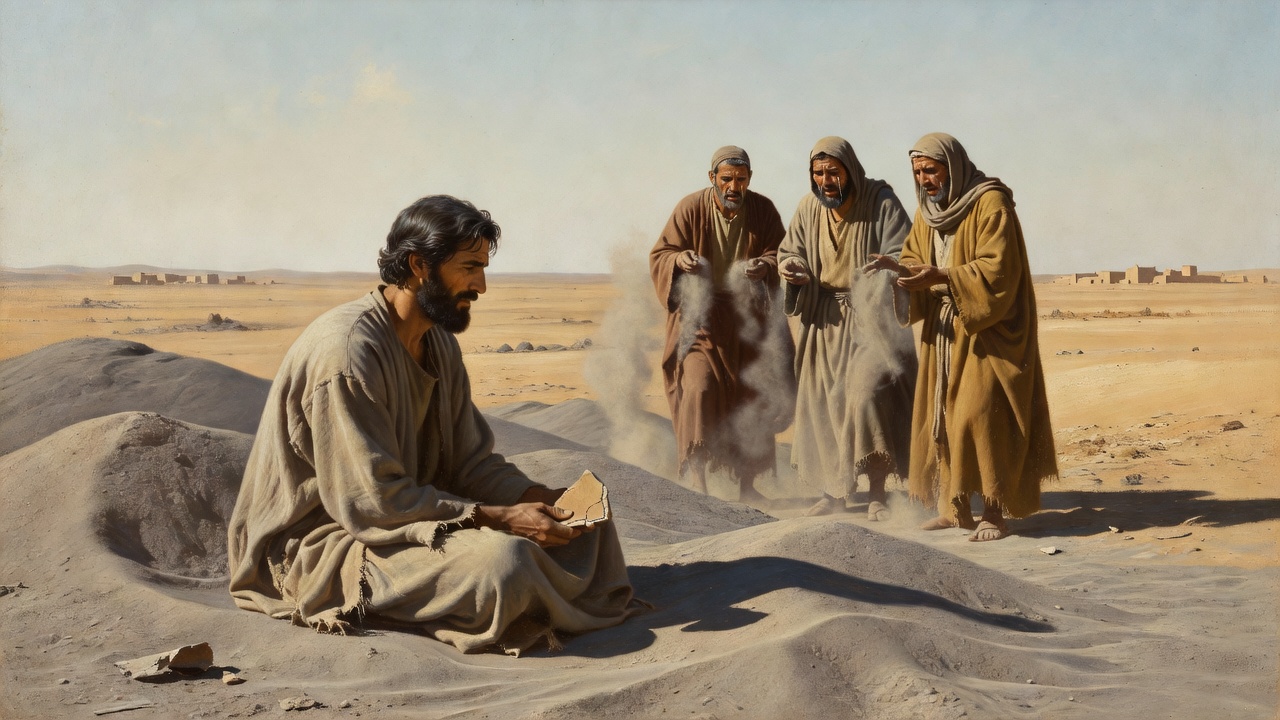
1וַיְהִ֣י הַיֹּ֔ום וַיָּבֹ֙אוּ֙ בְּנֵ֣י הָֽאֱלֹהִ֔ים לְהִתְיַצֵּ֖ב עַל־יְהוָ֑ה וַיָּבֹ֤וא גַֽם־הַשָּׂטָן֙ בְּתֹכָ֔ם לְהִתְיַצֵּ֖ב עַל־יְהוָֽה׃ 2וַיֹּ֤אמֶר יְהוָה֙ אֶל־הַשָּׂטָ֔ן אֵ֥י מִזֶּ֖ה תָּבֹ֑א וַיַּ֨עַן הַשָּׂטָ֤ן אֶת־יְהוָה֙ וַיֹּאמַ֔ר מִשֻּׁ֣ט בָּאָ֔רֶץ וּמֵהִתְהַלֵּ֖ךְ בָּֽהּ׃ 3וַיֹּ֨אמֶר יְהוָ֜ה אֶל־הַשָּׂטָ֗ן הֲשַׂ֣מְתָּ לִבְּךָ֮ אֶל־עַבְדִּ֣י אִיֹּוב֒ כִּי֩ אֵ֨ין כָּמֹ֜הוּ בָּאָ֗רֶץ אִ֣ישׁ תָּ֧ם וְיָשָׁ֛ר יְרֵ֥א אֱלֹהִ֖ים וְסָ֣ר מֵרָ֑ע וְעֹדֶ֙נּוּ֙ מַחֲזִ֣יק בְּתֻמָּתֹ֔ו וַתְּסִיתֵ֥נִי בֹ֖ו לְבַלְּעֹ֥ו חִנָּֽם׃ 4וַיַּ֧עַן הַשָּׂטָ֛ן אֶת־יְהוָ֖ה וַיֹּאמַ֑ר עֹ֣ור בְּעַד־עֹ֗ור וְכֹל֙ אֲשֶׁ֣ר לָאִ֔ישׁ יִתֵּ֖ן בְּעַ֥ד נַפְשֹֽׁו׃ 5אוּלָם֙ שְֽׁלַֽח־נָ֣א יָֽדְךָ֔ וְגַ֥ע אֶל־עַצְמֹ֖ו וְאֶל־בְּשָׂרֹ֑ו אִם־לֹ֥א אֶל־פָּנֶ֖יךָ יְבָרֲכֶֽךָּ׃ 6וַיֹּ֧אמֶר יְהוָ֛ה אֶל־הַשָּׂטָ֖ן הִנֹּ֣ו בְיָדֶ֑ךָ אַ֖ךְ אֶת־נַפְשֹׁ֥ו שְׁמֹֽר׃ 7וַיֵּצֵא֙ הַשָּׂטָ֔ן מֵאֵ֖ת פְּנֵ֣י יְהוָ֑ה וַיַּ֤ךְ אֶת־אִיֹּוב֙ בִּשְׁחִ֣ין רָ֔ע מִכַּ֥ף רַגְלֹ֖ו *עַד (וְעַ֥ד) קָדְקֳדֹֽו׃ 8וַיִּֽקַּֽח־לֹ֣ו חֶ֔רֶשׂ לְהִתְגָּרֵ֖ד בֹּ֑ו וְה֖וּא יֹשֵׁ֥ב בְּתֹוךְ־הָאֵֽפֶר׃ 9וַתֹּ֤אמֶר לֹו֙ אִשְׁתֹּ֔ו עֹדְךָ֖ מַחֲזִ֣יק בְּתֻמָּתֶ֑ךָ בָּרֵ֥ךְ אֱלֹהִ֖ים וָמֻֽת׃ 10וַיֹּ֣אמֶר אֵלֶ֗יהָ כְּדַבֵּ֞ר אַחַ֤ת הַנְּבָלֹות֙ תְּדַבֵּ֔רִי גַּ֣ם אֶת־הַטֹּ֗וב נְקַבֵּל֙ מֵאֵ֣ת הָאֱלֹהִ֔ים וְאֶת־הָרָ֖ע לֹ֣א נְקַבֵּ֑ל בְּכָל־זֹ֛את לֹא־חָטָ֥א אִיֹּ֖וב בִּשְׂפָתָֽיו׃ פ 11וַֽיִּשְׁמְע֞וּ שְׁלֹ֣שֶׁת ׀ רֵעֵ֣י אִיֹּ֗וב אֵ֣ת כָּל־הָרָעָ֣ה הַזֹּאת֮ הַבָּ֣אָה עָלָיו֒ וַיָּבֹ֙אוּ֙ אִ֣ישׁ מִמְּקֹמֹ֔ו אֱלִיפַ֤ז הַתֵּימָנִי֙ וּבִלְדַּ֣ד הַשּׁוּחִ֔י וְצֹופַ֖ר הַנַּֽעֲמָתִ֑י וַיִּוָּעֲד֣וּ יַחְדָּ֔ו לָבֹ֥וא לָנֽוּד־לֹ֖ו וּֽלְנַחֲמֹֽו׃ 12וַיִּשְׂא֨וּ אֶת־עֵינֵיהֶ֤ם מֵרָחֹוק֙ וְלֹ֣א הִכִּירֻ֔הוּ וַיִּשְׂא֥וּ קֹולָ֖ם וַיִּבְכּ֑וּ וַֽיִּקְרְעוּ֙ אִ֣ישׁ מְעִלֹ֔ו וַיִּזְרְק֥וּ עָפָ֛ר עַל־רָאשֵׁיהֶ֖ם הַשָּׁמָֽיְמָה׃ 13וַיֵּשְׁב֤וּ אִתֹּו֙ לָאָ֔רֶץ שִׁבְעַ֥ת יָמִ֖ים וְשִׁבְעַ֣ת לֵילֹ֑ות וְאֵין־דֹּבֵ֤ר אֵלָיו֙ דָּבָ֔ר כִּ֣י רָא֔וּ כִּֽי־גָדַ֥ל הַכְּאֵ֖ב מְאֹֽד׃
Did you know?
Job’s Affliction and the Arrival of His Friends
- In the Hebrew text of Job, the term translated as Satan appears with the definite article as the adversary or accuser. In this second heavenly council, the adversary argues that while Job endured the loss of his wealth and family, striking his physical flesh and bones would cause him to abandon his integrity.Sources: Satan · the Bible text itself
- Job’s companions—Eliphaz the Temanite, Bildad the Shuhite, and Zophar the Naamathite—came from distant regions associated with Arabia. Bildad's background is linked to Shuah, a son of Abraham by Keturah, while the ancient Greek Septuagint translation connects Zophar to the Mineans of southern Arabia.Sources: Bildad · Zophar · the Bible text itself
- Upon seeing Job's severe suffering, his three friends tore their garments, threw dust into the air over their heads, and sat with him on the ground in complete silence for seven days and seven nights. This shared vigil reflected ancient customs of deep mourning when sorrow was too profound for words.Sources: the Bible text itself
Notes written with AI assistance from open sources (Theographic Bible Metadata, CC BY-SA 4.0; Easton’s Bible Dictionary, public domain) and reviewed before publishing.
Credits and license for this translation
כתבי הקודש
The Old Testament in ancient Hebrew, following the Masoretic Text
Public Domain
Language: עברית (Hebrew)
Dialect: Biblical/Ancient
2013-12-11
Source: http://ebible.org/hbo/ · eBible.org