Isaiah 55
כתבי הקודש · Tap a verse to see its cross-references.
1הֹ֤וי כָּל־צָמֵא֙ לְכ֣וּ לַמַּ֔יִם וַאֲשֶׁ֥ר אֵֽין־לֹ֖ו כָּ֑סֶף לְכ֤וּ שִׁבְרוּ֙ וֶֽאֱכֹ֔לוּ וּלְכ֣וּ שִׁבְר֗וּ בְּלֹוא־כֶ֛סֶף וּבְלֹ֥וא מְחִ֖יר יַ֥יִן וְחָלָֽב׃ 2לָ֤מָּה תִשְׁקְלוּ־כֶ֙סֶף֙ בְּֽלֹוא־לֶ֔חֶם וִיגִיעֲכֶ֖ם בְּלֹ֣וא לְשָׂבְעָ֑ה שִׁמְע֨וּ שָׁמֹ֤ועַ אֵלַי֙ וְאִכְלוּ־טֹ֔וב וְתִתְעַנַּ֥ג בַּדֶּ֖שֶׁן נַפְשְׁכֶֽם׃ 3הַטּ֤וּ אָזְנְכֶם֙ וּלְכ֣וּ אֵלַ֔י שִׁמְע֖וּ וּתְחִ֣י נַפְשְׁכֶ֑ם וְאֶכְרְתָ֤ה לָכֶם֙ בְּרִ֣ית עֹולָ֔ם חַֽסְדֵ֥י דָוִ֖ד הַנֶּאֱמָנִֽים׃ 4הֵ֛ן עֵ֥ד לְאוּמִּ֖ים נְתַתִּ֑יו נָגִ֥יד וּמְצַוֵּ֖ה לְאֻמִּֽים׃ 5הֵ֣ן גֹּ֤וי לֹֽא־תֵדַע֙ תִּקְרָ֔א וְגֹ֥וי לֹֽא־יְדָע֖וּךָ אֵלֶ֣יךָ יָר֑וּצוּ לְמַ֙עַן֙ יְהוָ֣ה אֱלֹהֶ֔יךָ וְלִקְדֹ֥ושׁ יִשְׂרָאֵ֖ל כִּ֥י פֵאֲרָֽךְ׃ ס 6דִּרְשׁ֥וּ יְהוָ֖ה בְּהִמָּצְאֹ֑ו קְרָאֻ֖הוּ בִּֽהְיֹותֹ֥ו קָרֹֽוב׃ 7יַעֲזֹ֤ב רָשָׁע֙ דַּרְכֹּ֔ו וְאִ֥ישׁ אָ֖וֶן מַחְשְׁבֹתָ֑יו וְיָשֹׁ֤ב אֶל־יְהוָה֙ וִֽירַחֲמֵ֔הוּ וְאֶל־אֱלֹהֵ֖ינוּ כִּֽי־יַרְבֶּ֥ה לִסְלֹֽוחַ׃ 8כִּ֣י לֹ֤א מַחְשְׁבֹותַי֙ מַחְשְׁבֹ֣ותֵיכֶ֔ם וְלֹ֥א דַרְכֵיכֶ֖ם דְּרָכָ֑י נְאֻ֖ם יְהוָֽה׃ 9כִּֽי־גָבְה֥וּ שָׁמַ֖יִם מֵאָ֑רֶץ כֵּ֣ן גָּבְה֤וּ דְרָכַי֙ מִדַּרְכֵיכֶ֔ם וּמַחְשְׁבֹתַ֖י מִמַּחְשְׁבֹתֵיכֶֽם׃ 10כִּ֡י כַּאֲשֶׁ֣ר יֵרֵד֩ הַגֶּ֨שֶׁם וְהַשֶּׁ֜לֶג מִן־הַשָּׁמַ֗יִם וְשָׁ֙מָּה֙ לֹ֣א יָשׁ֔וּב כִּ֚י אִם־הִרְוָ֣ה אֶת־הָאָ֔רֶץ וְהֹולִידָ֖הּ וְהִצְמִיחָ֑הּ וְנָ֤תַן זֶ֙רַע֙ לַזֹּרֵ֔עַ וְלֶ֖חֶם לָאֹכֵֽל׃ 11כֵּ֣ן יִֽהְיֶ֤ה דְבָרִי֙ אֲשֶׁ֣ר יֵצֵ֣א מִפִּ֔י לֹֽא־יָשׁ֥וּב אֵלַ֖י רֵיקָ֑ם כִּ֤י אִם־עָשָׂה֙ אֶת־אֲשֶׁ֣ר חָפַ֔צְתִּי וְהִצְלִ֖יחַ אֲשֶׁ֥ר שְׁלַחְתִּֽיו׃ 12כִּֽי־בְשִׂמְחָ֣ה תֵצֵ֔אוּ וּבְשָׁלֹ֖ום תּֽוּבָל֑וּן הֶהָרִ֣ים וְהַגְּבָעֹ֗ות יִפְצְח֤וּ לִפְנֵיכֶם֙ רִנָּ֔ה וְכָל־עֲצֵ֥י הַשָּׂדֶ֖ה יִמְחֲאוּ־כָֽף׃ 13תַּ֤חַת הַֽנַּעֲצוּץ֙ יַעֲלֶ֣ה בְרֹ֔ושׁ *תַחַת (וְתַ֥חַת) הַסִּרְפַּ֖ד יַעֲלֶ֣ה הֲדַ֑ס וְהָיָ֤ה לַֽיהוָה֙ לְשֵׁ֔ם לְאֹ֥ות עֹולָ֖ם לֹ֥א יִכָּרֵֽת׃ ס
Did you know?
A Free Invitation and an Everlasting Covenant
- Isaiah 55 opens with a marketplace metaphor, inviting the thirsty and impoverished to receive water, wine, milk, and bread without money. It contrasts costly labor that fails to nourish with listening to God, which brings true life and delight.Sources: the Bible text itself
- The passage promises an everlasting covenant grounded in the faithful devotion shown to David. According to biblical tradition, David was the youngest son of Jesse from Bethlehem who was appointed as a leader and witness to the nations.Sources: the Bible text itself · David
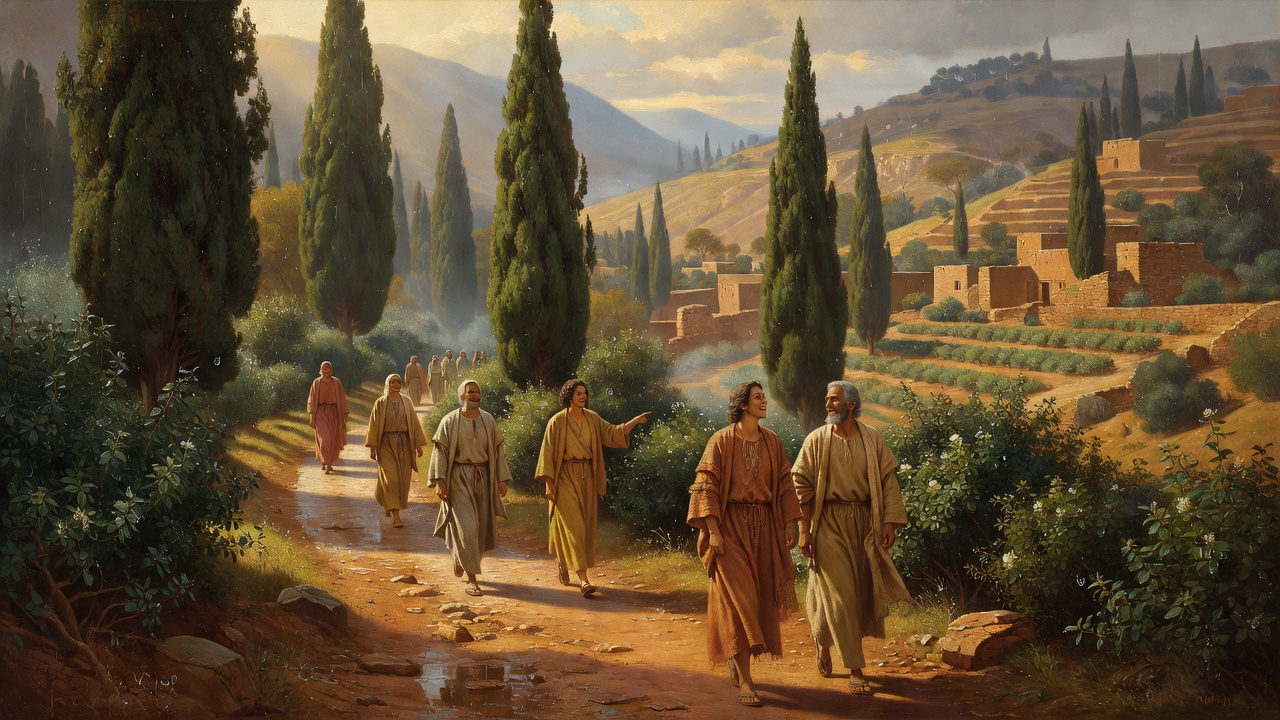
- The prophet compares the effectiveness of the divine word to rain and snow that water the earth, ensuring growth and harvest. This transformation is pictured as lush cypress and myrtle replacing desert thornbushes and briers.Sources: the Bible text itself
Notes written with AI assistance from open sources (Theographic Bible Metadata, CC BY-SA 4.0; Easton’s Bible Dictionary, public domain) and reviewed before publishing.
Credits and license for this translation
כתבי הקודש
The Old Testament in ancient Hebrew, following the Masoretic Text
Public Domain
Language: עברית (Hebrew)
Dialect: Biblical/Ancient
2013-12-11
Source: http://ebible.org/hbo/ · eBible.org