Isaiah 47
כתבי הקודש · Tap a verse to see its cross-references.
1רְדִ֣י ׀ וּשְׁבִ֣י עַל־עָפָ֗ר בְּתוּלַת֙ בַּת־בָּבֶ֔ל שְׁבִי־לָאָ֥רֶץ אֵין־כִּסֵּ֖א בַּת־כַּשְׂדִּ֑ים כִּ֣י לֹ֤א תֹוסִ֙יפִי֙ יִקְרְאוּ־לָ֔ךְ רַכָּ֖ה וַעֲנֻגָּֽה׃ 2קְחִ֥י רֵחַ֖יִם וְטַ֣חֲנִי קָ֑מַח גַּלִּ֨י צַמָּתֵ֧ךְ חֶשְׂפִּי־שֹׁ֛בֶל גַּלִּי־שֹׁ֖וק עִבְרִ֥י נְהָרֹֽות׃ 3תִּגָּל֙ עֶרְוָתֵ֔ךְ גַּ֥ם תֵּרָאֶ֖ה חֶרְפָּתֵ֑ךְ נָקָ֣ם אֶקָּ֔ח וְלֹ֥א אֶפְגַּ֖ע אָדָֽם׃ ס 4גֹּאֲלֵ֕נוּ יְהוָ֥ה צְבָאֹ֖ות שְׁמֹ֑ו קְדֹ֖ושׁ יִשְׂרָאֵֽל׃ 5שְׁבִ֥י דוּמָ֛ם וּבֹ֥אִי בַחֹ֖שֶׁךְ בַּת־כַּשְׂדִּ֑ים כִּ֣י לֹ֤א תֹוסִ֙יפִי֙ יִקְרְאוּ־לָ֔ךְ גְּבֶ֖רֶת מַמְלָכֹֽות׃ 6קָצַ֣פְתִּי עַל־עַמִּ֗י חִלַּ֙לְתִּי֙ נַחֲלָתִ֔י וָאֶתְּנֵ֖ם בְּיָדֵ֑ךְ לֹא־שַׂ֤מְתְּ לָהֶם֙ רַחֲמִ֔ים עַל־זָקֵ֕ן הִכְבַּ֥דְתְּ עֻלֵּ֖ךְ מְאֹֽד׃ 7וַתֹּ֣אמְרִ֔י לְעֹולָ֖ם אֶהְיֶ֣ה גְבָ֑רֶת עַ֣ד לֹא־שַׂ֥מְתְּ אֵ֙לֶּה֙ עַל־לִבֵּ֔ךְ לֹ֥א זָכַ֖רְתְּ אַחֲרִיתָֽהּ׃ ס 8וְעַתָּ֞ה שִׁמְעִי־זֹ֤את עֲדִינָה֙ הַיֹּושֶׁ֣בֶת לָבֶ֔טַח הָאֹֽמְרָה֙ בִּלְבָ֔בָהּ אֲנִ֖י וְאַפְסִ֣י עֹ֑וד לֹ֤א אֵשֵׁב֙ אַלְמָנָ֔ה וְלֹ֥א אֵדַ֖ע שְׁכֹֽול׃ 9וְתָבֹאנָה֩ לָּ֨ךְ שְׁתֵּי־אֵ֥לֶּה רֶ֛גַע בְּיֹ֥ום אֶחָ֖ד שְׁכֹ֣ול וְאַלְמֹ֑ן כְּתֻמָּם֙ בָּ֣אוּ עָלַ֔יִךְ בְּרֹ֣ב כְּשָׁפַ֔יִךְ בְּעָצְמַ֥ת חֲבָרַ֖יִךְ מְאֹֽד׃ 10וַתִּבְטְחִ֣י בְרָעָתֵ֗ךְ אָמַרְתְּ֙ אֵ֣ין רֹאָ֔נִי חָכְמָתֵ֥ךְ וְדַעְתֵּ֖ךְ הִ֣יא שֹׁובְבָ֑תֶךְ וַתֹּאמְרִ֣י בְלִבֵּ֔ךְ אֲנִ֖י וְאַפְסִ֥י עֹֽוד׃ 11וּבָ֧א עָלַ֣יִךְ רָעָ֗ה לֹ֤א תֵדְעִי֙ שַׁחְרָ֔הּ וְתִפֹּ֤ל עָלַ֙יִךְ֙ הֹוָ֔ה לֹ֥א תוּכְלִ֖י כַּפְּרָ֑הּ וְתָבֹ֨א עָלַ֧יִךְ פִּתְאֹ֛ם שֹׁואָ֖ה לֹ֥א תֵדָֽעִי׃ 12עִמְדִי־נָ֤א בַחֲבָרַ֙יִךְ֙ וּבְרֹ֣ב כְּשָׁפַ֔יִךְ בַּאֲשֶׁ֥ר יָגַ֖עַתְּ מִנְּעוּרָ֑יִךְ אוּלַ֛י תּוּכְלִ֥י הֹועִ֖יל אוּלַ֥י תַּעֲרֹֽוצִי׃ 13נִלְאֵ֖ית בְּרֹ֣ב עֲצָתָ֑יִךְ יַעַמְדוּ־נָ֨א וְיֹושִׁיעֻ֜ךְ *הָבְרוּ (הֹבְרֵ֣י) שָׁמַ֗יִם הַֽחֹזִים֙ בַּכֹּ֣וכָבִ֔ים מֹֽודִיעִם֙ לֶחֳדָשִׁ֔ים מֵאֲשֶׁ֥ר יָבֹ֖אוּ עָלָֽיִךְ׃ 14הִנֵּ֨ה הָי֤וּ כְקַשׁ֙ אֵ֣שׁ שְׂרָפָ֔תַם לֹֽא־יַצִּ֥ילוּ אֶת־נַפְשָׁ֖ם מִיַּ֣ד לֶֽהָבָ֑ה אֵין־גַּחֶ֣לֶת לַחְמָ֔ם א֖וּר לָשֶׁ֥בֶת נֶגְדֹּֽו׃ 15כֵּ֥ן הָיוּ־לָ֖ךְ אֲשֶׁ֣ר יָגָ֑עַתְּ סֹחֲרַ֣יִךְ מִנְּעוּרַ֗יִךְ אִ֤ישׁ לְעֶבְרֹו֙ תָּע֔וּ אֵ֖ין מֹושִׁיעֵֽךְ׃ ס
Did you know?
The Fall of Babylon
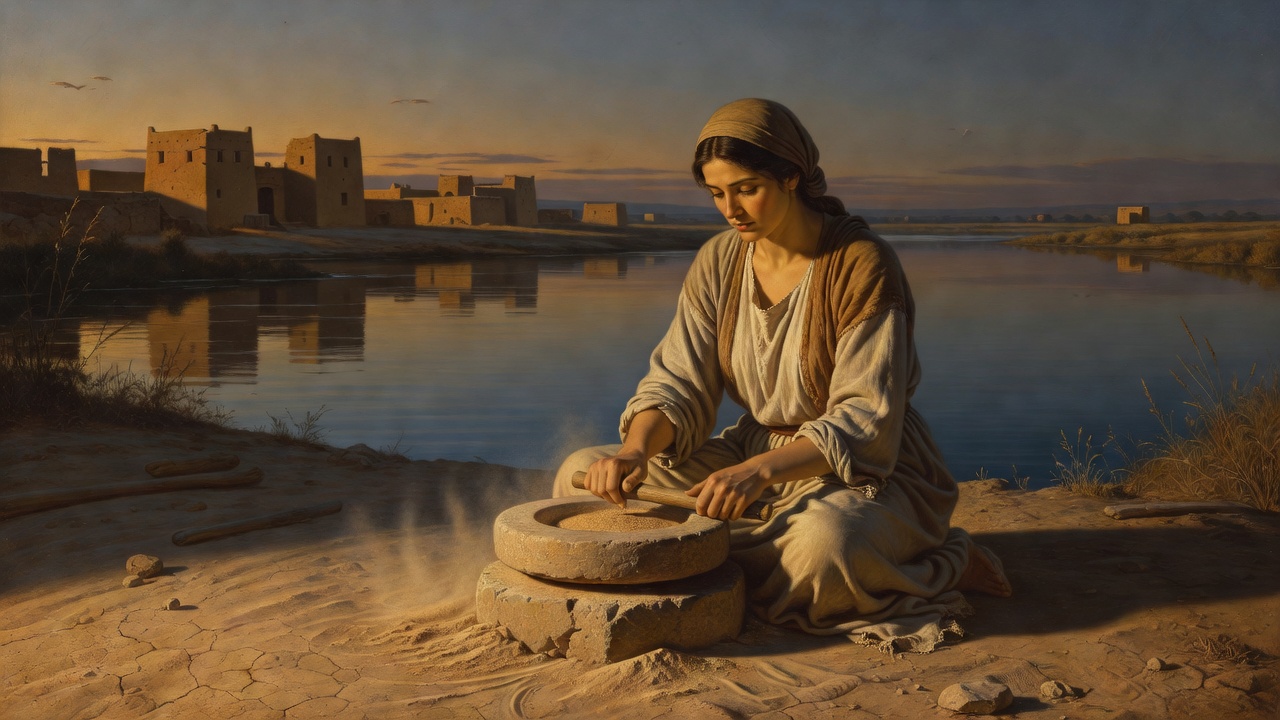
- Babylon is personified as a pampered queen and royal daughter who is abruptly humiliated. Instead of sitting securely on a throne in luxury, she is commanded to sit in the dust and perform the menial labor of an enslaved worker, grinding flour with millstones.Sources: the Bible text itself
- The chapter highlights Babylon's reliance on occult practices and stargazing. The prophet challenges the city's astrologers, sorcerers, and monthly omen-casters to step forward, declaring that their arts will be completely burned up like stubble and unable to prevent sudden ruin.Sources: the Bible text itself
- Babylon, situated along the Euphrates River in Chaldea, had been allowed to rule over God's people as an instrument of judgment. However, the text rebukes the empire for showing no mercy, noting that it placed heavy yokes even upon the elderly.Sources: Babylon · the Bible text itself
Notes written with AI assistance from open sources (Theographic Bible Metadata, CC BY-SA 4.0; Easton’s Bible Dictionary, public domain) and reviewed before publishing.
Places in this chapter
Only places identified with high confidence are shown (90% or more according to the scholarly sources compiled by OpenBible). Period map: DARE (Digital Atlas of the Roman Empire), CC BY 4.0; modern map: © OpenStreetMap contributors; places: OpenBible.info (CC BY 4.0).
Credits and license for this translation
כתבי הקודש
The Old Testament in ancient Hebrew, following the Masoretic Text
Public Domain
Language: עברית (Hebrew)
Dialect: Biblical/Ancient
2013-12-11
Source: http://ebible.org/hbo/ · eBible.org