Genesis 8
כתבי הקודש · Tap a verse to see its cross-references.
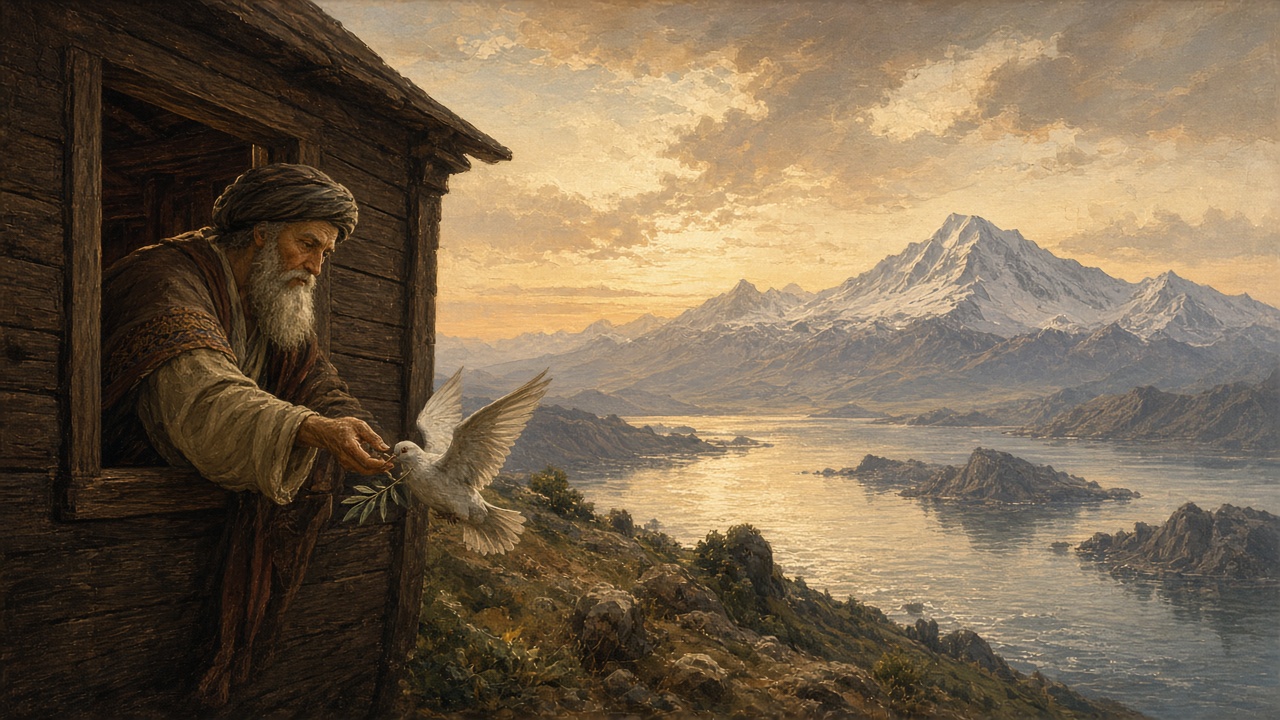
1וַיִּזְכֹּ֤ר אֱלֹהִים֙ אֶת־נֹ֔חַ וְאֵ֤ת כָּל־הֽ͏ַחַיָּה֙ וְאֶת־כָּל־הַבְּהֵמָ֔ה אֲשֶׁ֥ר אִתֹּ֖ו בַּתֵּבָ֑ה וַיַּעֲבֵ֨ר אֱלֹהִ֥ים ר֙וּחַ֙ עַל־הָאָ֔רֶץ וַיָּשֹׁ֖כּוּ הַמָּֽיִם׃ 2וַיִּסָּֽכְרוּ֙ מַעְיְנֹ֣ת תְּהֹ֔ום וֽ͏ַאֲרֻבֹּ֖ת הַשָּׁמָ֑יִם וַיִּכָּלֵ֥א הַגֶּ֖שֶׁם מִן־הַשָּׁמָֽיִם׃ 3וַיָּשֻׁ֧בוּ הַמַּ֛יִם מֵעַ֥ל הָאָ֖רֶץ הָלֹ֣וךְ וָשֹׁ֑וב וַיַּחְסְר֣וּ הַמַּ֔יִם מִקְצֵ֕ה חֲמִשִּׁ֥ים וּמְאַ֖ת יֹֽום׃ 4וַתָּ֤נַח הַתֵּבָה֙ בַּחֹ֣דֶשׁ הַשְּׁבִיעִ֔י בְּשִׁבְעָה־עָשָׂ֥ר יֹ֖ום לַחֹ֑דֶשׁ עַ֖ל הָרֵ֥י אֲרָרָֽט׃ 5וְהַמַּ֗יִם הָיוּ֙ הָלֹ֣וךְ וְחָסֹ֔ור עַ֖ד הַחֹ֣דֶשׁ הֽ͏ָעֲשִׂירִ֑י בּֽ͏ָעֲשִׂירִי֙ בְּאֶחָ֣ד לַחֹ֔דֶשׁ נִרְא֖וּ רָאשֵׁ֥י הֽ͏ֶהָרִֽים׃ 6וֽ͏ַיְהִ֕י מִקֵּ֖ץ אַרְבָּעִ֣ים יֹ֑ום וַיִּפְתַּ֣ח נֹ֔חַ אֶת־חַלֹּ֥ון הַתֵּבָ֖ה אֲשֶׁ֥ר עָשָֽׂה׃ 7וַיְשַׁלַּ֖ח אֶת־הֽ͏ָעֹרֵ֑ב וַיֵּצֵ֤א יָצֹוא֙ וָשֹׁ֔וב עַד־יְבֹ֥שֶׁת הַמַּ֖יִם מֵעַ֥ל הָאָֽרֶץ׃ 8וַיְשַׁלַּ֥ח אֶת־הַיֹּונָ֖ה מֵאִתֹּ֑ו לִרְאֹות֙ הֲקַ֣לּוּ הַמַּ֔יִם מֵעַ֖ל פְּנֵ֥י הֽ͏ָאֲדָמָֽה׃ 9וְלֹֽא־מָצְאָה֩ הַיֹּונָ֨ה מָנֹ֜וחַ לְכַף־רַגְלָ֗הּ וַתָּ֤שָׁב אֵלָיו֙ אֶל־הַתֵּבָ֔ה כִּי־מַ֖יִם עַל־פְּנֵ֣י כָל־הָאָ֑רֶץ וַיִּשְׁלַ֤ח יָדֹו֙ וַיִּקָּחֶ֔הָ וַיָּבֵ֥א אֹתָ֛הּ אֵלָ֖יו אֶל־הַתֵּבָֽה׃ 10וַיָּ֣חֶל עֹ֔וד שִׁבְעַ֥ת יָמִ֖ים אֲחֵרִ֑ים וַיֹּ֛סֶף שַׁלַּ֥ח אֶת־הַיֹּונָ֖ה מִן־הַתֵּבָֽה׃ 11וַתָּבֹ֨א אֵלָ֤יו הַיֹּונָה֙ לְעֵ֣ת עֶ֔רֶב וְהִנֵּ֥ה עֲלֵה־זַ֖יִת טָרָ֣ף בְּפִ֑יהָ וַיֵּ֣דַע נֹ֔חַ כִּי־קַ֥לּוּ הַמַּ֖יִם מֵעַ֥ל הָאָֽרֶץ׃ 12וַיִּיָּ֣חֶל עֹ֔וד שִׁבְעַ֥ת יָמִ֖ים אֲחֵרִ֑ים וַיְשַׁלַּח֙ אֶת־הַיֹּונָ֔ה וְלֹֽא־יָסְפָ֥ה שׁוּב־אֵלָ֖יו עֹֽוד׃ 13וֽ͏ַ֠יְהִי בְּאַחַ֨ת וְשֵׁשׁ־מֵאֹ֜ות שָׁנָ֗ה בּֽ͏ָרִאשֹׁון֙ בְּאֶחָ֣ד לַחֹ֔דֶשׁ חָֽרְב֥וּ הַמַּ֖יִם מֵעַ֣ל הָאָ֑רֶץ וַיָּ֤סַר נֹ֙חַ֙ אֶת־מִכְסֵ֣ה הַתֵּבָ֔ה וַיַּ֕רְא וְהִנֵּ֥ה חֽ͏ָרְב֖וּ פְּנֵ֥י הֽ͏ָאֲדָמָֽה׃ 14וּבַחֹ֙דֶשׁ֙ הַשֵּׁנִ֔י בְּשִׁבְעָ֧ה וְעֶשְׂרִ֛ים יֹ֖ום לַחֹ֑דֶשׁ יָבְשָׁ֖ה הָאָֽרֶץ׃ ס 15וַיְדַבֵּ֥ר אֱלֹהִ֖ים אֶל־נֹ֥חַ לֵאמֹֽר׃ 16צֵ֖א מִן־הַתֵּבָ֑ה אַתָּ֕ה וְאִשְׁתְּךָ֛ וּבָנֶ֥יךָ וּנְשֵֽׁי־בָנֶ֖יךָ אִתָּֽךְ׃ 17כָּל־הַחַיָּ֨ה אֲשֶֽׁר־אִתְּךָ֜ מִכָּל־בָּשָׂ֗ר בָּעֹ֧וף וּבַבְּהֵמָ֛ה וּבְכָל־הָרֶ֛מֶשׂ הָרֹמֵ֥שׂ עַל־הָאָ֖רֶץ *הֹוצֵא (הַיְצֵ֣א) אִתָּ֑ךְ וְשֽׁ͏ָרְצ֣וּ בָאָ֔רֶץ וּפָר֥וּ וְרָב֖וּ עַל־הָאָֽרֶץ׃ 18וַיֵּ֖צֵא־נֹ֑חַ וּבָנָ֛יו וְאִשְׁתֹּ֥ו וּנְשֵֽׁי־בָנָ֖יו אִתֹּֽו׃ 19כָּל־הֽ͏ַחַיָּ֗ה כָּל־הָרֶ֙מֶשׂ֙ וְכָל־הָעֹ֔וף כֹּ֖ל רֹומֵ֣שׂ עַל־הָאָ֑רֶץ לְמִשְׁפְּחֹ֣תֵיהֶ֔ם יָצְא֖וּ מִן־הַתֵּבָֽה׃ 20וַיִּ֥בֶן נֹ֛חַ מִזְבֵּ֖חַ לֽ͏ַיהוָ֑ה וַיִּקַּ֞ח מִכֹּ֣ל ׀ הַבְּהֵמָ֣ה הַטְּהֹורָ֗ה וּמִכֹּל֙ הָעֹ֣וף הַטָּהֹ֔ר וַיַּ֥עַל עֹלֹ֖ת בַּמִּזְבֵּֽחַ׃ 21וַיָּ֣רַח יְהוָה֮ אֶת־רֵ֣יחַ הַנִּיחֹחַ֒ וַיֹּ֨אמֶר יְהוָ֜ה אֶל־לִבֹּ֗ו לֹֽא־אֹ֠סִף לְקַלֵּ֨ל עֹ֤וד אֶת־הָֽאֲדָמָה֙ בַּעֲב֣וּר הֽ͏ָאָדָ֔ם כִּ֠י יֵ֣צֶר לֵ֧ב הָאָדָ֛ם רַ֖ע מִנְּעֻרָ֑יו וְלֹֽא־אֹסִ֥ף עֹ֛וד לְהַכֹּ֥ות אֶת־כָּל־חַ֖י כּֽ͏ַאֲשֶׁ֥ר עָשִֽׂיתִי׃ 22עֹ֖ד כָּל־יְמֵ֣י הָאָ֑רֶץ זֶ֡רַע וְ֠קָצִיר וְקֹ֨ר וָחֹ֜ם וְקַ֧יִץ וָחֹ֛רֶף וְיֹ֥ום וָלַ֖יְלָה לֹ֥א יִשְׁבֹּֽתוּ׃
Did you know?
The Waters Recede
- The ark came to rest on the mountains of Ararat, a name meaning “sacred land” or “high land” for a country on whose mountains the ark settled after the flood. Easton's Bible Dictionary (1897) suggests those mountains were probably the Kurdish range of southern Armenia, though the name is also commonly applied to a high, almost inaccessible peak rising from the plain of the Araxes. In 2 Kings 19:37 and Isaiah 37:38 the Authorized Version renders the name “Armenia” and the Revised Version “land of Ararat,” while Jeremiah 51:27 uses it for central or southern Armenia.Sources: Ararat · the Bible text itself
- Noah’s Hebrew name means “rest,” and in this chapter the ark itself comes to rest as the waters go down. He was the son of Lamech and the grandson of Methuselah, and the father of Shem, Ham, and Japheth. Easton's Bible Dictionary describes him as the connecting link between the old world and the new, and as a second great progenitor of the human family.Sources: Noah · the Bible text itself
- Chronological notes place the Great Flood in 2347 BC, lasting one year; the subsiding of the waters in 2346 BC, over 220 days; and the leaving of the ark in 2346 BC, as a single day. In the chapter itself, the waters have gone down after 150 days and the ark rests on the seventeenth day of the seventh month; on the first day of the first month of Noah’s six hundred and first year the waters have dried up, and by the twenty-seventh day of the second month the earth is fully dry.Sources: The Great Flood · The flood subsides · Leaving the Ark · the Bible text itself
Notes written with AI assistance from open sources (Theographic Bible Metadata, CC BY-SA 4.0; Easton’s Bible Dictionary, public domain) and reviewed before publishing.
Places in this chapter
- Ararat · Today: Urartu · 39.703, 44.300 · verse 4
Only places identified with high confidence are shown (90% or more according to the scholarly sources compiled by OpenBible). Period map: DARE (Digital Atlas of the Roman Empire), CC BY 4.0; modern map: © OpenStreetMap contributors; places: OpenBible.info (CC BY 4.0).
Credits and license for this translation
כתבי הקודש
The Old Testament in ancient Hebrew, following the Masoretic Text
Public Domain
Language: עברית (Hebrew)
Dialect: Biblical/Ancient
2013-12-11
Source: http://ebible.org/hbo/ · eBible.org