Genesis 29
כתבי הקודש · Tap a verse to see its cross-references.
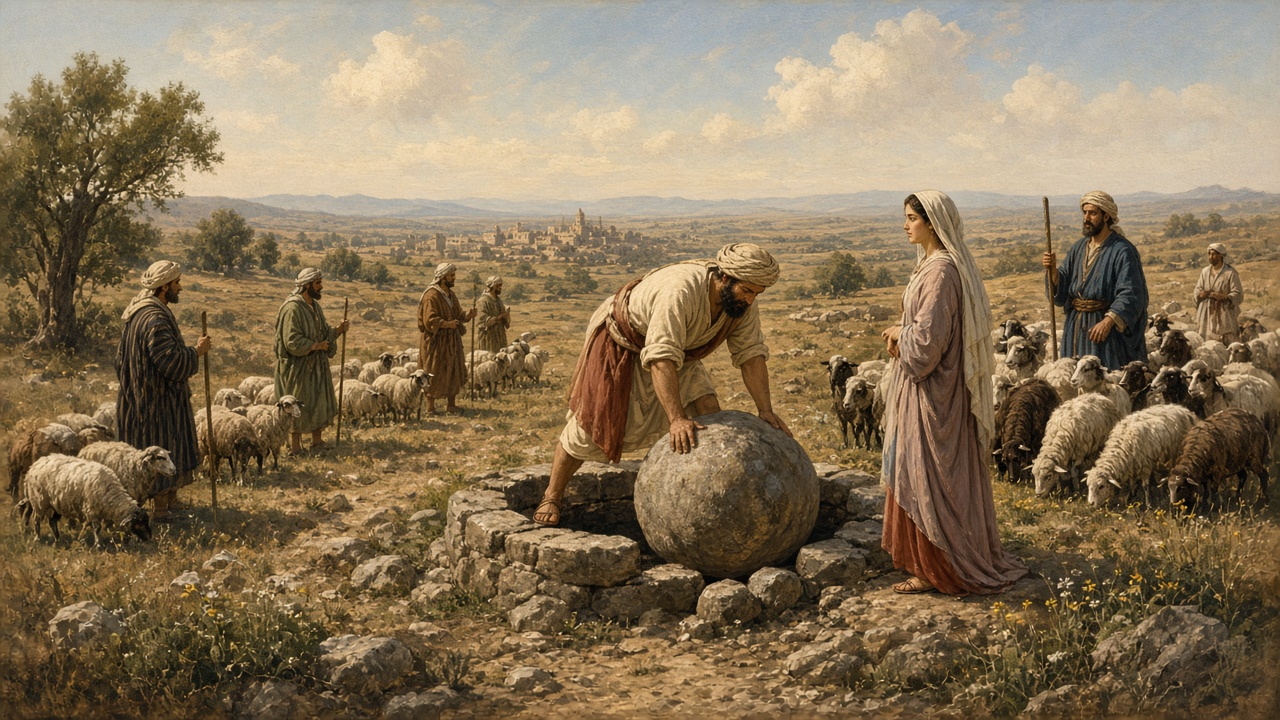
1וַיִּשָּׂ֥א יַעֲקֹ֖ב רַגְלָ֑יו וַיֵּ֖לֶךְ אַ֥רְצָה בְנֵי־קֶֽדֶם׃ 2וַיַּ֞רְא וְהִנֵּ֧ה בְאֵ֣ר בַּשָּׂדֶ֗ה וְהִנֵּה־שָׁ֞ם שְׁלֹשָׁ֤ה עֶדְרֵי־צֹאן֙ רֹבְצִ֣ים עָלֶ֔יהָ כִּ֚י מִן־הַבְּאֵ֣ר הַהִ֔וא יַשְׁק֖וּ הָעֲדָרִ֑ים וְהָאֶ֥בֶן גְּדֹלָ֖ה עַל־פִּ֥י הַבְּאֵֽר׃ 3וְנֶאֶסְפוּ־שָׁ֣מָּה כָל־הָעֲדָרִ֗ים וְגָלֲל֤וּ אֶת־הָאֶ֙בֶן֙ מֵעַל֙ פִּ֣י הַבְּאֵ֔ר וְהִשְׁק֖וּ אֶת־הַצֹּ֑אן וְהֵשִׁ֧יבוּ אֶת־הָאֶ֛בֶן עַל־פִּ֥י הַבְּאֵ֖ר לִמְקֹמָֽהּ׃ 4וַיֹּ֤אמֶר לָהֶם֙ יַעֲקֹ֔ב אַחַ֖י מֵאַ֣יִן אַתֶּ֑ם וַיֹּ֣אמְר֔וּ מֵחָרָ֖ן אֲנָֽחְנוּ׃ 5וַיֹּ֣אמֶר לָהֶ֔ם הַיְדַעְתֶּ֖ם אֶת־לָבָ֣ן בֶּן־נָחֹ֑ור וַיֹּאמְר֖וּ יָדָֽעְנוּ׃ 6וַיֹּ֥אמֶר לָהֶ֖ם הֲשָׁלֹ֣ום לֹ֑ו וַיֹּאמְר֣וּ שָׁלֹ֔ום וְהִנֵּה֙ רָחֵ֣ל בִּתֹּ֔ו בָּאָ֖ה עִם־הַצֹּֽאן׃ 7וַיֹּ֗אמֶר הֵ֥ן עֹוד֙ הַיֹּ֣ום גָּדֹ֔ול לֹא־עֵ֖ת הֵאָסֵ֣ף הַמִּקְנֶ֑ה הַשְׁק֥וּ הַצֹּ֖אן וּלְכ֥וּ רְעֽוּ׃ 8וַיֹּאמְרוּ֮ לֹ֣א נוּכַל֒ עַ֣ד אֲשֶׁ֤ר יֵאָֽסְפוּ֙ כָּל־הָ֣עֲדָרִ֔ים וְגָֽלֲלוּ֙ אֶת־הָאֶ֔בֶן מֵעַ֖ל פִּ֣י הַבְּאֵ֑ר וְהִשְׁקִ֖ינוּ הַצֹּֽאן׃ 9עֹודֶ֖נּוּ מְדַבֵּ֣ר עִמָּ֑ם וְרָחֵ֣ל ׀ בָּ֗אָה עִם־הַצֹּאן֙ אֲשֶׁ֣ר לְאָבִ֔יהָ כִּ֥י רֹעָ֖ה הִֽוא׃ 10וַיְהִ֡י כַּאֲשֶׁר֩ רָאָ֨ה יַעֲקֹ֜ב אֶת־רָחֵ֗ל בַּת־לָבָן֙ אֲחִ֣י אִמֹּ֔ו וְאֶת־צֹ֥אן לָבָ֖ן אֲחִ֣י אִמֹּ֑ו וַיִּגַּ֣שׁ יַעֲקֹ֗ב וַיָּ֤גֶל אֶת־הָאֶ֙בֶן֙ מֵעַל֙ פִּ֣י הַבְּאֵ֔ר וַיַּ֕שְׁקְ אֶת־צֹ֥אן לָבָ֖ן אֲחִ֥י אִמֹּֽו׃ 11וַיִּשַּׁ֥ק יַעֲקֹ֖ב לְרָחֵ֑ל וַיִּשָּׂ֥א אֶת־קֹלֹ֖ו וַיֵּֽבְךְּ׃ 12וַיַּגֵּ֨ד יַעֲקֹ֜ב לְרָחֵ֗ל כִּ֣י אֲחִ֤י אָבִ֙יהָ֙ ה֔וּא וְכִ֥י בֶן־רִבְקָ֖ה ה֑וּא וַתָּ֖רָץ וַתַּגֵּ֥ד לְאָבִֽיהָ׃ 13וַיְהִי֩ כִשְׁמֹ֨עַ לָבָ֜ן אֶת־שֵׁ֣מַע ׀ יַעֲקֹ֣ב בֶּן־אֲחֹתֹ֗ו וַיָּ֤רָץ לִקְרָאתֹו֙ וַיְחַבֶּק־לֹו֙ וַיְנַשֶּׁק־לֹ֔ו וַיְבִיאֵ֖הוּ אֶל־בֵּיתֹ֑ו וַיְסַפֵּ֣ר לְלָבָ֔ן אֵ֥ת כָּל־הַדְּבָרִ֖ים הָאֵֽלֶּה׃ 14וַיֹּ֤אמֶר לֹו֙ לָבָ֔ן אַ֛ךְ עַצְמִ֥י וּבְשָׂרִ֖י אָ֑תָּה וַיֵּ֥שֶׁב עִמֹּ֖ו חֹ֥דֶשׁ יָמִֽים׃ 15וַיֹּ֤אמֶר לָבָן֙ לְיַעֲקֹ֔ב הֲכִי־אָחִ֣י אַ֔תָּה וַעֲבַדְתַּ֖נִי חִנָּ֑ם הַגִּ֥ידָה לִּ֖י מַה־מַּשְׂכֻּרְתֶּֽךָ׃ 16וּלְלָבָ֖ן שְׁתֵּ֣י בָנֹ֑ות שֵׁ֤ם הַגְּדֹלָה֙ לֵאָ֔ה וְשֵׁ֥ם הַקְּטַנָּ֖ה רָחֵֽל׃ 17וְעֵינֵ֥י לֵאָ֖ה רַכֹּ֑ות וְרָחֵל֙ הָֽיְתָ֔ה יְפַת־תֹּ֖אַר וִיפַ֥ת מַרְאֶֽה׃ 18וַיֶּאֱהַ֥ב יַעֲקֹ֖ב אֶת־רָחֵ֑ל וַיֹּ֗אמֶר אֽ͏ֶעֱבָדְךָ֙ שֶׁ֣בַע שָׁנִ֔ים בְּרָחֵ֥ל בִּתְּךָ֖ הַקְּטַנָּֽה׃ 19וַיֹּ֣אמֶר לָבָ֗ן טֹ֚וב תִּתִּ֣י אֹתָ֣הּ לָ֔ךְ מִתִּתִּ֥י אֹתָ֖הּ לְאִ֣ישׁ אַחֵ֑ר שְׁבָ֖ה עִמָּדִֽי׃ 20וַיַּעֲבֹ֧ד יַעֲקֹ֛ב בְּרָחֵ֖ל שֶׁ֣בַע שָׁנִ֑ים וַיִּהְי֤וּ בְעֵינָיו֙ כְּיָמִ֣ים אֲחָדִ֔ים בְּאַהֲבָתֹ֖ו אֹתָֽהּ׃ 21וַיֹּ֨אמֶר יַעֲקֹ֤ב אֶל־לָבָן֙ הָבָ֣ה אֶת־אִשְׁתִּ֔י כִּ֥י מָלְא֖וּ יָמָ֑י וְאָבֹ֖ואָה אֵלֶֽיהָ׃ 22וַיֶּאֱסֹ֥ף לָבָ֛ן אֶת־כָּל־אַנְשֵׁ֥י הַמָּקֹ֖ום וַיַּ֥עַשׂ מִשְׁתֶּֽה׃ 23וַיְהִ֣י בָעֶ֔רֶב וַיִּקַּח֙ אֶת־לֵאָ֣ה בִתֹּ֔ו וַיָּבֵ֥א אֹתָ֖הּ אֵלָ֑יו וַיָּבֹ֖א אֵלֶֽיהָ׃ 24וַיִּתֵּ֤ן לָבָן֙ לָ֔הּ אֶת־זִלְפָּ֖ה שִׁפְחָתֹ֑ו לְלֵאָ֥ה בִתֹּ֖ו שִׁפְחָֽה׃ 25וַיְהִ֣י בַבֹּ֔קֶר וְהִנֵּה־הִ֖וא לֵאָ֑ה וַיֹּ֣אמֶר אֶל־לָבָ֗ן מַה־זֹּאת֙ עָשִׂ֣יתָ לִּ֔י הֲלֹ֤א בְרָחֵל֙ עָבַ֣דְתִּי עִמָּ֔ךְ וְלָ֖מָּה רִמִּיתָֽנִי׃ 26וַיֹּ֣אמֶר לָבָ֔ן לֹא־יֵעָשֶׂ֥ה כֵ֖ן בִּמְקֹומֵ֑נוּ לָתֵ֥ת הַצְּעִירָ֖ה לִפְנֵ֥י הַבְּכִירָֽה׃ 27מַלֵּ֖א שְׁבֻ֣עַ זֹ֑את וְנִתְּנָ֨ה לְךָ֜ גַּם־אֶת־זֹ֗את בַּעֲבֹדָה֙ אֲשֶׁ֣ר תַּעֲבֹ֣ד עִמָּדִ֔י עֹ֖וד שֶֽׁבַע־שָׁנִ֥ים אֲחֵרֹֽות׃ 28וַיַּ֤עַשׂ יַעֲקֹב֙ כֵּ֔ן וַיְמַלֵּ֖א שְׁבֻ֣עַ זֹ֑את וַיִּתֶּן־לֹ֛ו אֶת־רָחֵ֥ל בִּתֹּ֖ו לֹ֥ו לְאִשָּֽׁה׃ 29וַיִּתֵּ֤ן לָבָן֙ לְרָחֵ֣ל בִּתֹּ֔ו אֶת־בִּלְהָ֖ה שִׁפְחָתֹ֑ו לָ֖הּ לְשִׁפְחָֽה׃ 30וַיָּבֹא֙ גַּ֣ם אֶל־רָחֵ֔ל וַיֶּאֱהַ֥ב גַּֽם־אֶת־רָחֵ֖ל מִלֵּאָ֑ה וַיַּעֲבֹ֣ד עִמֹּ֔ו עֹ֖וד שֶֽׁבַע־שָׁנִ֥ים אֲחֵרֹֽות׃ 31וַיַּ֤רְא יְהוָה֙ כִּֽי־שְׂנוּאָ֣ה לֵאָ֔ה וַיִּפְתַּ֖ח אֶת־רַחְמָ֑הּ וְרָחֵ֖ל עֲקָרָֽה׃ 32וַתַּ֤הַר לֵאָה֙ וַתֵּ֣לֶד בֵּ֔ן וַתִּקְרָ֥א שְׁמֹ֖ו רְאוּבֵ֑ן כִּ֣י אָֽמְרָ֗ה כִּֽי־רָאָ֤ה יְהוָה֙ בְּעָנְיִ֔י כִּ֥י עַתָּ֖ה יֶאֱהָבַ֥נִי אִישִֽׁי׃ 33וַתַּ֣הַר עֹוד֮ וַתֵּ֣לֶד בֵּן֒ וַתֹּ֗אמֶר כִּֽי־שָׁמַ֤ע יְהוָה֙ כִּֽי־שְׂנוּאָ֣ה אָנֹ֔כִי וַיִּתֶּן־לִ֖י גַּם־אֶת־זֶ֑ה וַתִּקְרָ֥א שְׁמֹ֖ו שִׁמְעֹֽון׃ 34וַתַּ֣הַר עֹוד֮ וַתֵּ֣לֶד בֵּן֒ וַתֹּ֗אמֶר עַתָּ֤ה הַפַּ֙עַם֙ יִלָּוֶ֤ה אִישִׁי֙ אֵלַ֔י כִּֽי־יָלַ֥דְתִּי לֹ֖ו שְׁלֹשָׁ֣ה בָנִ֑ים עַל־כֵּ֥ן קָרָֽא־שְׁמֹ֖ו לֵוִֽי׃ 35וַתַּ֨הַר עֹ֜וד וַתֵּ֣לֶד בֵּ֗ן וַתֹּ֙אמֶר֙ הַפַּ֙עַם֙ אֹודֶ֣ה אֶת־יְהוָ֔ה עַל־כֵּ֛ן קָרְאָ֥ה שְׁמֹ֖ו יְהוּדָ֑ה וַֽתַּעֲמֹ֖ד מִלֶּֽדֶת׃
Did you know?
Jacob’s Marriages in Haran
- Jacob fled to Haran, where his uncle Laban lived, in the land of the people of the east. The city, also called the city of Nahor and identified with Harran, stood on the Belik, a tributary of the Euphrates, about seventy miles above the Belik’s junction with that river, in Upper Mesopotamia. Laban was the son of Bethuel and the grandson of Nahor, Abraham’s brother; Laban’s sister Rebekah was Isaac’s wife.Sources: Haran · Laban · Nahor (brother of Abraham) · the Bible text itself
- The well was closed by a large stone that the shepherds rolled away only after all the flocks had gathered, then put back in place. Rachel, whose name is given as “ewe,” was a shepherdess bringing her father’s sheep, and Jacob, who had himself lived as a shepherd, moved the stone and watered his uncle’s flock.Sources: Rachel · Jacob (Israel) · the Bible text itself
- Leah, the elder sister, is called “weary,” and she is described as weak-eyed, or tender-eyed; Rachel, the younger, was shapely and beautiful. Jacob served seven years for Rachel, but at the evening feast Laban gave him Leah, saying it was not the custom there to give the younger daughter in marriage before the older, and then gave him Rachel for another seven years—fourteen in all. Leah’s first sons were Reuben, whose name is given as “Behold a son,” and then Simeon, Levi, and Judah; in naming them she spoke of the LORD seeing her affliction, hearing that she was unloved, her husband becoming attached to her, and her praise of the LORD.Sources: Leah · Rachel · Reuben · the Bible text itself
Notes written with AI assistance from open sources (Theographic Bible Metadata, CC BY-SA 4.0; Easton’s Bible Dictionary, public domain) and reviewed before publishing.
Places in this chapter
- East · Today: region around Amman · 31.955, 35.934 · verse 1
- Haran · Today: Harran · 36.864, 39.033 · verse 4
Only places identified with high confidence are shown (90% or more according to the scholarly sources compiled by OpenBible). Period map: DARE (Digital Atlas of the Roman Empire), CC BY 4.0; modern map: © OpenStreetMap contributors; places: OpenBible.info (CC BY 4.0).
Credits and license for this translation
כתבי הקודש
The Old Testament in ancient Hebrew, following the Masoretic Text
Public Domain
Language: עברית (Hebrew)
Dialect: Biblical/Ancient
2013-12-11
Source: http://ebible.org/hbo/ · eBible.org