Ecclesiastes 10
כתבי הקודש · Tap a verse to see its cross-references.
1זְב֣וּבֵי מָ֔וֶת יַבְאִ֥ישׁ יַבִּ֖יעַ שֶׁ֣מֶן רֹוקֵ֑חַ יָקָ֛ר מֵחָכְמָ֥ה מִכָּבֹ֖וד סִכְל֥וּת מְעָֽט׃ 2לֵ֤ב חָכָם֙ לִֽימִינֹ֔ו וְלֵ֥ב כְּסִ֖יל לִשְׂמֹאלֹֽו׃ 3וְגַם־בַּדֶּ֛רֶךְ *כְּשֶׁהַסָּכָל (כְּשֶׁסָּכָ֥ל) הֹלֵ֖ךְ לִבֹּ֣ו חָסֵ֑ר וְאָמַ֥ר לַכֹּ֖ל סָכָ֥ל הֽוּא׃ 4אִם־ר֤וּחַ הַמֹּושֵׁל֙ תַּעֲלֶ֣ה עָלֶ֔יךָ מְקֹומְךָ֖ אַל־תַּנַּ֑ח כִּ֣י מַרְפֵּ֔א יַנִּ֖יחַ חֲטָאִ֥ים גְּדֹולִֽים׃ 5יֵ֣שׁ רָעָ֔ה רָאִ֖יתִי תַּ֣חַת הַשָּׁ֑מֶשׁ כִּשְׁגָגָ֕ה שֶׁיֹּצָ֖א מִלִּפְנֵ֥י הַשַּׁלִּֽיט׃ 6נִתַּ֣ן הַסֶּ֔כֶל בַּמְּרֹומִ֖ים רַבִּ֑ים וַעֲשִׁירִ֖ים בַּשֵּׁ֥פֶל יֵשֵֽׁבוּ׃ 7רָאִ֥יתִי עֲבָדִ֖ים עַל־סוּסִ֑ים וְשָׂרִ֛ים הֹלְכִ֥ים כַּעֲבָדִ֖ים עַל־הָאָֽרֶץ׃ 8חֹפֵ֥ר גּוּמָּ֖ץ בֹּ֣ו יִפֹּ֑ול וּפֹרֵ֥ץ גָּדֵ֖ר יִשְּׁכֶ֥נּוּ נָחָֽשׁ׃ 9מַסִּ֣יעַ אֲבָנִ֔ים יֵעָצֵ֖ב בָּהֶ֑ם בֹּוקֵ֥עַ עֵצִ֖ים יִסָּ֥כֶן בָּֽם׃ 10אִם־קֵהָ֣ה הַבַּרְזֶ֗ל וְהוּא֙ לֹא־פָנִ֣ים קִלְקַ֔ל וַחֲיָלִ֖ים יְגַבֵּ֑ר וְיִתְרֹ֥ון הַכְשֵׁ֖יר חָכְמָֽה׃ 11אִם־יִשֹּׁ֥ךְ הַנָּחָ֖שׁ בְּלֹוא־לָ֑חַשׁ וְאֵ֣ין יִתְרֹ֔ון לְבַ֖עַל הַלָּשֹֽׁון׃ 12דִּבְרֵ֥י פִי־חָכָ֖ם חֵ֑ן וְשִׂפְתֹ֥ות כְּסִ֖יל תְּבַלְּעֶֽנּוּ׃ 13תְּחִלַּ֥ת דִּבְרֵי־פִ֖יהוּ סִכְל֑וּת וְאַחֲרִ֣ית פִּ֔יהוּ הֹולֵל֖וּת רָעָֽה׃ 14וְהַסָּכָ֖ל יַרְבֶּ֣ה דְבָרִ֑ים לֹא־יֵדַ֤ע הָאָדָם֙ מַה־שֶׁיִּֽהְיֶ֔ה וַאֲשֶׁ֤ר יִֽהְיֶה֙ מֵֽאַחֲרָ֔יו מִ֖י יַגִּ֥יד לֹֽו׃ 15עֲמַ֥ל הַכְּסִילִ֖ים תְּיַגְּעֶ֑נּוּ אֲשֶׁ֥ר לֹֽא־יָדַ֖ע לָלֶ֥כֶת אֶל־עִֽיר׃ 16אִֽי־לָ֣ךְ אֶ֔רֶץ שֶׁמַּלְכֵּ֖ךְ נָ֑עַר וְשָׂרַ֖יִךְ בַּבֹּ֥קֶר יֹאכֵֽלוּ׃ 17אַשְׁרֵ֣יךְ אֶ֔רֶץ שֶׁמַּלְכֵּ֖ךְ בֶּן־חֹורִ֑ים וְשָׂרַ֙יִךְ֙ בָּעֵ֣ת יֹאכֵ֔לוּ בִּגְבוּרָ֖ה וְלֹ֥א בַשְּׁתִֽי׃ 18בַּעֲצַלְתַּ֖יִם יִמַּ֣ךְ הַמְּקָרֶ֑ה וּבְשִׁפְל֥וּת יָדַ֖יִם יִדְלֹ֥ף הַבָּֽיִת׃ 19לִשְׂחֹוק֙ עֹשִׂ֣ים לֶ֔חֶם וְיַ֖יִן יְשַׂמַּ֣ח חַיִּ֑ים וְהַכֶּ֖סֶף יַעֲנֶ֥ה אֶת־הַכֹּֽל׃ 20גַּ֣ם בְּמַדָּֽעֲךָ֗ מֶ֚לֶךְ אַל־תְּקַלֵּ֔ל וּבְחַדְרֵי֙ מִשְׁכָּ֣בְךָ֔ אַל־תְּקַלֵּ֖ל עָשִׁ֑יר כִּ֣י עֹ֤וף הַשָּׁמַ֙יִם֙ יֹולִ֣יךְ אֶת־הַקֹּ֔ול וּבַ֥עַל *הַכְּנָפַיִם (כְּנָפַ֖יִם) יַגֵּ֥יד דָּבָֽר׃
Did you know?
Wisdom, Folly, and Governance
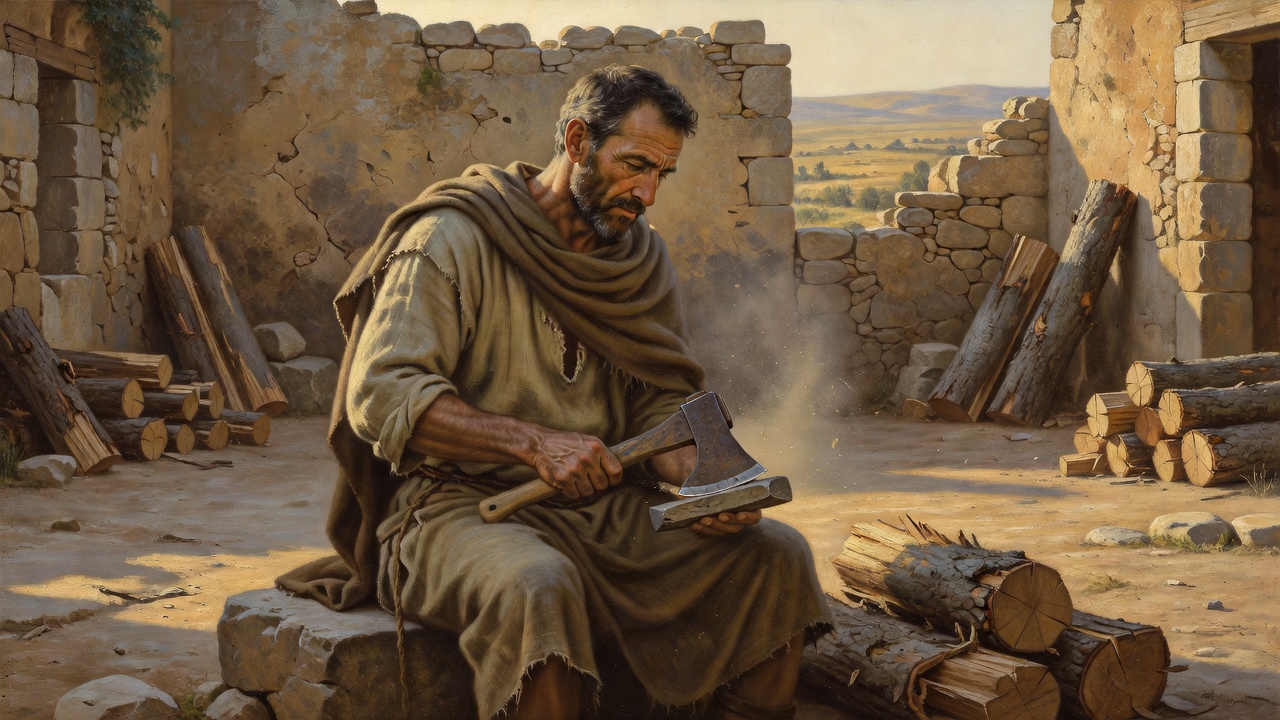
- The chapter uses vivid imagery from ancient daily life—such as dead flies spoiling perfumed oil, snakes nesting in stone walls, and dull iron axes requiring extra physical effort—to demonstrate how small missteps or a lack of practical skill can undo substantial work.Sources: the Bible text itself
- The author contrasts good and poor leadership, noting that a nation suffers when its king is young or incompetent and its leaders feast in the morning rather than governing with self-control.Sources: the Bible text itself
- The warning that a bird of the air might carry words spoken against a ruler in private bedrooms reflects an ancient awareness of court informants and the political danger of unguarded speech.Sources: the Bible text itself
Notes written with AI assistance from open sources (Theographic Bible Metadata, CC BY-SA 4.0; Easton’s Bible Dictionary, public domain) and reviewed before publishing.
Credits and license for this translation
כתבי הקודש
The Old Testament in ancient Hebrew, following the Masoretic Text
Public Domain
Language: עברית (Hebrew)
Dialect: Biblical/Ancient
2013-12-11
Source: http://ebible.org/hbo/ · eBible.org