Deuteronomy 23
כתבי הקודש · Tap a verse to see its cross-references.
1לֹא־יִקַּ֥ח אִ֖ישׁ אֶת־אֵ֣שֶׁת אָבִ֑יו וְלֹ֥א יְגַלֶּ֖ה כְּנַ֥ף אָבִֽיו׃ ס 2לֹֽא־יָבֹ֧א פְצֽוּעַ־דַּכָּ֛א וּכְר֥וּת שָׁפְכָ֖ה בִּקְהַ֥ל יְהוָֽה׃ ס 3לֹא־יָבֹ֥א מַמְזֵ֖ר בִּקְהַ֣ל יְהוָ֑ה גַּ֚ם דֹּ֣ור עֲשִׂירִ֔י לֹא־יָ֥בֹא לֹ֖ו בִּקְהַ֥ל יְהוָֽה׃ ס 4לֹֽא־יָבֹ֧א עַמֹּונִ֛י וּמֹואָבִ֖י בִּקְהַ֣ל יְהוָ֑ה גַּ֚ם דֹּ֣ור עֲשִׂירִ֔י לֹא־יָבֹ֥א לָהֶ֛ם בִּקְהַ֥ל יְהוָ֖ה עַד־עֹולָֽם׃ 5עַל־דְּבַ֞ר אֲשֶׁ֨ר לֹא־קִדְּמ֤וּ אֶתְכֶם֙ בַּלֶּ֣חֶם וּבַמַּ֔יִם בַּדֶּ֖רֶךְ בְּצֵאתְכֶ֣ם מִמִּצְרָ֑יִם וַאֲשֶׁר֩ שָׂכַ֨ר עָלֶ֜יךָ אֶת־בִּלְעָ֣ם בֶּן־בְּעֹ֗ור מִפְּתֹ֛ור אֲרַ֥ם נַהֲרַ֖יִם לְקַֽלְלֶֽךָּ׃ 6וְלֹֽא־אָבָ֞ה יְהוָ֤ה אֱלֹהֶ֙יךָ֙ לִשְׁמֹ֣עַ אֶל־בִּלְעָ֔ם וַיַּהֲפֹךְ֩ יְהוָ֨ה אֱלֹהֶ֧יךָ לְּךָ֛ אֶת־הַקְּלָלָ֖ה לִבְרָכָ֑ה כִּ֥י אֲהֵֽבְךָ֖ יְהוָ֥ה אֱלֹהֶֽיךָ׃ 7לֹא־תִדְרֹ֥שׁ שְׁלֹמָ֖ם וְטֹבָתָ֑ם כָּל־יָמֶ֖יךָ לְעֹולָֽם׃ ס 8לֹֽא־תְתַעֵ֣ב אֲדֹמִ֔י כִּ֥י אָחִ֖יךָ ה֑וּא ס לֹא־תְתַעֵ֣ב מִצְרִ֔י כִּי־גֵ֖ר הָיִ֥יתָ בְאַרְצֹֽו׃ 9בָּנִ֛ים אֲשֶׁר־יִוָּלְד֥וּ לָהֶ֖ם דֹּ֣ור שְׁלִישִׁ֑י יָבֹ֥א לָהֶ֖ם בִּקְהַ֥ל יְהוָֽה׃ ס 10כִּֽי־תֵצֵ֥א מַחֲנֶ֖ה עַל־אֹיְבֶ֑יךָ וְנִ֨שְׁמַרְתָּ֔ מִכֹּ֖ל דָּבָ֥ר רָֽע׃ 11כִּֽי־יִהְיֶ֤ה בְךָ֙ אִ֔ישׁ אֲשֶׁ֛ר לֹא־יִהְיֶ֥ה טָהֹ֖ור מִקְּרֵה־לָ֑יְלָה וְיָצָא֙ אֶל־מִח֣וּץ לַֽמַּחֲנֶ֔ה לֹ֥א יָבֹ֖א אֶל־תֹּ֥וךְ הַֽמַּחֲנֶֽה׃ 12וְהָיָ֥ה לִפְנֹֽות־עֶ֖רֶב יִרְחַ֣ץ בַּמָּ֑יִם וּכְבֹ֣א הַשֶּׁ֔מֶשׁ יָבֹ֖א אֶל־תֹּ֥וךְ הַֽמַּחֲנֶה׃ 13וְיָד֙ תִּהְיֶ֣ה לְךָ֔ מִח֖וּץ לַֽמַּחֲנֶ֑ה וְיָצָ֥אתָ שָׁ֖מָּה חֽוּץ׃ 14וְיָתֵ֛ד תִּהְיֶ֥ה לְךָ֖ עַל־אֲזֵנֶ֑ךָ וְהָיָה֙ בְּשִׁבְתְּךָ֣ ח֔וּץ וְחָפַרְתָּ֣ה בָ֔הּ וְשַׁבְתָּ֖ וְכִסִּ֥יתָ אֶת־צֵאָתֶֽךָ׃ 15כִּי֩ יְהוָ֨ה אֱלֹהֶ֜יךָ מִתְהַלֵּ֣ךְ ׀ בְּקֶ֣רֶב מַחֲנֶ֗ךָ לְהַצִּֽילְךָ֙ וְלָתֵ֤ת אֹיְבֶ֙יךָ֙ לְפָנֶ֔יךָ וְהָיָ֥ה מַחֲנֶ֖יךָ קָדֹ֑ושׁ וְלֹֽא־יִרְאֶ֤ה בְךָ֙ עֶרְוַ֣ת דָּבָ֔ר וְשָׁ֖ב מֵאַחֲרֶֽיךָ׃ ס 16לֹא־תַסְגִּ֥יר עֶ֖בֶד אֶל־אֲדֹנָ֑יו אֲשֶׁר־יִנָּצֵ֥ל אֵלֶ֖יךָ מֵעִ֥ם אֲדֹנָֽיו׃ 17עִמְּךָ֞ יֵשֵׁ֣ב בְּקִרְבְּךָ֗ בַּמָּקֹ֧ום אֲשֶׁר־יִבְחַ֛ר בְּאַחַ֥ד שְׁעָרֶ֖יךָ בַּטֹּ֣וב לֹ֑ו לֹ֖א תֹּונֶֽנּוּ׃ ס 18לֹא־תִהְיֶ֥ה קְדֵשָׁ֖ה מִבְּנֹ֣ות יִשְׂרָאֵ֑ל וְלֹֽא־יִהְיֶ֥ה קָדֵ֖שׁ מִבְּנֵ֥י יִשְׂרָאֵל׃ 19לֹא־תָבִיא֩ אֶתְנַ֨ן זֹונָ֜ה וּמְחִ֣יר כֶּ֗לֶב בֵּ֛ית יְהוָ֥ה אֱלֹהֶ֖יךָ לְכָל־נֶ֑דֶר כִּ֧י תֹועֲבַ֛ת יְהוָ֥ה אֱלֹהֶ֖יךָ גַּם־שְׁנֵיהֶֽם׃ 20לֹא־תַשִּׁ֣יךְ לְאָחִ֔יךָ נֶ֥שֶׁךְ כֶּ֖סֶף נֶ֣שֶׁךְ אֹ֑כֶל נֶ֕שֶׁךְ כָּל־דָּבָ֖ר אֲשֶׁ֥ר יִשָּֽׁךְ׃ 21לַנָּכְרִ֣י תַשִּׁ֔יךְ וּלְאָחִ֖יךָ לֹ֣א תַשִּׁ֑יךְ לְמַ֨עַן יְבָרֶכְךָ֜ יְהוָ֣ה אֱלֹהֶ֗יךָ בְּכֹל֙ מִשְׁלַ֣ח יָדֶ֔ךָ עַל־הָאָ֕רֶץ אֲשֶׁר־אַתָּ֥ה בָא־שָׁ֖מָּה לְרִשְׁתָּֽהּ׃ ס 22כִּֽי־תִדֹּ֥ר נֶ֙דֶר֙ לַיהוָ֣ה אֱלֹהֶ֔יךָ לֹ֥א תְאַחֵ֖ר לְשַׁלְּמֹ֑ו כִּֽי־דָּרֹ֨שׁ יִדְרְשֶׁ֜נּוּ יְהוָ֤ה אֱלֹהֶ֙יךָ֙ מֵֽעִמָּ֔ךְ וְהָיָ֥ה בְךָ֖ חֵֽטְא׃ 23וְכִ֥י תֶחְדַּ֖ל לִנְדֹּ֑ר לֹֽא־יִהְיֶ֥ה בְךָ֖ חֵֽטְא׃ 24מֹוצָ֥א שְׂפָתֶ֖יךָ תִּשְׁמֹ֣ר וְעָשִׂ֑יתָ כַּאֲשֶׁ֨ר נָדַ֜רְתָּ לַיהוָ֤ה אֱלֹהֶ֙יךָ֙ נְדָבָ֔ה אֲשֶׁ֥ר דִּבַּ֖רְתָּ בְּפִֽיךָ׃ ס 25כִּ֤י תָבֹא֙ בְּכֶ֣רֶם רֵעֶ֔ךָ וְאָכַלְתָּ֧ עֲנָבִ֛ים כְּנַפְשְׁךָ֖ שָׂבְעֶ֑ךָ וְאֶֽל־כֶּלְיְךָ֖ לֹ֥א תִתֵּֽן׃ ס 26כִּ֤י תָבֹא֙ בְּקָמַ֣ת רֵעֶ֔ךָ וְקָטַפְתָּ֥ מְלִילֹ֖ת בְּיָדֶ֑ךָ וְחֶרְמֵשׁ֙ לֹ֣א תָנִ֔יף עַ֖ל קָמַ֥ת רֵעֶֽךָ׃ ס
Did you know?
Community Purity and Social Laws
- Ammonites and Moabites were excluded from the assembly because they withheld food and water and hired Balaam son of Beor against Israel. Balaam came from Pethor in Aram-naharaim (Mesopotamia), a region between the Tigris and Euphrates rivers where Pethor is identified with the ancient site of Pitru.Sources: the Bible text itself · Balaam · Pethor · Mesopotamia
- In contrast to the exclusion of Ammon and Moab, Israelites were instructed not to despise Edomites, whom they regarded as kin, or Egyptians, among whom they had lived as foreigners. Descendants of the third generation from both groups were permitted to enter the assembly of the Lord.Sources: the Bible text itself · Egypt
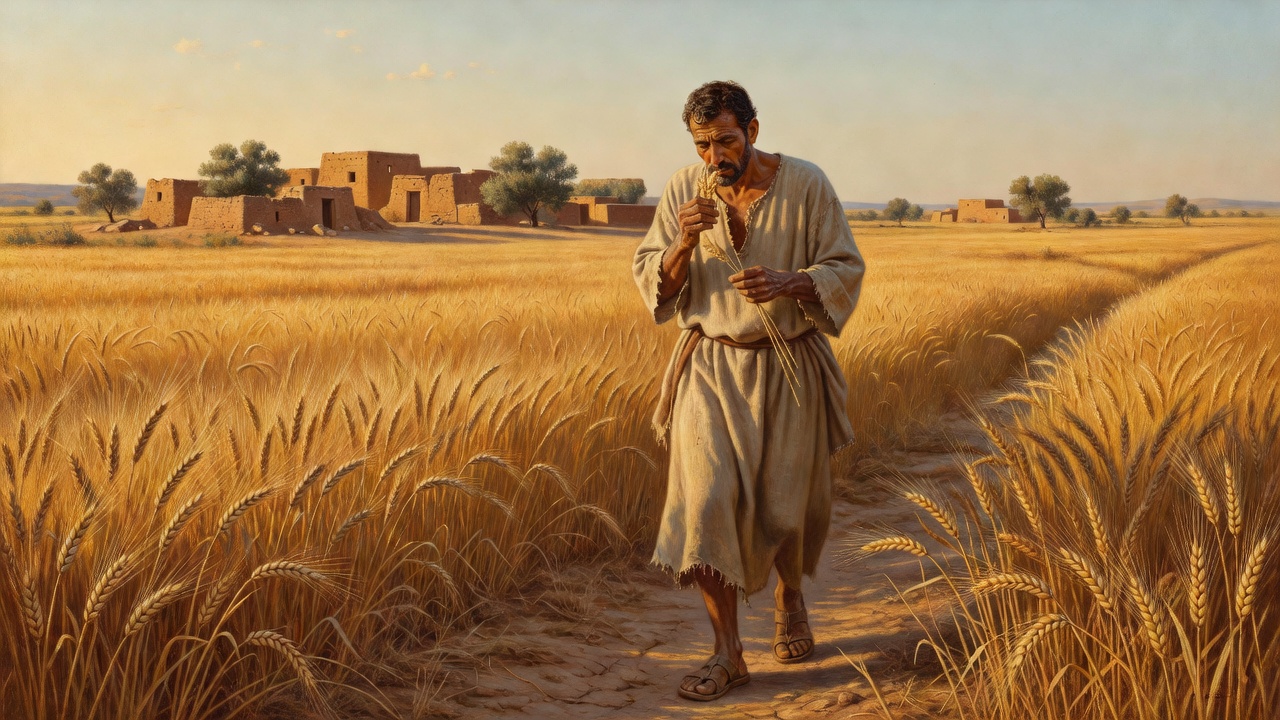
- The chapter outlines distinct social and military protections, including granting refuge to runaway foreign slaves rather than returning them to their masters. It also permitted hungry travelers to eat grapes or pluck grain by hand in a neighbor's field, provided they did not gather surplus into containers or use a sickle.Sources: the Bible text itself
Notes written with AI assistance from open sources (Theographic Bible Metadata, CC BY-SA 4.0; Easton’s Bible Dictionary, public domain) and reviewed before publishing.
Places in this chapter
- Egypt · 30.129, 31.308 · verse 4
- Mesopotamia · Today: Aram-naharaim · 36.864, 39.033 · verse 4
- Pethor · Today: Til Barsip · 36.701, 38.087 · verse 4
Only places identified with high confidence are shown (90% or more according to the scholarly sources compiled by OpenBible). Period map: DARE (Digital Atlas of the Roman Empire), CC BY 4.0; modern map: © OpenStreetMap contributors; places: OpenBible.info (CC BY 4.0).
Credits and license for this translation
כתבי הקודש
The Old Testament in ancient Hebrew, following the Masoretic Text
Public Domain
Language: עברית (Hebrew)
Dialect: Biblical/Ancient
2013-12-11
Source: http://ebible.org/hbo/ · eBible.org