Deuteronomy 20
כתבי הקודש · Tap a verse to see its cross-references.
1כִּֽי־תֵצֵ֨א לַמִּלְחָמָ֜ה עַל־אֹיְבֶ֗יךָ וְֽרָאִ֜יתָ ס֤וּס וָרֶ֙כֶב֙ עַ֚ם רַ֣ב מִמְּךָ֔ לֹ֥א תִירָ֖א מֵהֶ֑ם כִּֽי־יְהוָ֤ה אֱלֹהֶ֙יךָ֙ עִמָּ֔ךְ הַמַּֽעַלְךָ֖ מֵאֶ֥רֶץ מִצְרָֽיִם׃ 2וְהָיָ֕ה כְּקָֽרָבְכֶ֖ם אֶל־הַמִּלְחָמָ֑ה וְנִגַּ֥שׁ הַכֹּהֵ֖ן וְדִבֶּ֥ר אֶל־הָעָֽם׃ 3וְאָמַ֤ר אֲלֵהֶם֙ שְׁמַ֣ע יִשְׂרָאֵ֔ל אַתֶּ֨ם קְרֵבִ֥ים הַיֹּ֛ום לַמִּלְחָמָ֖ה עַל־אֹיְבֵיכֶ֑ם אַל־יֵרַ֣ךְ לְבַבְכֶ֗ם אַל־תִּֽירְא֧וּ וְאַֽל־תַּחְפְּז֛וּ וְאַל־תּֽ͏ַעַרְצ֖וּ מִפְּנֵיהֶֽם׃ 4כִּ֚י יְהוָ֣ה אֱלֹֽהֵיכֶ֔ם הַהֹלֵ֖ךְ עִמָּכֶ֑ם לְהִלָּחֵ֥ם לָכֶ֛ם עִם־אֹיְבֵיכֶ֖ם לְהֹושִׁ֥יעַ אֶתְכֶֽם׃ 5וְדִבְּר֣וּ הַשֹּֽׁטְרִים֮ אֶל־הָעָ֣ם לֵאמֹר֒ מִֽי־הָאִ֞ישׁ אֲשֶׁ֨ר בָּנָ֤ה בַֽיִת־חָדָשׁ֙ וְלֹ֣א חֲנָכֹ֔ו יֵלֵ֖ךְ וְיָשֹׁ֣ב לְבֵיתֹ֑ו פֶּן־יָמוּת֙ בַּמִּלְחָמָ֔ה וְאִ֥ישׁ אַחֵ֖ר יַחְנְכֶֽנּוּ׃ 6וּמִֽי־הָאִ֞ישׁ אֲשֶׁר־נָטַ֥ע כֶּ֙רֶם֙ וְלֹ֣א חִלְּלֹ֔ו יֵלֵ֖ךְ וְיָשֹׁ֣ב לְבֵיתֹ֑ו פֶּן־יָמוּת֙ בַּמִּלְחָמָ֔ה וְאִ֥ישׁ אַחֵ֖ר יְחַלְּלֶֽנּוּ׃ 7וּמִֽי־הָאִ֞ישׁ אֲשֶׁר־אֵרַ֤שׂ אִשָּׁה֙ וְלֹ֣א לְקָחָ֔הּ יֵלֵ֖ךְ וְיָשֹׁ֣ב לְבֵיתֹ֑ו פֶּן־יָמוּת֙ בַּמִּלְחָמָ֔ה וְאִ֥ישׁ אַחֵ֖ר יִקָּחֶֽנָּה׃ 8וְיָסְפ֣וּ הַשֹּׁטְרִים֮ לְדַבֵּ֣ר אֶל־הָעָם֒ וְאָמְר֗וּ מִי־הָאִ֤ישׁ הַיָּרֵא֙ וְרַ֣ךְ הַלֵּבָ֔ב יֵלֵ֖ךְ וְיָשֹׁ֣ב לְבֵיתֹ֑ו וְלֹ֥א יִמַּ֛ס אֶת־לְבַ֥ב אֶחָ֖יו כִּלְבָבֹֽו׃ 9וְהָיָ֛ה כְּכַלֹּ֥ת הַשֹּׁטְרִ֖ים לְדַבֵּ֣ר אֶל־הָעָ֑ם וּפָ֥קְד֛וּ שָׂרֵ֥י צְבָאֹ֖ות בְּרֹ֥אשׁ הָעָֽם׃ ס 10כִּֽי־תִקְרַ֣ב אֶל־עִ֔יר לְהִלָּחֵ֖ם עָלֶ֑יהָ וְקָרָ֥אתָ אֵלֶ֖יהָ לְשָׁלֹֽום׃ 11וְהָיָה֙ אִם־שָׁלֹ֣ום תַּֽעַנְךָ֔ וּפָתְחָ֖ה לָ֑ךְ וְהָיָ֞ה כָּל־הָעָ֣ם הַנִּמְצָא־בָ֗הּ יִהְי֥וּ לְךָ֛ לָמַ֖ס וַעֲבָדֽוּךָ׃ 12וְאִם־לֹ֤א תַשְׁלִים֙ עִמָּ֔ךְ וְעָשְׂתָ֥ה עִמְּךָ֖ מִלְחָמָ֑ה וְצַרְתָּ֖ עָלֶֽיהָ׃ 13וּנְתָנָ֛הּ יְהוָ֥ה אֱלֹהֶ֖יךָ בְּיָדֶ֑ךָ וְהִכִּיתָ֥ אֶת־כָּל־זְכוּרָ֖הּ לְפִי־חָֽרֶב׃ 14רַ֣ק הַ֠נָּשִׁים וְהַטַּ֨ף וְהַבְּהֵמָ֜ה וְכֹל֩ אֲשֶׁ֨ר יִהְיֶ֥ה בָעִ֛יר כָּל־שְׁלָלָ֖הּ תָּבֹ֣ז לָ֑ךְ וְאָֽכַלְתָּ֙ אֶת־שְׁלַ֣ל אֹיְבֶ֔יךָ אֲשֶׁ֥ר נָתַ֛ן יְהוָ֥ה אֱלֹהֶ֖יךָ לָֽךְ׃ 15כֵּ֤ן תַּעֲשֶׂה֙ לְכָל־הֶ֣עָרִ֔ים הָרְחֹקֹ֥ת מִמְּךָ֖ מְאֹ֑ד אֲשֶׁ֛ר לֹא־מֵעָרֵ֥י הַגֹּֽויִם־הָאֵ֖לֶּה הֵֽנָּה׃ 16רַ֗ק מֵעָרֵ֤י הָֽעַמִּים֙ הָאֵ֔לֶּה אֲשֶׁר֙ יְהוָ֣ה אֱלֹהֶ֔יךָ נֹתֵ֥ן לְךָ֖ נַחֲלָ֑ה לֹ֥א תְחַיֶּ֖ה כָּל־נְשָׁמָֽה׃ 17כִּֽי־הַחֲרֵ֣ם תַּחֲרִימֵ֗ם הַחִתִּ֤י וְהָאֱמֹרִי֙ הַכְּנַעֲנִ֣י וְהַפְּרִזִּ֔י הַחִוִּ֖י וְהַיְבוּסִ֑י כַּאֲשֶׁ֥ר צִוְּךָ֖ יְהוָ֥ה אֱלֹהֶֽיךָ׃ 18לְמַ֗עַן אֲשֶׁ֨ר לֹֽא־יְלַמְּד֤וּ אֶתְכֶם֙ לַעֲשֹׂ֔ות כְּכֹל֙ תֹּֽועֲבֹתָ֔ם אֲשֶׁ֥ר עָשׂ֖וּ לֵֽאלֹהֵיהֶ֑ם וַחֲטָאתֶ֖ם לַיהוָ֥ה אֱלֹהֵיכֶֽם׃ ס 19כִּֽי־תָצ֣וּר אֶל־עִיר֩ יָמִ֨ים רַבִּ֜ים לְֽהִלָּחֵ֧ם עָלֶ֣יהָ לְתָפְשָׂ֗הּ לֹֽא־תַשְׁחִ֤ית אֶת־עֵצָהּ֙ לִנְדֹּ֤חַ עָלָיו֙ גַּרְזֶ֔ן כִּ֚י מִמֶּ֣נּוּ תֹאכֵ֔ל וְאֹתֹ֖ו לֹ֣א תִכְרֹ֑ת כִּ֤י הֽ͏ָאָדָם֙ עֵ֣ץ הַשָּׂדֶ֔ה לָבֹ֥א מִפָּנֶ֖יךָ בַּמָּצֹֽור׃ 20רַ֞ק עֵ֣ץ אֲשֶׁר־תֵּדַ֗ע כִּֽי־לֹא־עֵ֤ץ מַאֲכָל֙ ה֔וּא אֹתֹ֥ו תַשְׁחִ֖ית וְכָרָ֑תָּ וּבָנִ֣יתָ מָצֹ֗ור עַל־הָעִיר֙ אֲשֶׁר־הִ֨וא עֹשָׂ֧ה עִמְּךָ֛ מִלְחָמָ֖ה עַ֥ד רִדְתָּֽהּ׃ פ
Did you know?
Laws Concerning Warfare
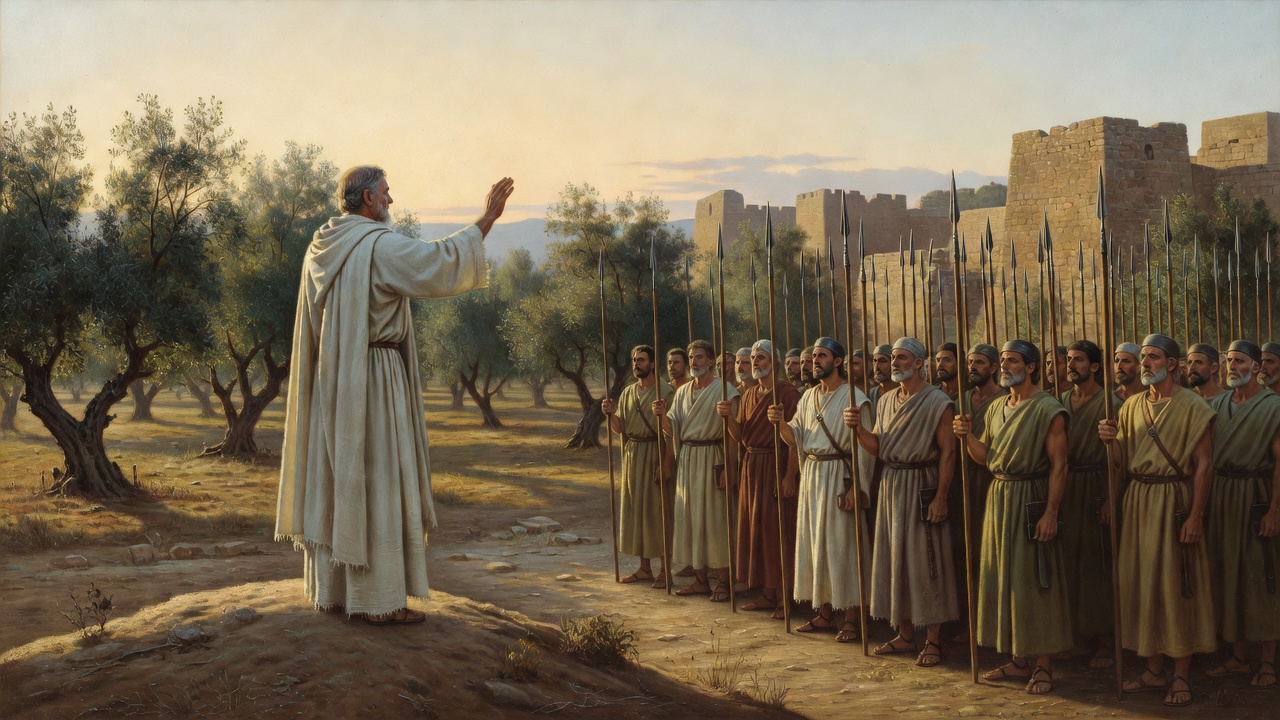
- Before entering combat, Israelite officers announced specific exemptions from military duty, releasing men who had built a house not yet dedicated, planted a vineyard not yet harvested, become engaged to be married, or felt afraid.Sources: the Bible text itself
- The law established different warfare policies for distant cities compared to cities within the Promised Land; distant cities were first offered terms of peace, whereas the inhabitants of nearby nations were marked for complete destruction to avoid idolatry.Sources: the Bible text itself
- During long sieges, Israelite forces were forbidden from cutting down fruit-bearing trees to construct siege works, limiting their timber harvesting only to trees known not to produce food.Sources: the Bible text itself
Notes written with AI assistance from open sources (Theographic Bible Metadata, CC BY-SA 4.0; Easton’s Bible Dictionary, public domain) and reviewed before publishing.
Places in this chapter
- Egypt · 30.129, 31.308 · verse 1
Only places identified with high confidence are shown (90% or more according to the scholarly sources compiled by OpenBible). Period map: DARE (Digital Atlas of the Roman Empire), CC BY 4.0; modern map: © OpenStreetMap contributors; places: OpenBible.info (CC BY 4.0).
Credits and license for this translation
כתבי הקודש
The Old Testament in ancient Hebrew, following the Masoretic Text
Public Domain
Language: עברית (Hebrew)
Dialect: Biblical/Ancient
2013-12-11
Source: http://ebible.org/hbo/ · eBible.org