1 Chronicles 10
כתבי הקודש · Tap a verse to see its cross-references.
1וּפְלִשְׁתִּ֖ים נִלְחֲמ֣וּ בְיִשְׂרָאֵ֑ל וַיָּ֑נָס אִֽישׁ־יִשְׂרָאֵל֙ מִפְּנֵ֣י פְלִשְׁתִּ֔ים וַיִּפְּל֥וּ חֲלָלִ֖ים בְּהַ֥ר גִּלְבֹּֽעַ׃ 2וַיַּדְבְּק֣וּ פְלִשְׁתִּ֔ים אַחֲרֵ֥י שָׁא֖וּל וְאַחֲרֵ֣י בָנָ֑יו וַיַּכּ֣וּ פְלִשְׁתִּ֗ים אֶת־יֹונָתָ֧ן וְאֶת־אֲבִינָדָ֛ב וְאֶת־מַלְכִּי־שׁ֖וּעַ בְּנֵ֥י שָׁאֽוּל׃ 3וַתִּכְבַּ֤ד הַמִּלְחָמָה֙ עַל־שָׁא֔וּל וַיִּמְצָאֻ֖הוּ הַמֹּורִ֣ים בַּקָּ֑שֶׁת וַיָּ֖חֶל מִן־הַיֹּורִֽים׃ 4וַיֹּ֣אמֶר שָׁאוּל֩ אֶל־נֹשֵׂ֨א כֵלָ֜יו שְׁלֹ֥ף חַרְבְּךָ֣ ׀ וְדָקְרֵ֣נִי בָ֗הּ פֶּן־יָבֹ֜אוּ הָעֲרֵלִ֤ים הָאֵ֙לֶּה֙ וְהִתְעַלְּלוּ־בִ֔י וְלֹ֤א אָבָה֙ נֹשֵׂ֣א כֵלָ֔יו כִּ֥י יָרֵ֖א מְאֹ֑ד ס וַיִּקַּ֤ח שָׁאוּל֙ אֶת־הַחֶ֔רֶב וַיִּפֹּ֖ל עָלֶֽיהָ׃ 5וַיַּ֥רְא נֹשֵֽׂא־כֵלָ֖יו כִּ֣י מֵ֣ת שָׁא֑וּל וַיִּפֹּ֥ל גַּם־ה֛וּא עַל־הַחֶ֖רֶב וַיָּמֹֽת׃ ס 6וַיָּ֤מָת שָׁאוּל֙ וּשְׁלֹ֣שֶׁת בָּנָ֔יו וְכָל־בֵּיתֹ֖ו יַחְדָּ֥ו מֵֽתוּ׃ 7וַ֠יִּרְאוּ כָּל־אִ֨ישׁ יִשְׂרָאֵ֤ל אֲשֶׁר־בָּעֵ֙מֶק֙ כִּ֣י נָ֔סוּ וְכִי־מֵ֖תוּ שָׁא֣וּל וּבָנָ֑יו וַיַּעַזְב֤וּ עָרֵיהֶם֙ וַיָּנֻ֔סוּ וַיָּבֹ֣אוּ פְלִשְׁתִּ֔ים וַיֵּשְׁב֖וּ בָּהֶֽם׃ ס 8וַיְהִי֙ מִֽמָּחֳרָ֔ת וַיָּבֹ֣אוּ פְלִשְׁתִּ֔ים לְפַשֵּׁ֖ט אֶת־הֽ͏ַחֲלָלִ֑ים וַֽיִּמְצְא֤וּ אֶת־שָׁאוּל֙ וְאֶת־בָּנָ֔יו נֹפְלִ֖ים בְּהַ֥ר גִּלְבֹּֽעַ׃ 9וַיַּ֨פְשִׁיטֻ֔הוּ וַיִּשְׂא֥וּ אֶת־רֹאשֹׁ֖ו וְאֶת־כֵּלָ֑יו וַיְשַׁלְּח֨וּ בְאֶֽרֶץ־פְלִשְׁתִּ֜ים סָבִ֗יב לְבַשֵּׂ֛ר אֶת־עֲצַבֵּיהֶ֖ם וְאֶת־הָעָֽם׃ 10וַיָּשִׂ֙ימוּ֙ אֶת־כֵּלָ֔יו בֵּ֖ית אֱלֹהֵיהֶ֑ם וְאֶת־גֻּלְגָּלְתֹּ֥ו תָקְע֖וּ בֵּ֥ית דָּגֹֽון׃ ס 11וַֽיִּשְׁמְע֔וּ כֹּ֖ל יָבֵ֣ישׁ גִּלְעָ֑ד אֵ֛ת כָּל־אֲשֶׁר־עָשׂ֥וּ פְלִשְׁתִּ֖ים לְשָׁאֽוּל׃ 12וַיָּקוּמוּ֮ כָּל־אִ֣ישׁ חַיִל֒ וַיִּשְׂא֞וּ אֶת־גּוּפַ֣ת שָׁא֗וּל וְאֵת֙ גּוּפֹ֣ת בָּנָ֔יו וַיְבִיא֖וּם יָבֵ֑ישָׁה וַיִּקְבְּר֨וּ אֶת־עַצְמֹותֵיהֶ֜ם תַּ֤חַת הָאֵלָה֙ בְּיָבֵ֔שׁ וַיָּצ֖וּמוּ שִׁבְעַ֥ת יָמִֽים׃ 13וַיָּ֣מָת שָׁא֗וּל בְּמַֽעֲלֹו֙ אֲשֶׁ֣ר מָעַ֣ל בַּֽיהוָ֔ה עַל־דְּבַ֥ר יְהוָ֖ה אֲשֶׁ֣ר לֹא־שָׁמָ֑ר וְגַם־לִשְׁאֹ֥ול בָּאֹ֖וב לִדְרֹֽושׁ׃ 14וְלֹֽא־דָרַ֥שׁ בַּֽיהוָ֖ה וַיְמִיתֵ֑הוּ וַיַּסֵּב֙ אֶת־הַמְּלוּכָ֔ה לְדָוִ֖יד בֶּן־יִשָֽׁי׃ פ
Did you know?
The Fall of Saul and Transition to David
- The Philistines defeated Israel on Mount Gilboa, killing King Saul's sons Jonathan, Abinadab, and Malchi-shua. After Saul took his own life, the Philistines stripped his armor to place it in the temple of their gods and fastened his head in the temple of Dagon, their national deity.Sources: the Bible text itself · Dagon · Mount Gilboa · Jonathan
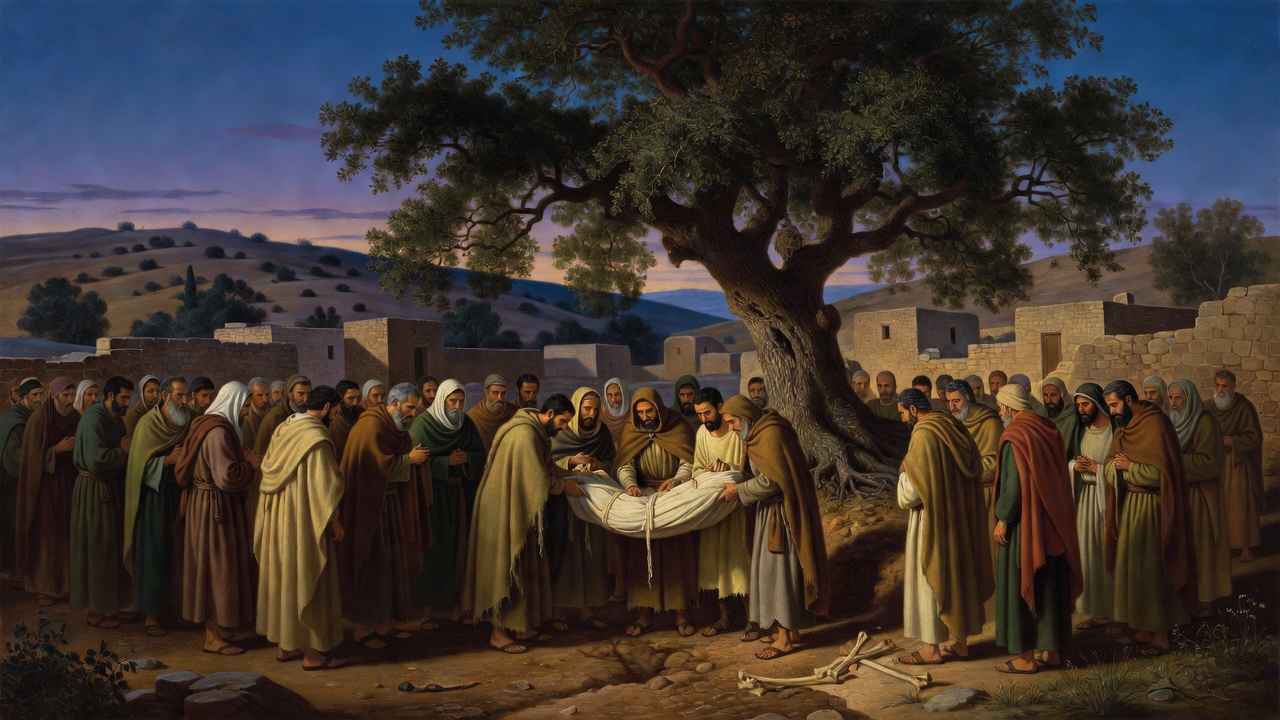
- Upon hearing how the Philistines treated Saul, valiant men from Jabesh-gilead traveled to retrieve the bodies of Saul and his sons. They carried them back to Jabesh, buried their bones under a large oak tree, and observed a seven-day fast.Sources: the Bible text itself · Jabesh-gilead
- The Chronicler summarizes Saul's downfall as a consequence of unfaithfulness to the LORD, including his failure to inquire of God and his consultation of a medium. This tragic end sets the stage for the kingdom to be transferred to David, the son of Jesse.Sources: the Bible text itself · David · Jesse
Notes written with AI assistance from open sources (Theographic Bible Metadata, CC BY-SA 4.0; Easton’s Bible Dictionary, public domain) and reviewed before publishing.
Places in this chapter
- Mount Gilboa · 32.434, 35.414 · verses 1, 8
- Valley of Jezreel · Today: Jezreel Valley · 32.596, 35.242 · verse 7
- Philistia · 31.664, 34.546 · verse 9
Only places identified with high confidence are shown (90% or more according to the scholarly sources compiled by OpenBible). Period map: DARE (Digital Atlas of the Roman Empire), CC BY 4.0; modern map: © OpenStreetMap contributors; places: OpenBible.info (CC BY 4.0).
Credits and license for this translation
כתבי הקודש
The Old Testament in ancient Hebrew, following the Masoretic Text
Public Domain
Language: עברית (Hebrew)
Dialect: Biblical/Ancient
2013-12-11
Source: http://ebible.org/hbo/ · eBible.org