Psalms 42
Baibala Hemolele · Tap a verse to see its cross-references.
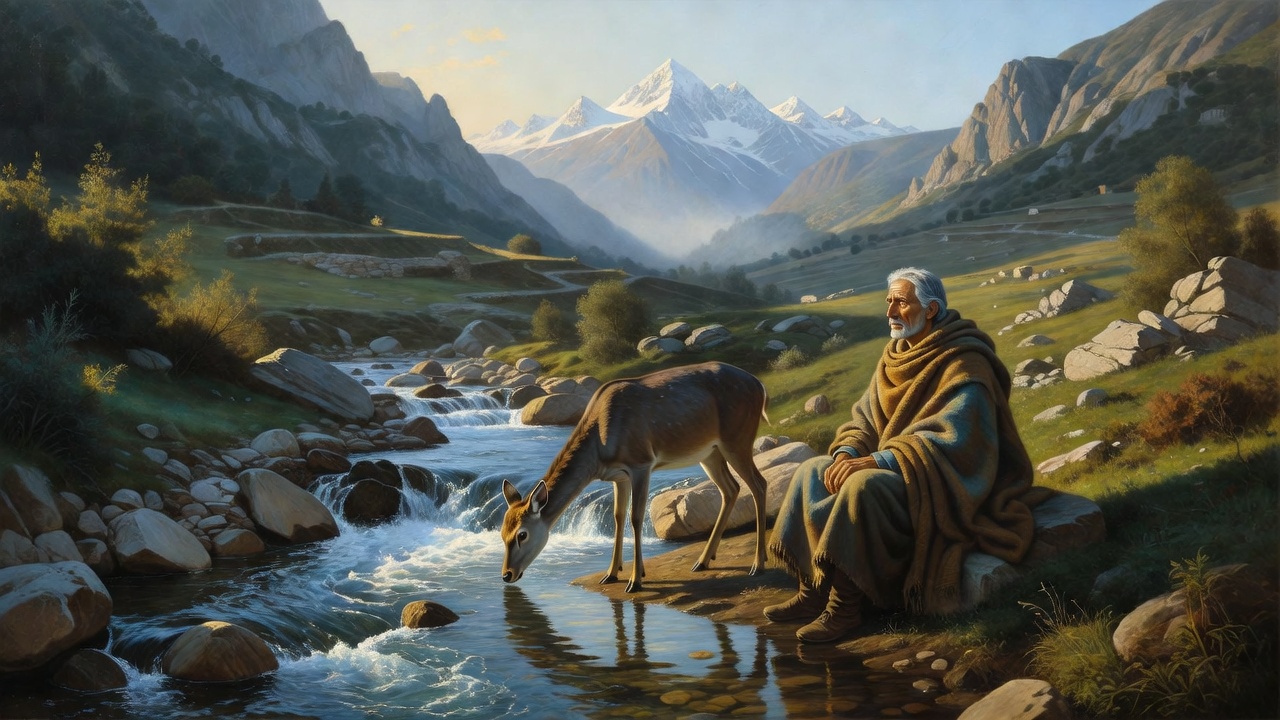
1E LIKE me ka dia e makemake ana i ka wai kahe, Pela e makemake nei ko'u uhane ia oe, e ke Akua.
2Ke makewai nei ko'u uhane i ke Akua, i ke Akua ola; Ahea la hiki aku au, a ikeia mai imua o ke Akua?
3Ua lilo ko'u mau waimaka i ai na'u i ke ao a me ka po, Ia lakou i olelo mau mai ai ia'u, Auhea kou Akua?
4A hoomanao aku au ia mau mea, ninini iho au i ko'u uhane iloko o'u: No ka mea, ua hele au me ka lehulehu, Hele pu no wau me lakou i ka hale o ke Akua, Me ka leo o ka olioli, a me ka hoolea, Me ke anaina malama i ka ahaaina.
5No ke aha la oe e hoohaahaaia, e kuu uhane? No ke aha la oe i paumako ai iloko o'u? E manao laua aku oe i ke Akua; No ka mea, e hoolea auanei au ia ia, No ke kokua ana mai o kona maka.
6E ko'u Akua, ua hoohaahaa ko'u uhane iloko o'u: Nolaila e hoomanao aku ai au ia oe ma ka aina Ioredane, A ma na Heremona a me ka mauna Mizara.
7Ke kahea nei kekahi hohonu i kekahi hohonu, I ka halulu mau ana o kou waipuilani; Ua popoi mai na ale me na nalu maluna'e o'u.
8Aka, i ke ao e kauoha mai o Iehova i kona lokomaikai, A i ka po, eia auanei me au ka mele nona, A me ka'u pule i ke Akua o ko'u ola nei.
9E olelo aku au i ke Akua i ko'u Pohaku, No ke aha la oe e hoopoina mai ai ia'u? No ke aha la e u hele ai au no ka hooluhihewa ana mai o ka enemi?
10Me he pahikaua la iloko o ko'u mau iwi, Ke hoino mai nei ko'u poe enemi ia'u; I ka lakou olelo ana mai ia'u i kela la i keia la, Auhea la kou Akua.
11No ke aha la oe i hooliaahaaia'i, e ko'u uhane? No ke aha la oe i paumako ai iloko o'u? E hoolana i ka manao i ke Akua; No ka mea, e hoolea auanei au ia ia; Oia ke ola o ko'u maka, a me kuu Akua.
Did you know?
Thirsting for God Far from Home
- The psalm is introduced as a song of the sons of Korah, a Levitical family descended from the Levite Korah who took part in temple music and worship.Sources: the Bible text itself · Korah (Levite)
- The speaker longs for God from the northern borderlands, mentioning the Jordan, Mount Hermon, and Mount Mizar. Hermon is a towering range with multiple peaks reaching over 9,000 feet, while Mizar (meaning 'smallness') represents a lesser neighboring summit.Sources: the Bible text itself · Hermon · Hill Mizar
- The poem uses vivid water metaphors, moving from a thirsty deer longing for mountain streams to roaring waterfalls and crashing waves that symbolize overwhelming emotional distress.Sources: the Bible text itself
Notes written with AI assistance from open sources (Theographic Bible Metadata, CC BY-SA 4.0; Easton’s Bible Dictionary, public domain) and reviewed before publishing.
Places in this chapter
Only places identified with high confidence are shown (90% or more according to the scholarly sources compiled by OpenBible). Period map: DARE (Digital Atlas of the Roman Empire), CC BY 4.0; modern map: © OpenStreetMap contributors; places: OpenBible.info (CC BY 4.0).
Credits and license for this translation
Baibala Hemolele
The Holy Bible in the Hawaiian language of the United States, 1868 revision
Public Domain
Language: 'Olelo Hawai'i (Hawaiian)
Translation by: na na misionari i pai
2015-11-10
Source: http://ebible.org/haw1868/ · eBible.org