Psalms 11
Baibala Hemolele · Tap a verse to see its cross-references.
1KE hilinai aku nei au ia Iehova; Pehea oukou e i mai ai i ko'u uhane, E lele i ko oukou mauna me he manu la?
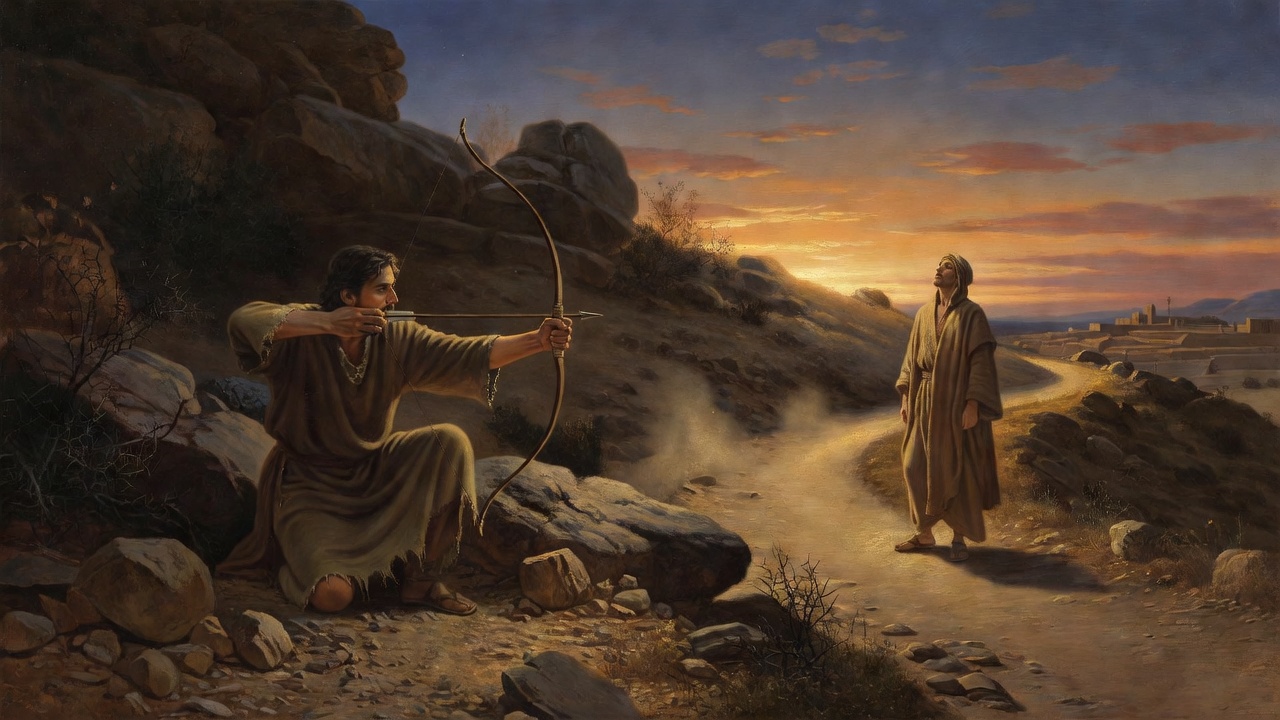
2Aia hoi ka poe hewa ke lena la i ka lakou kakaka, Ke hoomakaukau la i ka lakou pua ma ke kaula, E pana malu aku lakou i ka poe naau kupono.
3Ina e hoohioloia na kumu, Heaha la hoi ka ka mea pono e hana'i?
4Ina no o Iehova iloko o kona luakini hoano; Ina no o ka nohoalii o Iehova maluna o ka lani: Ke nana mai la kona mau maka; Ke hoao mai la kona mau lihilihi i na keiki a kanaka.
5Ke hoao la o Iehova i ka mea pono, Aka, ke inaina la kona Uhane i ka mea hewa, A me ka mea i makemake i ke kolohe.
6Maluna iho o ka poe hewa oia e hooua mai ai i na kaula uila, A me ke ahi, ka luaipele, a me ka ino huhu: Oia ka piha o ko lakou kiaha.
7No ka mea, ke aloha mai la ka Haku pono i ka pono; Ke haliu mai la kona maka i ka mea pololei.
Did you know?
Refuge in the LORD and Divine Justice
- The psalm opens with the speaker rejecting counsel to flee like a bird to the mountains when facing danger. Despite the threat of archers aiming from the shadows and the apparent destruction of foundations, the psalmist chooses to take refuge in the LORD.Sources: the Bible text itself
- The text contrasts the hidden malice of the wicked, who shoot unseen from the shadows, with the all-seeing gaze of the LORD from His holy temple and heavenly throne. It declares that God examines all people, reserving fiery coals, sulfur, and a scorching wind for those who practice violence.Sources: the Bible text itself
Notes written with AI assistance from open sources (Theographic Bible Metadata, CC BY-SA 4.0; Easton’s Bible Dictionary, public domain) and reviewed before publishing.
Credits and license for this translation
Baibala Hemolele
The Holy Bible in the Hawaiian language of the United States, 1868 revision
Public Domain
Language: 'Olelo Hawai'i (Hawaiian)
Translation by: na na misionari i pai
2015-11-10
Source: http://ebible.org/haw1868/ · eBible.org