Psalms 101
Baibala Hemolele · Tap a verse to see its cross-references.
1E OLI no wau i ka lokomaikai, a me ka hoopono; Ia oe no wau, e Iehova, e hoolea aku ai.
2E hana naauno no wau ma ka aoao o ka pono. Ahea la oe e hele mai ai ia'u? E holoholo no wau maloko o ko'u hale, Me ka pono o ko'u naau.
3Aole au e kau i ka hewa imua o ko'u mau maka; Ua inaina aku au i ka mea hana ino, Aole ia e pili mai ia'u.
4E haalele anauei ka naau kekee ia'u, Aole au e ike aku i ke kanaka hewa.
5O ka mea ahiahi malu i kona hoalauna, Oia ka'u e hooki aku; O ka mea maka hookiekie, a naau hookano hoi, Aole au e hoomanawanui ia ia.
6Aia uo ko'u mau maka ma ka poe oiaio o ka aina, I noho mai ai lakou me au. O ka mea hele ma ka aoao o ka pono, Nana no e hookauwa mai na'u.
7Aole e noho iloko o ko'u hale ka mea hana hoopunipuni; Aole e noho ma ko'u alo, ka mea olelo wahahee.
8E hooki koke no wau i ka poe hewa a pau o ka aina, I hoopau wau i ka poe hana hewa a pau, Mai ke kulanakauhale o Iehova aku.
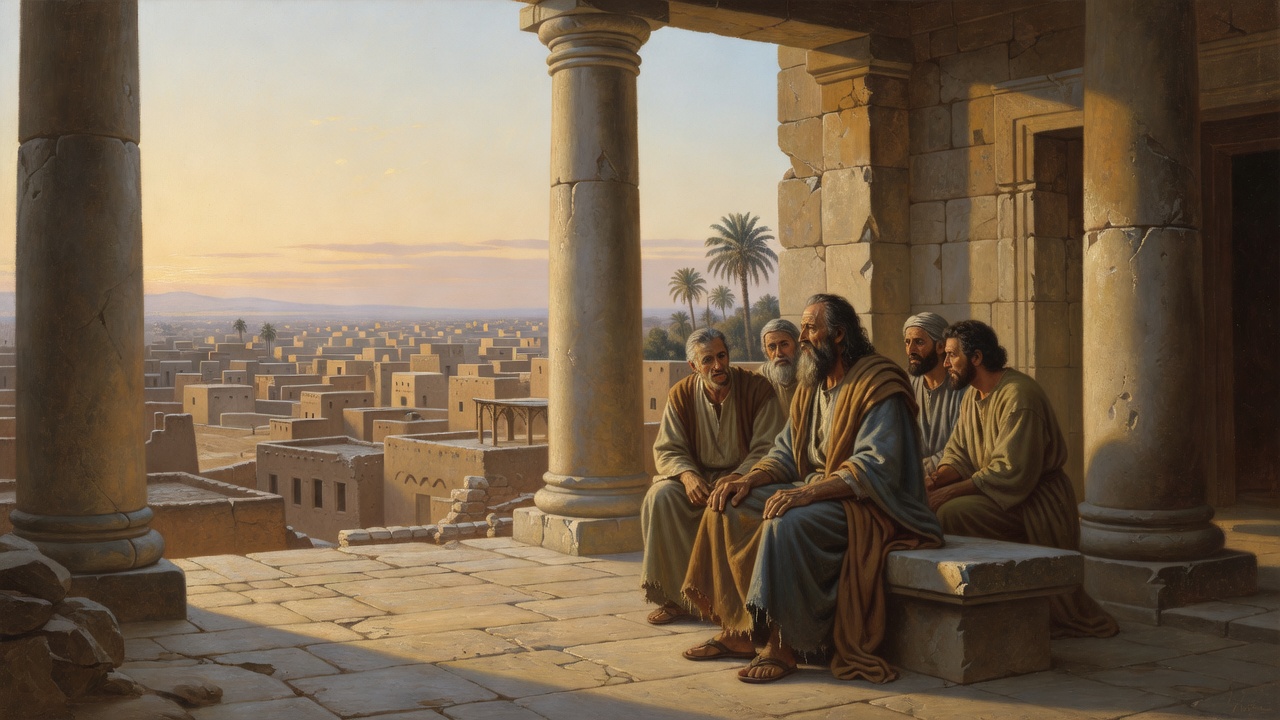
Did you know?
Vows of a Blameless Leader
- The psalm is traditionally attributed to David as a declaration of personal ethics and leadership standards. The speaker pledges to maintain integrity first within his own household and inner circle before extending justice throughout the land.Sources: the Bible text itself
- The phrase about removing the wicked every morning refers to the ancient practice of conducting judicial affairs at the beginning of the day, ensuring corruption and slander were systematically confronted in the city of the Lord.Sources: the Bible text itself
Notes written with AI assistance from open sources (Theographic Bible Metadata, CC BY-SA 4.0; Easton’s Bible Dictionary, public domain) and reviewed before publishing.
Credits and license for this translation
Baibala Hemolele
The Holy Bible in the Hawaiian language of the United States, 1868 revision
Public Domain
Language: 'Olelo Hawai'i (Hawaiian)
Translation by: na na misionari i pai
2015-11-10
Source: http://ebible.org/haw1868/ · eBible.org