Jeremiah 47
Baibala Hemolele · Tap a verse to see its cross-references.
1KA olelo a Iehova i hiki mai ia Ieremia, i ke kaula, e ku e i na Pilisetia mamua o ko Parao anai ana ia Gaza.
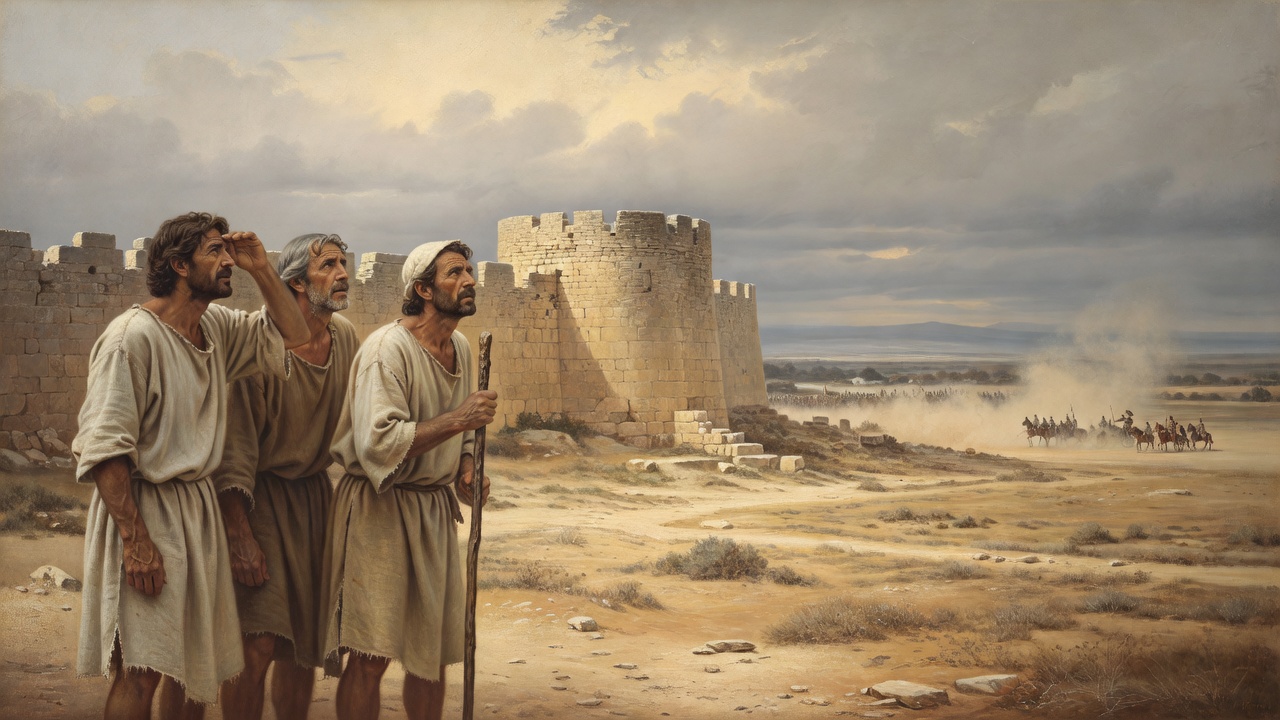
2Ke i mai nei o Iehova penei; Aia hoi, ke pii mai nei na wai, mai ke kukulu akau mai, a e lilo i wai kahe, a e halana mai no maluna o ka aina, a maluna o kona mau mea a pau e piha'i, o ke kulanakauhale, a me ka poe e noho la maloko; alaila, e uwe ai na kanaka, a e aoa hoi ka poe a pau o noho la ma ka aina.
3No ka halulu o ka hahi ana o na maiuu o kona mau lio, a no ka holo ikaika ana o kona mau kaakaua, a me ke kani ana o kona mau kaa, aole e nana ihopo na makuakane i na keiki, no ka nawaliwali o na lima.
4No ka la e hiki mai ana, e anai loa i na Pilisetia a pau, a e hooki aku, mai Turo, a mai Zidona aku i na mea kokua a pau i koe; no ka mea, e anai loa no o Iehova i na Pilisetia, i ke koena hoi o ka moku o Kapetora.
5Ua hiki mai ka ohule maluna o Gaza, ua hooki loa ia o Asekelona, o ke koena hoi o ke awawa. Pehea la ka loihi o kou okioki ana ia oe iho?
6E ka pahikaua o Iehova, pehea la ka loihi, a moe oe? e hoihoi ae ia oe iho ma kau wahi; e hoomaha, a e noho malie.
7Pehea la e hiki ai ia ia ke moe? No ka mea, ua kauoha o Iehova ia ia e ku e ia Asekelona, i ko kahakai. Malaila kona kuhikuhi ana ia ia.
Did you know?
Judgment on the Philistines
- Jeremiah refers to the Philistines as the remnant from the coasts of Caphtor. Biblical traditions identify Caphtor as the place of origin of the Philistines, a location widely associated by scholars with Crete or parts of the eastern Mediterranean coast.Sources: the Bible text itself · Caphtor
- The chapter directs its warnings against Gaza and Ashkelon, two of the five prominent Philistine cities along the Mediterranean coast. Both were ancient centers known for their strategic position and trade links connecting Egypt and the surrounding regions.Sources: the Bible text itself · Gaza · Ashkelon
- The prophecy notes that the coming destruction would cut off every remaining ally from Tyre and Sidon. These two major Phoenician ports to the north were key maritime centers whose interests were closely intertwined with the coastal region.Sources: the Bible text itself · Tyre · Sidon
Notes written with AI assistance from open sources (Theographic Bible Metadata, CC BY-SA 4.0; Easton’s Bible Dictionary, public domain) and reviewed before publishing.
Places in this chapter
- Gaza · Today: Tell Harube · 31.504, 34.464 · verses 1, 5
- Sidon · Today: Sandikli archaeological site in Sidon · 33.561, 35.372 · verse 4
- Tyre · 33.271, 35.196 · verse 4
- Ashkelon · Today: Tel Ashkelon · 31.664, 34.546 · verses 5, 7
- Great Sea · Today: Mediterranean Sea · 31.805, 34.170 · verse 5
- Philistia · 31.664, 34.546 · verse 5
Only places identified with high confidence are shown (90% or more according to the scholarly sources compiled by OpenBible). Period map: DARE (Digital Atlas of the Roman Empire), CC BY 4.0; modern map: © OpenStreetMap contributors; places: OpenBible.info (CC BY 4.0).
Credits and license for this translation
Baibala Hemolele
The Holy Bible in the Hawaiian language of the United States, 1868 revision
Public Domain
Language: 'Olelo Hawai'i (Hawaiian)
Translation by: na na misionari i pai
2015-11-10
Source: http://ebible.org/haw1868/ · eBible.org