Isaiah 31
Baibala Hemolele · Tap a verse to see its cross-references.
1A UWE ka poe iho ilalo i Aigupita no ke kokuaia mai. Ka poe i paulele i na lio, a hilinai ma na kaakaua, No ka nui o ia mau mea; A ma na hololio hoi, no ko lakou ikaika nui: Aole hoi e nana aku i ka Mea Hemolele o ka Iseraela, Aole imi aku ma o Iehova la!
2He akamai no hoi oia, A e hoopuka mai no ia i ka hewa, Aole ia e kapae i kana mau olelo; Aka, e ala mai no oia iluna e ku e i ka hale o ka poe hana hewa, E ku e hoi i ka poe kokua i na mea hana hewa.
3No ka mea, he poe kanaka wale no ko Aigupita, aohe akua; He io no ko lakou mau lio, aohe uhane; E hohola mai no o Iehova i kona lima, A e kulanalana auanei ka mea kokua, E hina no hoi ka mea e kokuaia, A e make pu no lakou a pau.
4No ka mea, penei i olelo mai ai o Iehova ia'u, E like me ka uwo ana o ka liona, A me ka liona hou hoi maluna o ka mea ana i pepehi ai, Ina i akoakoa na kahuhipa he nui loa, e ku e ia ia, Aole ia e makau i ko lakou leo, Aole hoi e kulou ilalo no ka lehulehu o lakou: Pela no o Iehova o na kaua e iho mai ai, E kaua mamuli o ka mauna o Ziona, Mamuli hoi o ko laila puu.
5E like me na manu lele, pela no o Iehova o na kaua e malama mai ai ia Ierusalema; I kona malama ana, e hoopakele no oia ia wahi, I kona hele ana ae, e hoola mai no oia.
6E huli oukou i ka mea a ua mamo a Iseraela i haalele ino ai:
7No ka mea, i kela la, E kiola aku no ke kanaka i kona mau akuakii kala, A me kona mau akuakii gula, I na mea a ko oukou mau lima i hana hewa ai no oukou.
8A e haule no ko Asuria i ka pahikaua, aole nae i ko ke kanaka, E ai no ka pahikaua ia ia, aole nae o ko ke kanaka; E auhee no ia, mai ke alo aku o ka pahikaua, A e auhauia kona poe kanaka ui.
9E hele aku no ia i kona pohaku, no ka makau. A e makau no kona poe alii no ka hae, Wahi a Iehova, ka mea nana ke ahi ma Ziona, A nana hoi ke kapuahi ma Ierusalema.
Did you know?
Warning Against Egyptian Alliances
- Isaiah denounces Judah's reliance on Egypt for military strength, especially its multitude of horses and chariots. The prophet contrasts human and military resources with divine sovereignty, reminding the people that the Egyptians are merely mortal men and their warhorses are flesh rather than spirit.Sources: the Bible text itself · Egypt
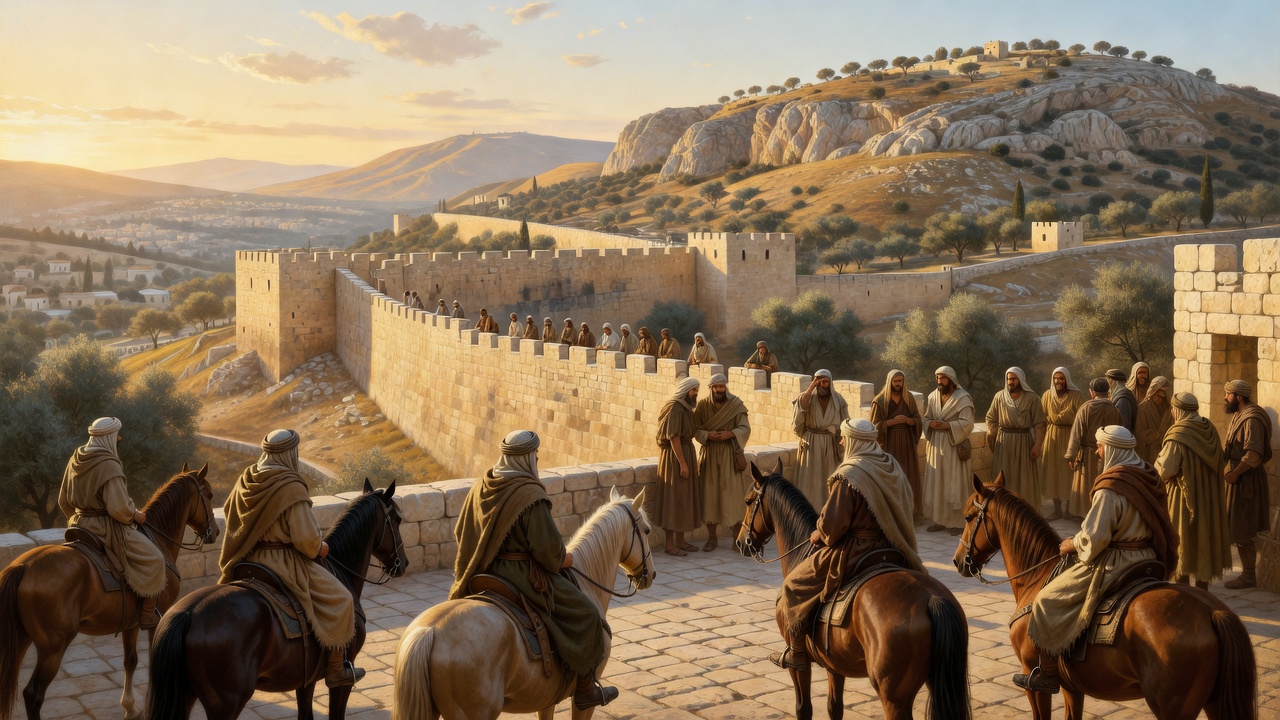
- Mount Zion, a prominent fortified hill on which Jerusalem was built, is depicted as directly defended by God. Using the imagery of an undaunted lion and hovering birds, the passage promises that Jerusalem will be protected from Assyria by divine intervention rather than by mortal swords.Sources: the Bible text itself · Jerusalem · Mount Zion
Notes written with AI assistance from open sources (Theographic Bible Metadata, CC BY-SA 4.0; Easton’s Bible Dictionary, public domain) and reviewed before publishing.
Places in this chapter
- Egypt · 30.129, 31.308 · verse 1
- Mount Zion · 31.772, 35.229 · verse 4
- Jerusalem · 31.777, 35.234 · verses 5, 9
- Assyria · 36.359, 43.153 · verse 8
- Zion · Today: Jerusalem · 31.777, 35.234 · verse 9
Only places identified with high confidence are shown (90% or more according to the scholarly sources compiled by OpenBible). Period map: DARE (Digital Atlas of the Roman Empire), CC BY 4.0; modern map: © OpenStreetMap contributors; places: OpenBible.info (CC BY 4.0).
Credits and license for this translation
Baibala Hemolele
The Holy Bible in the Hawaiian language of the United States, 1868 revision
Public Domain
Language: 'Olelo Hawai'i (Hawaiian)
Translation by: na na misionari i pai
2015-11-10
Source: http://ebible.org/haw1868/ · eBible.org