Hosea 5
Baibala Hemolele · Tap a verse to see its cross-references.
1E HOOLOHE oukou i keia, o na kahuna, E haliu mai oukou, e ko ka hale o ka Iseraela, A e lohe na pepeiao, e ko ka hale o ke alii; No ka mea, no oukou ka hoohewa. No ka mea, ua lilo oukou i pahele ma Mizepa, A i upena hohola hoi maluna o Tabora.
2Ke pepehi nui nei ka poe haalele hewa, A e hahau au ia lakou a pau.
3Ua ike au ia Eperaima, Aole hoi i hunaia ka Iseraela mai o'u aku la: No ka mea, ano, e Eperaima, ua moe kolohe no oe, A ua haumia o ka Iseraela.
4Aole lakou i hoolilo i ko lakou manao e huli hou i ko lakou Akua: No ka mea, he naau moe kolohe iwaena o lakou, Aole lakou i ike ia Iehova.
5Ke hoike mai nei ka haakei o ka Iseraela ma kona maka: Nolaila o ka Iseraela a me Eperaima, e haule pu iloko o ko lakou hewa; A o Iuda hoi kekahi e haule pu me lakou.
6A e hele lakou me ka lakou poe hipa, a me ka lakou poe bipi e imi ia Iehova, Aka, aole e loaa ia lakou; Ua hele ia mai o lakou aku.
7Ua hana hoopunipuni aku la lakou ia Iehova: No ka mea, ua hoohanau lakou i na keiki e: Ano e hoopauia auanei lakou i ka malama hookahi, a me ko lakou waiwai.
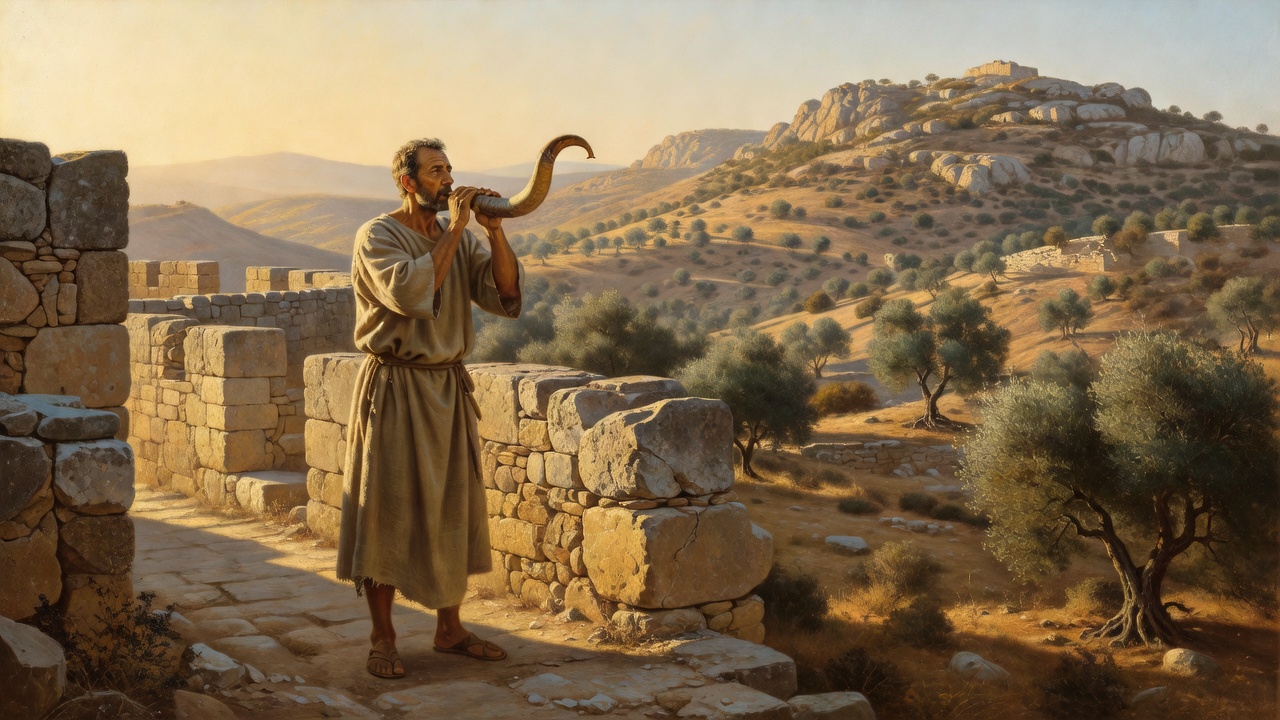
8E puhi oukou i ka pukani ma Gibea, I ka pu hoi ma Rama: E kahea nui aku ma Betavena mahope on, e Beniamina.
9A e neoneo auanei o Eperaima i ka la e hoopaiia'i: Mawaena o na ohana o ka Iseraela ua hoike aku au i ka oiaio o ka mea e hiki mai ana.
10Ua like na'lii o ka Iuda me ka poe hoonee i ka palena aina: Nolaila e ninini aku au i ko'u huhu maluna o lakou me he wai la.
11Ua hooluhiia o Eperaima, ua hookaumahaia ma ka hoohewa, No ka mea, ua lealea oia i ka hele ana mamuli o ke kauoha.
12Nolaila, e like auanei au me ka mu no Eperaima, A me he mea popopo la no ko ka hale o Iuda.
13A ike iho la o Eperaima i kona mai, a o Iuda hoi i kona. eha, Alaila, hele aku la o Eperaima i Asuria, A hoouna aku la i ke alii ku e: Aole nae e hiki ia ia ke hoola ia oukou, Aole hoi e hoola i ko oukou eha.
14No ka mea, e like auanei au me he liona la ia Eperaima, A e like me he liona hou la i ko ka hale o Iuda: Owau, owau ke haehae, a hele aku, E lawe pio aku au, aohe mea nana e hoopakele.
15E hele au a e hoi aku i ko'u wahi, A e hoopaiia lakou, a e imi mai i kuu maka: I ko lakou wa pilikia e imi koke mai lakou ia'u.
Did you know?
Judgment on the Leaders of Israel and Judah
- Hosea denounces the priests and the royal house as a snare at Mizpah and a net spread out on Mount Tabor. Mount Tabor is a prominent, cone-like mountain west of the Sea of Galilee, and Mizpah was a historic site in Gilead, both serving as notable geographic high points where corrupt leadership misled the nation.Sources: the Bible text itself · Tabor (Mountain) · Mizpah
- The alarm sounded in verse 8 names towns along the border ridge of Benjamin: Gibeah, Ramah, and Beth-aven. Beth-aven, meaning house of idols or nothingness, was a derogatory prophetic term for Bethel, mocking the golden calf worship established there.Sources: the Bible text itself · Beth-aven · Gibeah · Ramah
- The prophet faults Ephraim for turning to the great king of Assyria to cure its national afflictions instead of seeking God. Centered along the Tigris River, the expanding Assyrian Empire subdued Northern Syria and exacted tribute across the region under rulers like Tiglath-pileser.Sources: the Bible text itself · Assyria · Tilgath-pilneser
Notes written with AI assistance from open sources (Theographic Bible Metadata, CC BY-SA 4.0; Easton’s Bible Dictionary, public domain) and reviewed before publishing.
Places in this chapter
- Mount Tabor · Today: Jebel et Tur · 32.686, 35.393 · verse 1
- Beth-aven · Today: Beitin · 31.923, 35.241 · verse 8
- Assyria · 36.359, 43.153 · verse 13
Only places identified with high confidence are shown (90% or more according to the scholarly sources compiled by OpenBible). Period map: DARE (Digital Atlas of the Roman Empire), CC BY 4.0; modern map: © OpenStreetMap contributors; places: OpenBible.info (CC BY 4.0).
Credits and license for this translation
Baibala Hemolele
The Holy Bible in the Hawaiian language of the United States, 1868 revision
Public Domain
Language: 'Olelo Hawai'i (Hawaiian)
Translation by: na na misionari i pai
2015-11-10
Source: http://ebible.org/haw1868/ · eBible.org