Ephesians 6
Baibala Hemolele · Tap a verse to see its cross-references.
1E NA keiki, e hoolohe i ko oukou mau makua no ka Haku: no ka mea, he pono keia.
2E hoomaikai oe i kou makuakane a me ka makuwahine; o ke kauoha mua keia, e pili ana me ka olelo e pomaikai ai:
3I pomaikai ai oe, i loihi ai hoi kou noho ana ma ka honua.
4Oukou boi, e na makua, mai hoonaukiuki aku i na keiki a oukou; aka, e alakai ia lakou ma ka hoopono a me ka hoonaauao a ka Haku.
5E na kauwa, e hoolohe oukou i na haku o oukou ma ke kino, me ka makau a me ka weliweli, a me ke kupono o ko oukou naau, e like me ia Kristo:
6Aole ma ka hooikaika ike maka ia mai, e like me ka poe hoolealea i kanaka; aka, e like me na kauwa a Kristo, e hana ana i ka makemake o ke Akua ma ka naau;
7Me ka naau oluolu e hookauwa ana na ka Haku, aole na kanaka.
8E ike hoi oukou, a i haua kekahi i ka mea maikai, e ukuia mai oia e ka Haku, o ka mea paa a me ka mea paa ole.
9Oukou hoi, e na haku, pela hoi oukou e hana aku ai ia lakou, aole ka hooweliweli aku; e manao oukou, aia ka lani ka Haku o oukou iho; aole boi ia ia ka nana mai ma ko ke kanaka kino.
10Eia hoi, o na hoahanau o'u, i ikaika oukou ma ka Haku, a ma ka ikaika o kona mana.
11E aahu iho oukou i ke kahiko a pau a ke Akua, i hiki ia oukou ke kupaa imua o na hana maalea a ka diabolo.
12No ka mea, aole kakou e hakoko ana me ka mea io a me ka mea koko; aka me na alii, na mea ikaika, na haku o ka pouli o keia ao, a me na uhane ino o ka lewa.
13No ia hoi, e lawe oukou i ke kahiko a pau a ke Akua, i pono ia oukou ke kupaa, ke hiki mai ka la ino; a pau ae la na mea i ka hanaia, e kupaa oukou.
14E ku pono hoi oukou, i kakooia ko oukou puhaka i ka oiaio, a pulikiia oukou i ka paleumauma o ka pono:
15I haweleia hoi ko oukou wawae i ka makaukau no ka euanelio e malu ai.
16Maluna oia mau mea a pau, e lawe hoi i ka aabuapoo o ka manaoio, i mea e hiki ai ia oukou ke kinai iho i na iho wela a pau o ka mea ino.
17E lawe hoi i ka mahiole o ke ola, a me ka pahikaua o ka Uhane, oia no ka olelo a ke Akua:
18E pule mau ana i na pule a pau, a me ka nonoi aku ma ka U hane; a no ia mea hoi, e kiai oukou me ka hooikaika mau a me ka pule aku no na haipule a pau;
19A ia'u hoi, i haawiia mai ia'u ka olelo e hai aku ai kuu waha me ka makau ole, e hoike aku i ka mea pohihihi o ka euanelio;
20No ia mea, he elele no wau e paa ana i ke kaulahao: i olelo wiwo ole aku au ilaila, e liko me ka'u pono e ololo aku ai.
21I ike hoi oukou i ka'u mau mea e noho noi, a me ka'u hana ana, na Tukiko he hoahanau aloha, he lawehana malama pono hoi i ka ka Haku, nana e hoike aku i na mea a pau ia oukou:
22Oia ka'u i hoouna aku ai ia oukou no keia mea, i ike ai oukou i ka wakou, i hooluolu aku ai boi oia i ko oukou naau.
23I pomaikai na hoahanau, i aloha hoi me ka manaoio, mai ke Akua ka Makua mai, a me ka Haku Iosu Kristo.
24E alohaia ka poe a pau i aloha io aku i ko kakou Haku ia Iesu Kristo. Amene.
Did you know?
Household duties, God's armor, and Tychicus
- This chapter presents the command to honor one's father and mother as the first commandment with a promise: that it may go well with you and that you may have a long life on the earth. It also tells fathers not to provoke their children to wrath, but to bring them up in the discipline and instruction of the Lord.Sources: the Bible text itself
- The chapter says the struggle is not against flesh and blood, but against rulers, authorities, the powers of this world's darkness, and spiritual forces of evil in the heavenly realms. Readers are urged to take up the full armor of God—a belt of truth, a breastplate of righteousness, feet fitted with the readiness of the gospel of peace, a shield of faith, a helmet of salvation, and the sword of the Spirit, which is the word of God—so they can stand when the day of evil comes.Sources: the Bible text itself
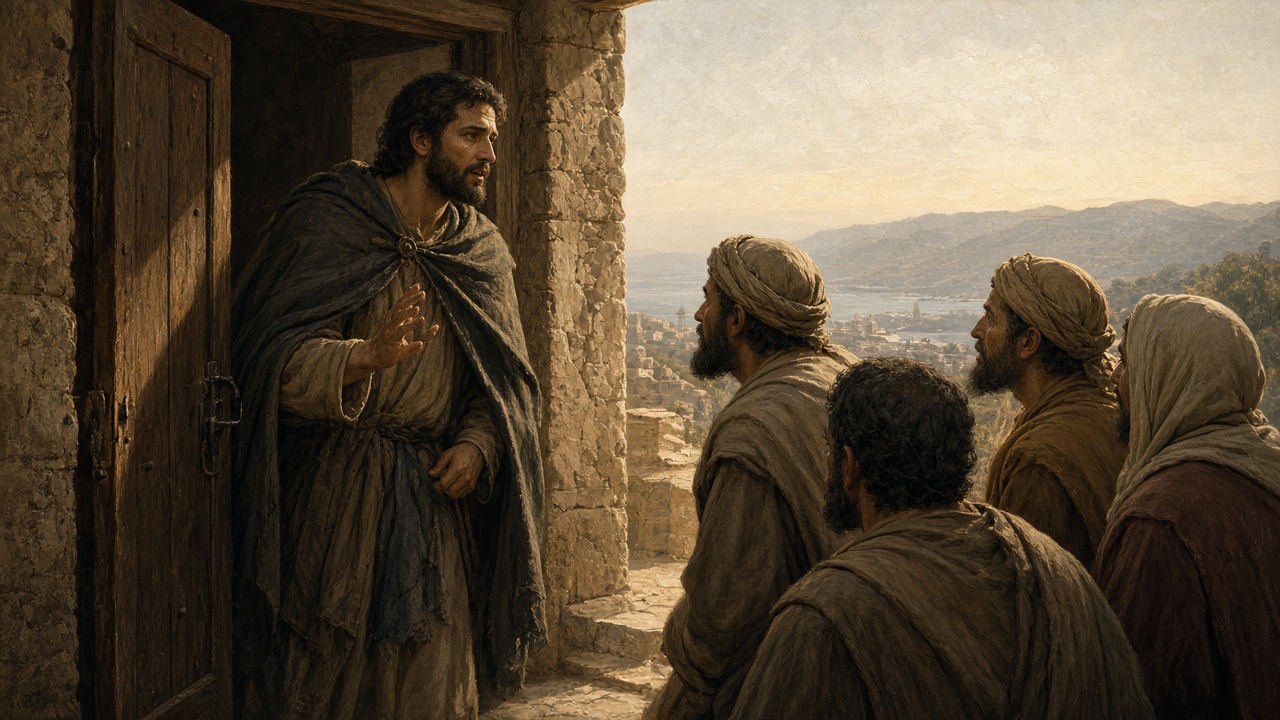
- The writer asks for prayer to proclaim the gospel fearlessly as an ambassador in chains, and sends Tychicus, the beloved brother and faithful servant in the Lord, to tell the readers how he is and to encourage them. Tychicus is described as an Asiatic Christian who, with Trophimus, accompanied Paul on part of the journey from Macedonia to Jerusalem and was with Paul at Rome, from where he was sent to Ephesus, probably to build up and encourage the church.Sources: the Bible text itself · Tychicus
Notes written with AI assistance from open sources (Theographic Bible Metadata, CC BY-SA 4.0; Easton’s Bible Dictionary, public domain) and reviewed before publishing.
Credits and license for this translation
Baibala Hemolele
The Holy Bible in the Hawaiian language of the United States, 1868 revision
Public Domain
Language: 'Olelo Hawai'i (Hawaiian)
Translation by: na na misionari i pai
2015-11-10
Source: http://ebible.org/haw1868/ · eBible.org