Deuteronomy 16
Baibala Hemolele · Tap a verse to see its cross-references.
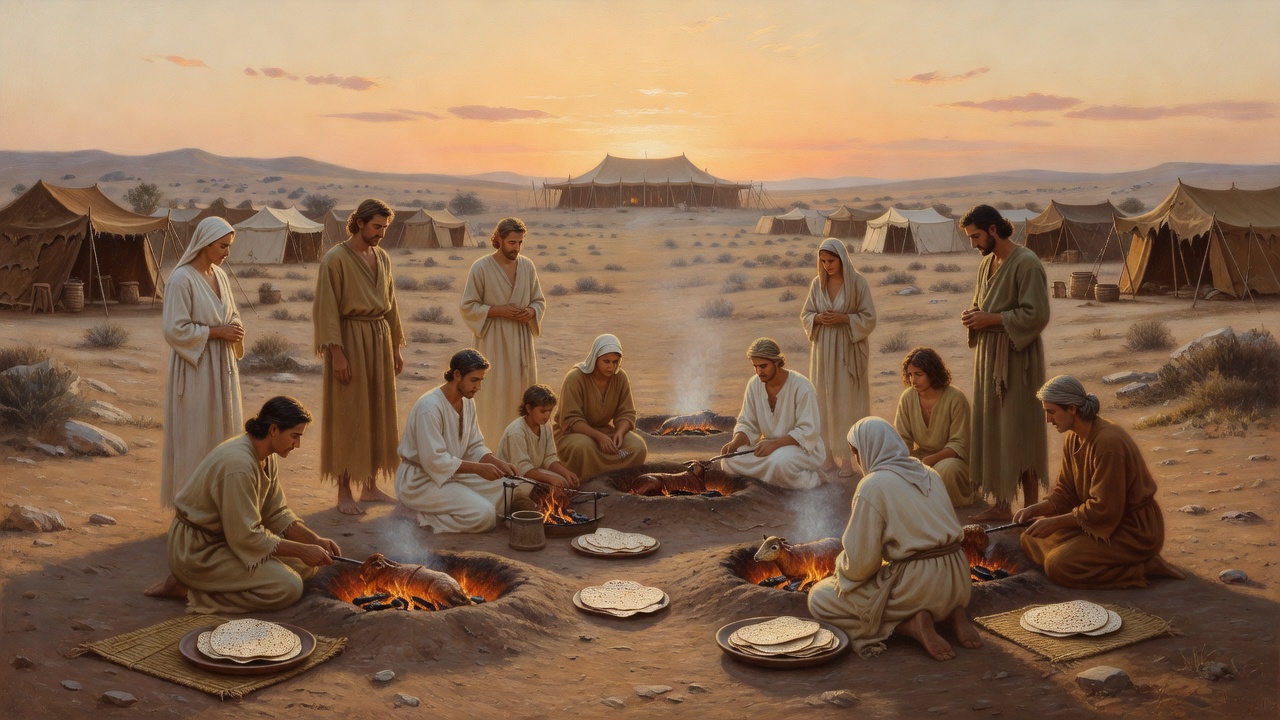
1E HOOMANAO oe i ka malama o Abiba, a e malama oe i ka moliaola na Iehova kou Akua: no ka mea, o Abiba ka malama a Iehova kou Akua i lawe mai ai ia oe mailoko mai o Aigupita i ka po.
2E kalua oe i ka moliaola na Iehova kou Akua, no ka poe hipa a me ka bipi ma kahi a Iehova e wae ai e hoopaa i kona inoa malaila.
3Mai ai pu oe me ia i ka berena hu: i na la ehiku e ai oe i ka berena hu ole me ia, i ka berena o ka poino; no ka mea, ua hele mai oe mai ka aina o Aigupita mai me ka lalelale, i hoomanao oe i ka la au i hele mai ai mailoko mai o ka aina o Aigupita i na la a pau o kou ola ana.
4I na la ehiku aole e ikeia ka berena hu me oe ma kou mau wahi a pau; aole e waiho oe a ao ka po i kekahi io o ka mea au i kalua ai i ka la mua i ke ahiahi.
5Mai pepehi oe i ka moliaola ma kou mau ipuka a pau a Iehova kou Akua i haawi mai ai ia oe:
6Aka, ma kahi a Iehova kou Akua i wae ai e hoopaa i kona inoa, malaila oe e pepehi ai i ka moliaola i ke ahiahi, i ka napoo ana o ka la, i ka manawa au i puka ae mai Aigupita mai.
7A e hoolapalapa oe ia mea, a e ai iho ma kahi a Iehova kou Akua e wae ai: a kakahiaka e huli ae oe a hoi i kou mau halelewa.
8I na la eono oe e ai ai i ka berena hu ole; a i ka hiku o ka la, he halawai no Iehova kou Akua; mai hana oe i ka hana.
9E helu oe i na hebedoma ehiku nou; mai ka manawa e hoomaka'i e oki i ka palaoa, e hoomaka'i oe e helu i na hebedoma ehiku.
10A e malama oe i ka ahaaina o na hebedoma na Iehova kou Akua me ka makanaaloha ma kou lima au e haawi wale aku, e like me ka Iehova kou Akua i hoopomaikai ai ia oe.
11A e olioli oe imua o Iehova kou Akua, o oe, a me kau keikikane, a me kau kaikamahine, a me kau kauwakane a me kau kauwawahine, a me ka Levi iloko o kou mau ipuka, a me ka malihini, a me ka mea makua ole, a me ka wahinekanemake me oe, ma kahi a Iehova kou Akua i wae ai e hoopaa i kona inoa malaila.
12A e hoomanao hoi oe, he kauwa luhi no oe ma Aigupita; a e malama, e hana hoi i keia mau kanawai.
13E malama oe i ka ahaaina kauhalelewa i na la ehiku, mahope o kau ohi ana i kau palaoa a me kau waina.
14A e olioli oe i kau ahaaina, o oe, a me kau keikikane, me kau kaikamahine, a me kau kauwakane, a me kau kauwawahine, a me ka Levi, a me ka malihini, a o ka mea makua ole, a me ka wahinekanemake iloko o kou mau ipuka.
15I na la ehiku oe e ahaaina ai na Iehova kou Akua, ma kahi a Iehova i wae ai; no ka mea, e hoomaikai o Iehova kou Akua ia oe, ma kau loaa ana a pau, a ma na hana a pau a kou lima; a e olioli nui no oe.
16Ekolu manawa i ka makahiki hookahi e hoikeia na kane a pau ou imua o Iehova kou Akua, ma kahi ana i wae ai: i ka ahaaina berena hu ole, i ka ahaaina o na hebedoma, a me ka ahaaina kauhalelewa: aole e hoike wale ia o lakou imua o Iehova;
17O kela kanaka keia kanaka me ka makana a kona lima, e like me ka pomaikai a Iehova kou Akua i haawi mai ai ia oe.
18A e hoonoho oe i na lunakanawai a me na ilamuku ma kou mau ipuka a pau a Iehova kou Akua i haawi mai ai nou ma kou mau ohana, a e hooponopono lakou i na kanaka me ka hoopono pololei.
19Mai pale ae oe i ka pono, aole hoi e nana aku i na maka, aole hoi oe o lawe i ke kipe; no ka mea, ke hoomakapo ke kipe i na maka o ka poe naauao, a ke hoololi ae i na mea o ka poe pono.
20O ka pono io kau e hahai ai, i ola'i oe, a i hooliloia'i nou ka aina a Iehova kou Akua i haawi mai ai ia oe.
21Mai kanu oe i ululaau o kela laau o keia laau nou e kokoke ana i ke kuahu o Iehova kou Akua au e hana'i nou.
22Mai kukulu hoi oe i kii nou, ka mea ia a Iehova kou Akua e inaina ai.
Did you know?
Appointed Feasts and Righteous Justice
- Deuteronomy mandates three annual pilgrimage festivals—the Feast of Unleavened Bread (Passover), the Feast of Weeks, and the Feast of Tabernacles. For these occasions, the men of Israel were required to travel and appear before God not in their local towns, but at the specific central location chosen as a dwelling for His Name.Sources: the Bible text itself
- The celebrations of the Feast of Weeks and the Feast of Tabernacles explicitly included vulnerable members of society, such as servants, Levites, foreigners, orphans, and widows. These communal rejoicings were tied to the memory of Israel's liberation from slavery in Egypt.Sources: the Bible text itself
- In addition to religious assemblies, the text commands the appointment of local judges and officials across every town. They were forbidden from taking bribes or showing partiality, establishing the standard to pursue justice alone throughout the land.Sources: the Bible text itself
Notes written with AI assistance from open sources (Theographic Bible Metadata, CC BY-SA 4.0; Easton’s Bible Dictionary, public domain) and reviewed before publishing.
Places in this chapter
Only places identified with high confidence are shown (90% or more according to the scholarly sources compiled by OpenBible). Period map: DARE (Digital Atlas of the Roman Empire), CC BY 4.0; modern map: © OpenStreetMap contributors; places: OpenBible.info (CC BY 4.0).
Credits and license for this translation
Baibala Hemolele
The Holy Bible in the Hawaiian language of the United States, 1868 revision
Public Domain
Language: 'Olelo Hawai'i (Hawaiian)
Translation by: na na misionari i pai
2015-11-10
Source: http://ebible.org/haw1868/ · eBible.org