Amos 4
Baibala Hemolele · Tap a verse to see its cross-references.
1E HOOLOHE oukou i keia olelo, e na bipi wahine o Basana, Na mea ma na mauna o Samaria, Na mea e hookaumaha ana i ka poe ilihune, Na mea e hooluhi ana i ka poe nele, Na mea e olelo ana i ko lakou mau haku, E lawe mai, a e inu kakou.
2Ua hoohiki o Iehova ka Haku, ma kona hemolele, Aia hoi, e hiki mai ana na la maluna o oukou, E lawe aku ai oia ia oukou me na kilou, A i ka poe mahope o oukou i na makau lawaia.
3A e puka aku oukou, ma ua wahi hiolo, o kela mea keia mea ma kona alo, A e hooleiia'ku iwaho o ka pakaua, wahi a Iehova.
4E hele mai oukou i Betela, a e hana hewa; E hoonui i ka hana hewa ma Gilegala; A lawe mai oukou i ka oukou mau mohai no ke kakahiaka, A i na hapaumi o oukou no ke kolu o na makahiki:
5A e puhi i ka berena hu i mohai aloha, A e hoike aku i na mohai aloha i lohe: No ka mea, o ka oukou makemake no ia, e na mamo a Iseraela, wahi a Iehova ka Haku.
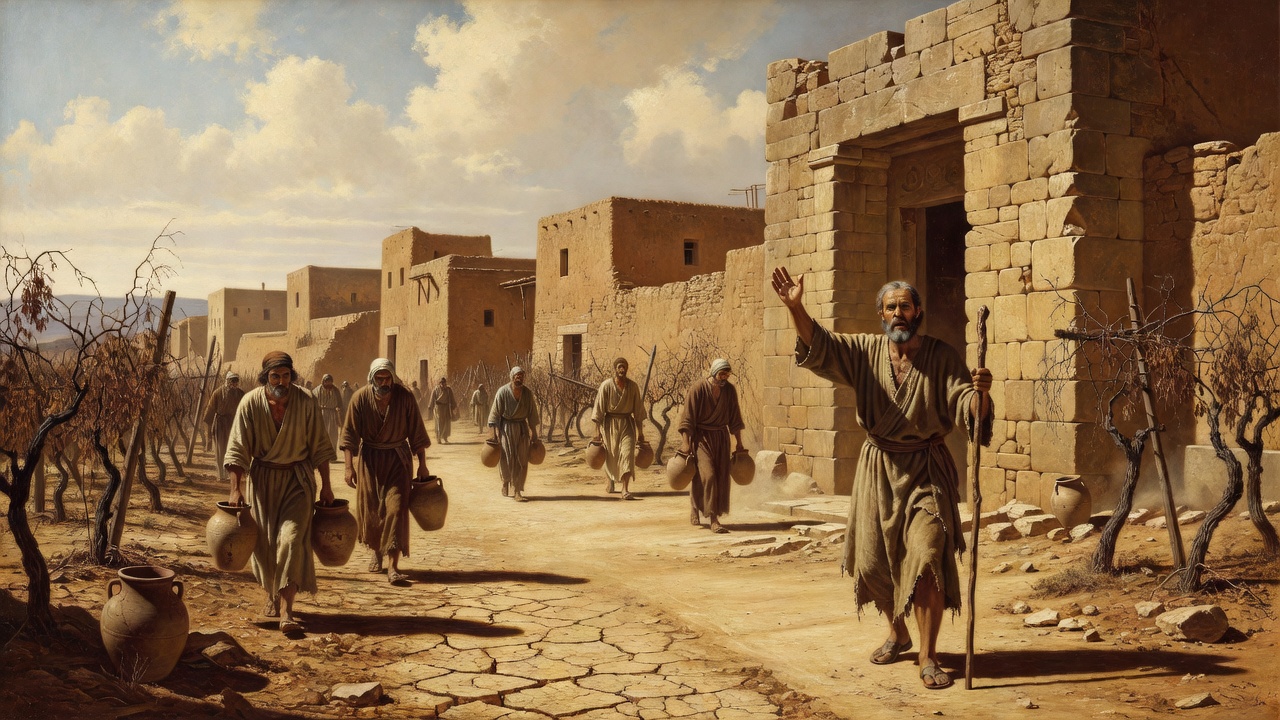
6A ua haawi aku hoi au ia oukou i ka maemae o na niho ma ko oukou mau kulanakauhale a pau, A i ka nele i ka berena ma ko oukou mau wahi a pau: Aka, aole oukou i hoi hou mai ia'u, wahi a Iehova.
7A paa ia'u ka ua, mai o oukou aku, i ka manawa ekolu malama i koe a hiki i ka ohi ana: A hooua iho au maluna o kekahi kulanakauhale, A hooua ole au maluna o kekahi kulanakauhale: Ua hoouaia kau wahi, A o kahi i hooua ole ia, ua maloo.
8A hele aku elua ekolu paha na kulanakauhale i kekahi kulanakauhale e inu i ka wai, aole nae i kena: Aka, aole oukou i hoi hou mai ia'u, wahi a Iehova.
9Ua hahau aku au ia oukou i ka hua ai maalili, a me ka punahelu: He nui ko oukou kihapai, ko oukou mau pawaina, a me ko oukou mau laau fiku, a me ko oukou mau laau oliva, ua aiia hoi e ka uhini opiopio hulu ole; Aka, aole oukou i hoi hou mai ia'u, wahi a Iehova.
10A ua hoouna aku au iwaena o oukou i ke ahulau, e like me ia ma Aigupita; Ua luku aku au i ko oukou poe kanaka opio i ka pahikaua, Me ko oukou poe lio i pioia; A ua hoopii ae au i ka pilau o ko oukou hoomoana ana, a hiki i ko oukou mau ihu; Aka, aole oukou i hoi hou mai ia'u, wahi a Iehova.
11Ua luku aku au iwaena o oukou, E like me ka luku ana o ke Akua ia Sodoma a me Gomora; Ua like hoi oukou me ka momokuahi i kailiia mai loko mai o ke ahi: Aka, aole oukou i hoi hou mai ia'u, wahi a Iehova.
12No ia mea, pela au e hana aku ai ia oe, e ka Iseraela: A no ka'u hana ana aku i keia ia oe, E hoomakaukau oe e halawai me kou Akua, e ka Iseraela.
13No ka mea, aia hoi, o ka mea nana i hana na mauna, A o ka mea i hana i ka makani, A hai aku i ke kanaka i kona manao, A o ka mea i hoolilo i ka wanaao i pouli, O ka mea e hehi ana maluna o na wahi kiekie o ka honua, O Iehova, ke Akua o na kaua, kona inoa.
Did you know?
Unheeded Warnings and the God of Hosts
- Amos addresses the wealthy, exploitative women of Samaria by calling them cows of Bashan. Samaria was the hilltop capital of the northern kingdom of Israel, while Bashan was a fertile region north of Gilead known for its rich pastures.Sources: the Bible text itself · Samaria · Bashan
- The prophet sarcastically invites the people to bring sacrifices and tithes to Bethel and Gilgal. Both locations had deep historical and religious importance in Israel, but had become sites of hollow religious ritual and transgression.Sources: the Bible text itself · Bethel (of Palestine) · Gilgal
- Amos recounts a series of divine warnings through natural and military disasters, including severe drought, crop-destroying locusts, pestilence reminiscent of Egypt, and battlefield defeat. Despite each disaster, the text repeats the refrain that the people refused to return to God.Sources: the Bible text itself · Egypt
Notes written with AI assistance from open sources (Theographic Bible Metadata, CC BY-SA 4.0; Easton’s Bible Dictionary, public domain) and reviewed before publishing.
Places in this chapter
- Bashan · 32.781, 35.935 · verse 1
- Samaria · 32.276, 35.195 · verse 1
- Egypt · 30.129, 31.308 · verse 10
Only places identified with high confidence are shown (90% or more according to the scholarly sources compiled by OpenBible). Period map: DARE (Digital Atlas of the Roman Empire), CC BY 4.0; modern map: © OpenStreetMap contributors; places: OpenBible.info (CC BY 4.0).
Credits and license for this translation
Baibala Hemolele
The Holy Bible in the Hawaiian language of the United States, 1868 revision
Public Domain
Language: 'Olelo Hawai'i (Hawaiian)
Translation by: na na misionari i pai
2015-11-10
Source: http://ebible.org/haw1868/ · eBible.org