2 Corinthians 10
Baibala Hemolele · Tap a verse to see its cross-references.
1O WAU iho, o Paulo, ka mea haahaa i ko'u noho ana me oukou, aka, ma kahi e ua au ko'u manao ia oukou, ke noi aku nei au ia oukou ma ke akahai a me ka oluolu o Kristo.
2Ke noi aku nei au, i aa ole ko'u naau me oukou, e like me ko'u manao e aa aku i kekahi poe e manao mai ana ia makou, ua holo makou mamuli o ke kino.
3No ka mea, ke noho nei makou me ke kino, aole nae makou e kaua aku mamuli o ke kino.
4(Aole no ke ao nei na mea kaua o ko makou kaua ana; aka, he ikaika nae i ke Akua o hoohiolo iho ai i na pakaua;)
5E hoohiolo ana hoi i na manao, a me na mea kiekie a pau e hookiekie ana ae, e ku e i ka naanao o ke Akua, a e kai pio ana i na inanao a pau i ka hoolohe aku ia Kristo:
6Ua makaukau hoi makou e hoopai aku i ka hookuli a pau, aia ku pono mai ko oukou hoolohe.
7Ke nana nei anei oukou i na mea ma ka helehelena? A i manao kekahi ia ia iho, ua lilo ia no Kristo, he pono no e manao hou ia ia iho, me ia i lilo ai no Kristo, pela no hoi makou i lilo ai no Kristo.
8No ka mea, ina paha wau e kaena nui aku i ko makou mana a ke Akua i haawi mai ai ia makou no ke kukulu paa, aole no ka luku aku ia oukou, aole no au e hilahila:
9I manao ole ia mai au e hooweliweli aku ana ia oukou ma na palapala.
10Ke olelo ae la lakou, Ua koikoi a ua ikaika kana mau palapala; aka, ua palupalu kona kino ma ke kokoke, a o kana olelo ana, oia ke hoowahawahaia.
11O ka mea i olelo pela, eia kana e manao pono ai; e like me ka makou olelo ana ma ka palapala ma kahi e, pela io no auanei makou e hana aku ai ma ke kokoke.
12Aole makou e hiki ke hoopili aku, aole hoi e hoohalike aku ia makou iho me kekahi poe e hoomaikai ana ia lakou iho; no ka mea, i ke ana ana ia lakou iho ma ko lakou iho, a i ka hoohalike ana ia lakou iho me ko lakou iho, aole i naauao lakou.
13Aole makou e kaena i na mea i ana ole ia, aka, e like me ke ana o ka mokuna a ke Akua i haawi mai ai, e hiki aku ana io oukou la.
14Aole makou i hele ma o aku o ko makou mokuna me he hiki ole aku io oukou la; aka, ua hiki aku hoi makou io oukou la me ka euanelio a Kristo.
15Aole no makou e kaena aku i na mea i ana ole ia maloko o na hana a hai; aka, ke manao nei makou, aia mahuahua ae ko oukou manaoio, e hoonui loa ia'e makou e oukou maloko o ko makou mokuna,
16I hai aku ai makou i ka euanelio ma o aku o ko oukou wahi, aole no hoi e kaena aku i na mea i hoomakaukau e ia mai maloko o ko hai mokuna.
17A o ka mea e kaena ana, he pono no ia e kaena i ka ka Haku.
18No ka mea, aole i aponoia mai ka mea hoomaikai ia ia iho, aka, o ka mea a ka Haku i hoomaikai mai.
Did you know?
Letters, Presence, and Warfare Not of This World
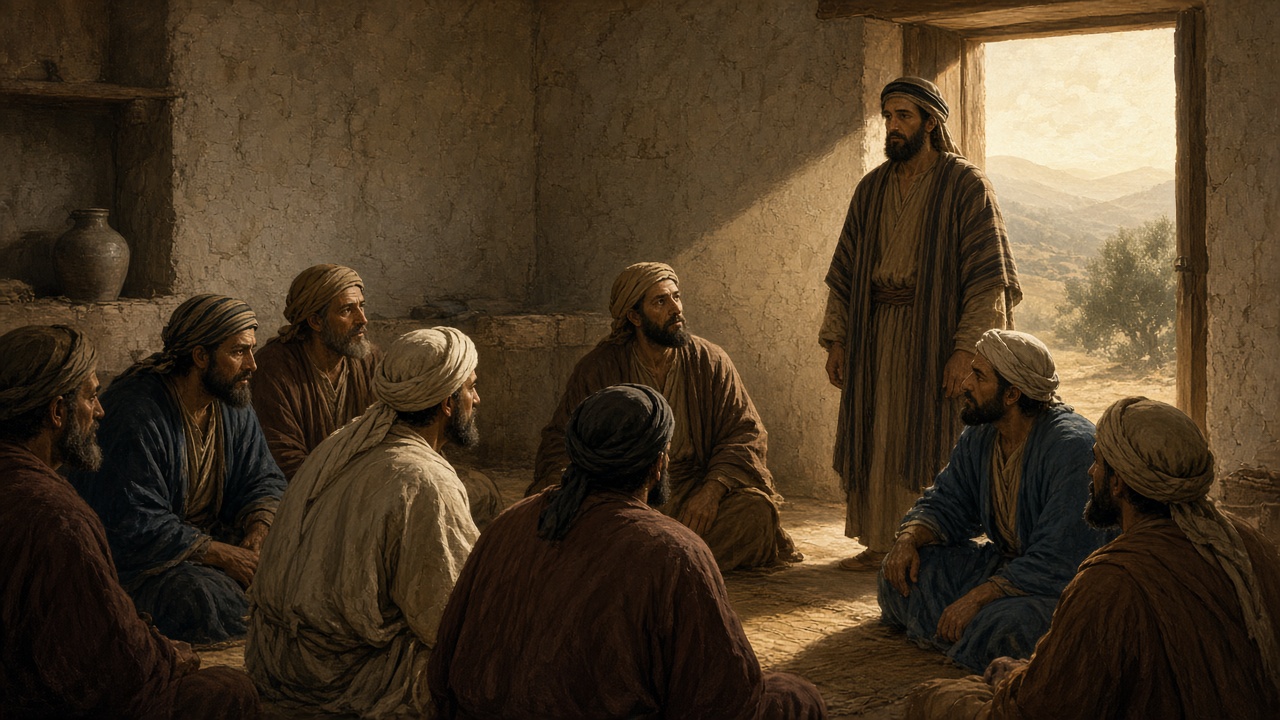
- Some people measured Paul by appearances and by his speech. They granted that his letters were weighty and forceful, yet called his physical presence unimpressive and his speaking of no account. He replies that what he is in his letters when away, he will be in his actions when he is present.Sources: the Bible text itself
- He casts the conflict in military terms, but not as an ordinary fight. Living in the flesh, he says, does not mean waging war according to the flesh. The weapons he claims are not the world's; they have divine power to pull down strongholds, to dismantle arguments and every presumption set against the knowledge of God, and to bring every thought into obedience to Christ.Sources: the Bible text itself
- Paul will not boast beyond the field of influence God has assigned him, a field that already includes his readers, since he was the first to reach them with the gospel of Christ. Anyone who boasts, he says, should boast in the Lord; approval belongs not to the one who commends himself, but to the one whom the Lord commends.Sources: the Bible text itself
Notes written with AI assistance from open sources (Theographic Bible Metadata, CC BY-SA 4.0; Easton’s Bible Dictionary, public domain) and reviewed before publishing.
Places in this chapter
- Corinth · 37.906, 22.879 · verse 14
Only places identified with high confidence are shown (90% or more according to the scholarly sources compiled by OpenBible). Period map: DARE (Digital Atlas of the Roman Empire), CC BY 4.0; modern map: © OpenStreetMap contributors; places: OpenBible.info (CC BY 4.0).
Credits and license for this translation
Baibala Hemolele
The Holy Bible in the Hawaiian language of the United States, 1868 revision
Public Domain
Language: 'Olelo Hawai'i (Hawaiian)
Translation by: na na misionari i pai
2015-11-10
Source: http://ebible.org/haw1868/ · eBible.org