Psalms 32
Bib Sen An · Tap a verse to see its cross-references.
Yon Sòm David. Yon Sòm Refleksyon
1A la beni se sila ki padone pou transgresyon li,
pou peche li ki kouvri a!
2A la nonm beni se sila SENYÈ a pa jije kon koupab la,
e nan lespri a sila ki pa gen manti a.
3Lè m te kenbe silans selon peche mwen,
kò m te desann bese nèt e mwen t ap plenyen tout lajounen.
4Paske lajounen kon lannwit,
men Ou te lou sou mwen.
Fòs mwen te epwize vin bese
tankou gwo chalè nan gran sezon ete. Tan
5Mwen te vin rekonèt peche m devan Ou,
e inikite mwen, mwen pa t ankò kache.
Mwen te di: “Mwen va konfese transgresyon mwen yo a SENYÈ a”,
epi Ou te padone koupabilite m pou peche mwen yo.
6Konsa, kite tout sila ki fidèl yo priye vè Ou menm,
nan yon lè ke Ou toujou disponib.
Anverite, nan gran flèv dlo yo,
yo p ap kab rive kote Li ankò.
7Ou se kote ke m konn kache a.
Ou pwoteje mwen kont gwo twoub.
Ou antoure mwen avèk chanson delivrans yo.
8Mwen va enstwi ou e fè ou aprann chemen
nan sila ou dwe ale a.
Mwen va bay ou konsèy avèk zye M sou ou.
9Pa fè tankou cheval oswa milèt ki pa gen konprann menm,
ki nan tout sikonstans, oblije gen brid ak bosal ki pou ralanti yo.
Otreman, yo p ap vin kote ou.
10Anpil se tristès a mechan yo,
men sila ki mete konfyans li nan SENYÈ a,
se lanmou dous ki va antoure li.
11Fè kè kontan nan SENYÈ a e rejwi, nou menm ki jis!
Rele avèk jwa, nou tout ki dwat nan kè nou yo.
Did you know?
The Joy of Forgiveness and Guidance
- The psalm opens with the title designating it as a Maskil of David, a term traditionally associated with an instructional or contemplative song, reflecting on the contrast between the distress of hidden sin and the blessing of forgiveness.Sources: the Bible text itself
- The Hebrew term Selah appears three times in this psalm (verses 4, 5, and 7), commonly interpreted as a musical pause or a moment for reflection during the recitation of the text.Sources: the Bible text itself
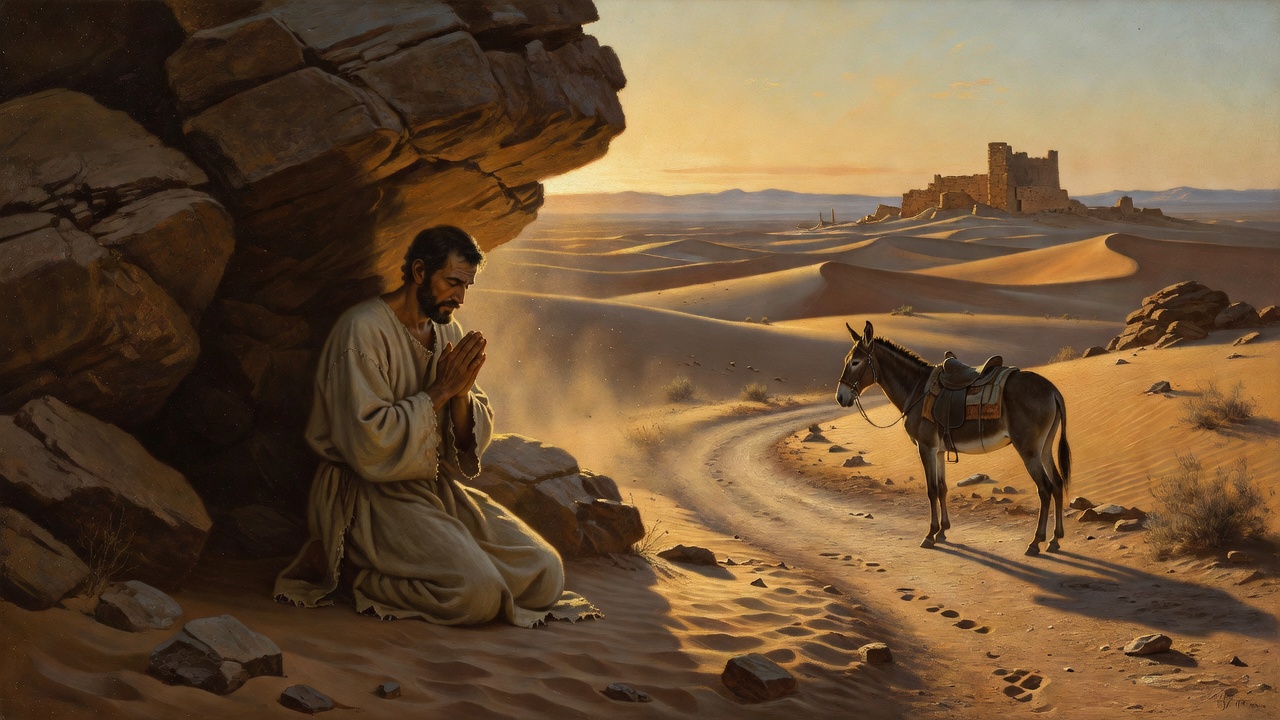
- The psalm uses the imagery of working animals, contrasting the willing follower of divine counsel with stubborn horses and mules that require a bit and bridle to be guided.Sources: the Bible text itself
Notes written with AI assistance from open sources (Theographic Bible Metadata, CC BY-SA 4.0; Easton’s Bible Dictionary, public domain) and reviewed before publishing.
Credits and license for this translation
Bib Sen An
The Holy Bible in Haitian Creole, 2023 update
copyright © 2017-2023 Ron Smith
Language: Kreyòl Ayisyen (Haitian)
Translation by: Ron Smith
Contributor: Felix Nixon
This translation is made available to you under the terms of the
Creative Commons Attribution Share-Alike license 4.0.
You have permission to share and redistribute this Bible translation in any format and to make reasonable revisions and adaptations of this translation, provided that:
You include the above copyright and source information.
If you make any changes to the text, you must indicate that you did so in a way that makes it clear that the original licensor is not necessarily endorsing your changes.
If you redistribute this text, you must distribute your contributions under the same license as the original.
Pictures included with Scriptures and other documents on this site are licensed just for use with those Scriptures and documents.
For other uses, please contact the respective copyright owners.
Note that in addition to the rules above, revising and adapting God's Word involves a great responsibility to be true to God's Word. See Revelation 22:18-19.
2026-06-11
Source: http://ebible.org/hatbsa/ · eBible.org