Psalms 16
Bib Sen An · Tap a verse to see its cross-references.
Yon Sòm David
1Pwoteje m O Bondye, paske mwen kache nan Ou.
2Mwen te di a SENYÈ, Ou se Senyè mwen.
Mwen pa gen anyen ki bon sof ke Ou menm.
3Selon sen sou latè yo, se moun manyifik yo ye;
sou yo menm mwen pran tout plezi m yo.
4Doulè a sila ki te fè donn a yon lòt dye va vin ogmante;
Mwen p ap vin vide ofrann bwason san pa yo,
ni non yo p ap sòti sou lèv mwen.
5SENYÈ a se pòsyon eritaj mwen ak tas mwen;
Se Ou menm ki bay soutyen a pati pa m nan.
6Lizyè yo vin tonbe nan kote ki tèlman bèl pou mwen.
Anverite, eritaj mwen bèl pou mwen.
7Mwen va beni SENYÈ a ki te ban m konsèy la.
Anverite, panse mwen toujou vin enstwi mwen pandan lannwit.
8Mwen te mete SENYÈ a devan zye m tout tan.
Akoz Li se men dwat mwen, mwen p ap ebranle menm.
9Pou sa, kè m kontan e glwa mwen fè rejwisans.
Anplis, chè m va toujou pwoteje.
10Paske Ou p ap abandone nanm mwen
nan sejou mò yo;
ni Ou p ap pèmèt Sila Ki Sen Ou an vin tonbe an pouriti.
11Ou va fè m rekonèt chemen lavi a.
Nan prezans Ou, se lajwa ki an abondans nèt.
Nan men dwat Ou, se plezi ki dire jis pou tout tan.
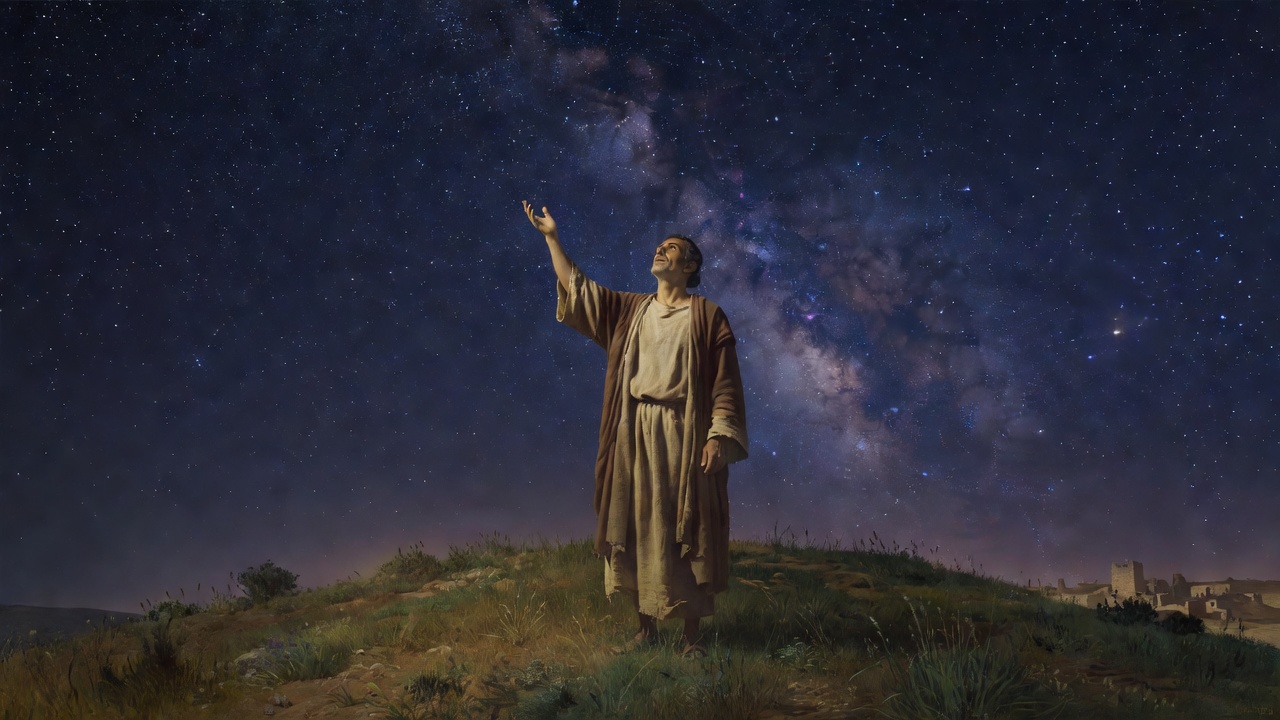
Did you know?
The Lord as Inheritance and Refuge
- The psalmist uses the imagery of measuring lines and land distribution to describe God as an inheritance. By stating that the boundary lines have fallen in pleasant places, the text portrays devotion to the Lord through the metaphor of a secure and delightful plot of land.Sources: the Bible text itself
- The text contrasts loyalty to God with the practices of those pursuing other deities. The speaker explicitly refuses to participate in foreign rituals involving libations of blood or even speak the names of those gods.Sources: the Bible text itself
- The psalm closes with confidence regarding mortality, affirming that God will not abandon the speaker's soul to Sheol or allow His devoted one to experience decay, but instead will show the path of life and joyful presence.Sources: the Bible text itself
Notes written with AI assistance from open sources (Theographic Bible Metadata, CC BY-SA 4.0; Easton’s Bible Dictionary, public domain) and reviewed before publishing.
Credits and license for this translation
Bib Sen An
The Holy Bible in Haitian Creole, 2023 update
copyright © 2017-2023 Ron Smith
Language: Kreyòl Ayisyen (Haitian)
Translation by: Ron Smith
Contributor: Felix Nixon
This translation is made available to you under the terms of the
Creative Commons Attribution Share-Alike license 4.0.
You have permission to share and redistribute this Bible translation in any format and to make reasonable revisions and adaptations of this translation, provided that:
You include the above copyright and source information.
If you make any changes to the text, you must indicate that you did so in a way that makes it clear that the original licensor is not necessarily endorsing your changes.
If you redistribute this text, you must distribute your contributions under the same license as the original.
Pictures included with Scriptures and other documents on this site are licensed just for use with those Scriptures and documents.
For other uses, please contact the respective copyright owners.
Note that in addition to the rules above, revising and adapting God's Word involves a great responsibility to be true to God's Word. See Revelation 22:18-19.
2026-06-11
Source: http://ebible.org/hatbsa/ · eBible.org