Jeremiah 2
Bib Sen An · Tap a verse to see its cross-references.
1Alò pawòl SENYÈ a te vin kote mwen epi te di: 2“Ale e pwoklame nan zòrèy a Jérusalem pou di: ‘Konsa pale SENYÈ a:
“Mwen sonje de ou, jan ou te renmen M lè ou te jenn;
lanmou ou lè ou te fiyanse avè M,
jan ou te swiv Mwen nan dezè a,
nan yon peyi ki pa t konn simen.
3Israël te sen a SENYÈ, premye a rekòlt Li a.
Tout moun ki te manje de li va vin koupab.
Se mal ki va rive yo,’” deklare SENYÈ a.”
4Tande pawòl SENYÈ a, O lakay Jacob ak tout fanmi lakay Israël yo.
5Konsa pale SENYÈ a:
“Ki enjistis papa zansèt nou yo
te jwenn nan Mwen,
pou yo te ale lwen Mwen,
pou yo te mache dèyè sa ki vid
pou te vin vid yo menm?
6Yo pa t mande: ‘Kote SENYÈ a
ki te mennen nou sòti nan peyi Égypte la,
ki te mennen nou nan dezè a,
pou travèse yon peyi dezè ak fòs yo,
nan yon peyi ak sechrès e ak fon tenèb,
yon peyi ke pèsòn pa t konn travèse
e kote okenn moun pa t rete?’
7Mwen te mennen ou antre nan yon peyi fètil
pou manje fwi li ak bon bagay li yo.
Men nou te vini, e nou te souye peyi Mwen an ak eritaj Mwen an,
nou te fè li vin abominab.
8Prèt yo pa t di: ‘Kote SENYÈ a ye?’
Epi sila yo ki te responsab lalwa a pa t rekonèt Mwen.
Chèf yo tou te fè transgresyon kont Mwen;
pwofèt yo te pwofetize pou Baal,
e te mache dèyè bagay ki pa t gen benefis.
9“Pou sa, jiska prezan, Mwen va fè kont avèk nou”, deklare SENYÈ a:
“Menm avèk pitit a pitit nou yo, Mwen va fè kont.
10Alò, travèse rive nan peyi kot yo nan Kittim pou wè;
voye Kédar pou obsève e wè si janmen te gen yon bagay konsa!
11Èske yon nasyon janm te chanje dye pa yo,
malgre, se pa dye yo te ye?
Men pèp Mwen an te fè echanj glwa pa yo pou sa ki san benefis.
12Menm syèl yo etone, jis yo vin fremi.
Rete byen dezole, deklare SENYÈ a.
13Paske pèp Mwen an te komèt de kalite mal:
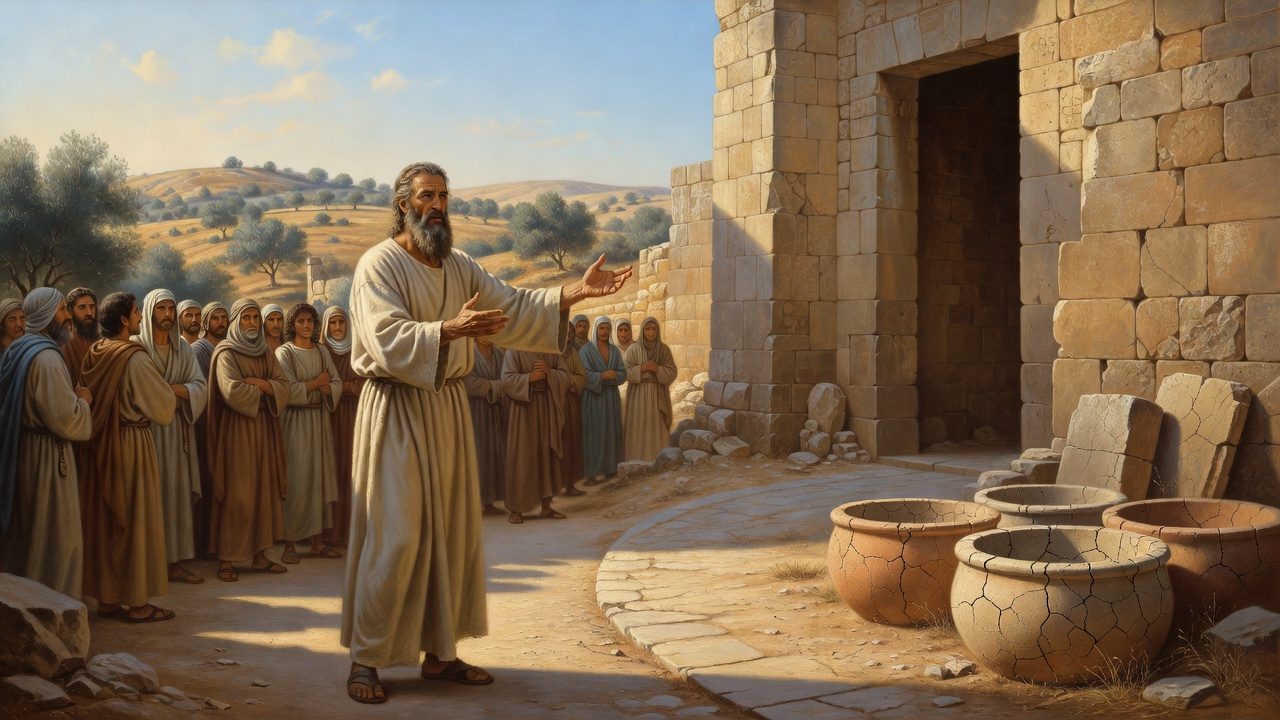
Yo te abandone Mwen, fontèn dlo vivan yo,
epi yo te fouye pou kont yo lòt sitèn;
sitèn yo ki kraze ki pa ka kenbe dlo.
14Èske Israël se yon esklav?
Èske li se yon esklav ki te fèt lakay nou?
Pou ki rezon li te devni yon kaptif?
15Jenn lyon yo gwonde sou li;
ak gwo bri yo leve vwa yo.
Yo te fin gate peyi li nèt.
Vil li yo brile nèt.
Pa gen moun ki pou rete ladann.
16Anplis, mesye Memphis ak Tachpanès yo
te brize kouwòn tèt ou a.
17Èske Se pa ou menm ki fè sa
lè ou kite SENYÈ Bondye ou a,
pandan Li t ap mennen ou nan chemen an?
18Men koulye a, se kisa w ap fè nan wout pou rive Égypte la,
lè w ale pou bwè dlo nan Rivyè Nil lan?
Oswa se kisa w ap fè nan wout pou ale Assyrie a,
pou bwè dlo nan flèv pa yo a?
19Pwòp mechanste ou va korije ou,
e enfidelite ou va repwoche ou.
Pou sa, konnen e wè ke se mal e anmè ke ou
te abandone SENYÈ a, Bondye ou a.
Laperèz Mwen pa nan ou,” deklare Senyè BONDYE dèzame yo.
20Paske lontan sa, Mwen te kraze jouk ou a.
Mwen te chire kòd mare ou yo.
Men ou te di: “Mwen p ap sèvi!’
Paske sou chak kolin ki wo, e anba chak bwa vèt,
ou te kouche tankou pwostitiye.
21Sepandan, Mwen te plante chan rezen pi chwazi pou ou,
yon grenn ki fidèl nèt.
Alò kòman konsa ou te vin detounen devan M
pou tounen yon boujon ki dejenere nèt
sou yon chan rezen etranje?
22Malgre se ak savon lesiv ou ta savonnen ak anpil savon,
tach inikite ou rete devan M,”
deklare Senyè BONDYE a.
23“Kòman ou ka di: ‘Mwen pa sal,
Mwen pa t kouri dèyè Baal yo?’
Gade chemen ou nan vale a!
Konnen byen sa ou te fè a!
Ou se yon jenn femèl chamo byen rapid,
k ap fè chemen l kote li pito.
24Yon femèl bourik mawon ki abitye nan savann nan,
k ap pran sant van pou lè l bezwen kwaze ak mal.
Nan lè chalè li, se kilès ki ka detounen l?
Tout moun k ap chache l p ap fatige kò yo;
nan mwa li, yo va jwenn ak li.
25Kenbe bon fè sou pye ou e mouye gòj ou pou ou pa swaf;
men ou te di: ‘Sa p ap ka fèt, Non!
Paske mwen te fè renmen ak etranje yo;
se dèyè yo m ap prale.’
26Tankou vòlè vin wont lè l vin dekouvri,
se konsa lakay Israël vin wont—
wa yo, prens yo, ak prèt yo ak pwofèt yo!
27kap di pyebwa a: ‘Se ou ki papa mwen’,
epi a yon wòch: ‘Se ou ki fè mwen.’
Paske yo te vire do ban Mwen olye figi yo;
men nan tan gwo pwoblèm yo,
yo va di Mwen: ‘Leve pou sove nou.’
28Men kote dye ke ou te fè pou kont ou yo ye?
Kite yo leve, si yo ka sove ou nan tan twoub ou yo;
paske selon fòs kantite vil ou yo, kantite dye ou ye, O Juda.
29Poukisa ou fè kont avè M?
Nou tout te fè transgresyon kont Mwen,” deklare SENYÈ a.
30“Anven Mwen te frape fis ou yo;
men yo pa t aksepte okenn chatiman.
Nepe ou te fin devore pwofèt ou yo tankou lyon k ap detwi.
31O jenerasyon, koute byen a pawòl SENYÈ a.
Èske Mwen te yon dezè pou Israël,
oswa yon peyi fènwa byen pwès?
Poukisa pèp Mwen an di: ‘Nou lib pou nou gaye toupatou.
Nou p ap vin kote Ou ankò?’
32Èske vyèj la ka bliye dekorasyon li yo,
oswa fi maryaj la, vètman li an?
Sepandan, pèp Mwen an fin bliye Mwen
pandan jou ki pa ka menm konte.
33A la byen ou prepare chemen ou pou chache lanmou!
Konsa, menm fanm mechan yo, ou te enstwi nan chemen ou yo.
34Anplis, sou jip ou, yo twouve san lavi a malere ki inosan yo.
Ou pa t jwenn yo t ap kase kay ou.
Men se akoz tout bagay sa yo,
35Sepandan, ou te di: ‘Mwen inosan.
Asireman, kòlè Li pa sou mwen.’
Gade byen, Mwen va antre nan jijman avèk ou, paske ou di:
‘Mwen pa t peche.’
36Poukisa ou mache toupatou konsa nan chanje wout ou?
Anplis, Égypte va fè ou wont,
menm jan ke Assyrie te fè ou wont lan.
37Soti kote sa a tou, ou va sòti ak men ou sou tèt;
paske SENYÈ a te rejte sila ke ou te fè konfyans yo
e ou p ap jwenn avantaj avèk yo.”
Did you know?
Israel's Forgotten Devotion
- In Jeremiah 2:10, the prophet contrasts Cyprus (Chittim) in the western Mediterranean with Kedar, representing the nomadic Arab tribes to the east in the Arabian desert. By referencing these opposite geographic horizons, the text emphasizes that not even surrounding pagan nations exchanged their traditional deities.Sources: the Bible text itself · Cyprus · Kedar
- The references to Memphis (Noph) and drinking the waters of the Nile and Euphrates highlight Judah's unstable political reliance on Egypt and Assyria. Jeremiah compares trusting foreign military powers to abandoning a fountain of fresh water in order to dig cracked, leaky cisterns.Sources: the Bible text itself · Memphis · Egypt · Assyria
- The rebuke against running after the 'Baals' uses the plural form for local cults of Baal, the chief male deity of the Phoenicians. The worship of Baal had repeatedly infiltrated Israel and Judah, frequently taking place on high hills and in sacred groves.Sources: the Bible text itself · Baal
Notes written with AI assistance from open sources (Theographic Bible Metadata, CC BY-SA 4.0; Easton’s Bible Dictionary, public domain) and reviewed before publishing.
Places in this chapter
- Jerusalem · 31.777, 35.234 · verse 2
- Egypt · 30.129, 31.308 · verses 6, 18, 36, 37
- Cyprus · 35.000, 33.000 · verse 10
- Kedar · 29.811, 39.868 · verse 10
- Memphis · 29.849, 31.253 · verse 16
- Tahpanhes · Today: Tell Defenneh · 30.861, 32.171 · verse 16
- Assyria · 36.359, 43.153 · verses 18, 36
- Euphrates · Today: Euphrates River · 31.004, 47.442 · verse 18
- Nile · Today: Nile River · 31.465, 30.367 · verse 18
- Valley of Hinnom · Today: Hinnom Valley · 31.769, 35.228 · verse 23
Only places identified with high confidence are shown (90% or more according to the scholarly sources compiled by OpenBible). Period map: DARE (Digital Atlas of the Roman Empire), CC BY 4.0; modern map: © OpenStreetMap contributors; places: OpenBible.info (CC BY 4.0).
Credits and license for this translation
Bib Sen An
The Holy Bible in Haitian Creole, 2023 update
copyright © 2017-2023 Ron Smith
Language: Kreyòl Ayisyen (Haitian)
Translation by: Ron Smith
Contributor: Felix Nixon
This translation is made available to you under the terms of the
Creative Commons Attribution Share-Alike license 4.0.
You have permission to share and redistribute this Bible translation in any format and to make reasonable revisions and adaptations of this translation, provided that:
You include the above copyright and source information.
If you make any changes to the text, you must indicate that you did so in a way that makes it clear that the original licensor is not necessarily endorsing your changes.
If you redistribute this text, you must distribute your contributions under the same license as the original.
Pictures included with Scriptures and other documents on this site are licensed just for use with those Scriptures and documents.
For other uses, please contact the respective copyright owners.
Note that in addition to the rules above, revising and adapting God's Word involves a great responsibility to be true to God's Word. See Revelation 22:18-19.
2026-06-11
Source: http://ebible.org/hatbsa/ · eBible.org