Hosea 2
Bib Sen An · Tap a verse to see its cross-references.
1“Di a frè ou a ‘Pèp mwen yo’!
Epi a sè ou yo, ‘Byeneme mwen an!’
2Reprimande manman ou!
Reprimande, paske li pa madanm mwen;
ni mwen pa mari li.
Kite li retire pwostitisyon li yo devan figi li,
ak adiltè li yo soti antre tete li yo;
3sinon M ta chire retire tout rad li pou fè l parèt
toutouni menm jan ak jou li te fèt la;
pou fè l vin tankou yon peyi dezè
e touye li ak swaf.
4Anplis, Mwen p ap fè mizerikòd sou pitit li yo,
akoz yo se pitit a pwostitiye.
5Paske manman yo te fè pwostitisyon.
Li ki te fè yo aji san wont, paske li te di:
‘Mwen va swiv moun ki renmen mwen yo,
ki ban m pen ak dlo mwen, lenn ak len mwen,
lwil ak bwason mwen.’
6Akoz sa, Mwen va fè monte yon kloti pikan,
e Mwen va bati yon mi kont li
pou l pa ka twouve ti wout li yo.
7Li va kouri dèyè moun ki renmen li yo,
men li p ap ka rive sou yo.
Li va chache yo, men li p ap jwenn yo.
Konsa li va di: ‘M ap prale retounen
kote premye mari Mwen an,
paske lè sa a te pi bon pou mwen pase koulye a.’
8Paske li pa t konnen ke se te Mwen
ki te bay li sereyal la,
diven nèf ak lwil la,
e ki te bay li anpil lò ak ajan
ke yo te fè sèvi pou Baal yo.
9Akoz sa, Mwen va reprann
sereyal Mwen an nan lè rekòlt la
ak diven Mwen an nan sezon li an.
Mwen va, anplis, retire lenn Mwen an
ak len Ki te pou kouvri pou li pa t toutouni an.
10Konsa, Mwen va dekouvri wont li devan zye
a tout moun ki renmen li yo,
e pèsòn p ap mande fè l soti nan men Mwen.
11Anplis, Mwen va mete fen a tout kè kontan l;
fèt li yo, nouvèl lin li yo, Saba a,
ak tout Gwo rasanbleman fèt li yo.
12Mwen va detwi pye rezen li yo
ansanm ak pye fig fwi etranje yo selon sila li te di:
‘Sa yo se salè mwen,
ke moun ki renmen m yo te ban mwen.’
Mwen va fè yo tounen yon rakbwa,
e bèt chan va devore yo.
13Mwen va pini li pou jou Baal yo,
kote li te brile lansan an,
lè l te abiye tèt li ak zanno ak bijou yo,
pou l swiv moun ki renmen li yo,
epi tebliye Mwen” deklare SENYÈ a.
14Pou sa, gade byen,
Mwen va atire li mennen li
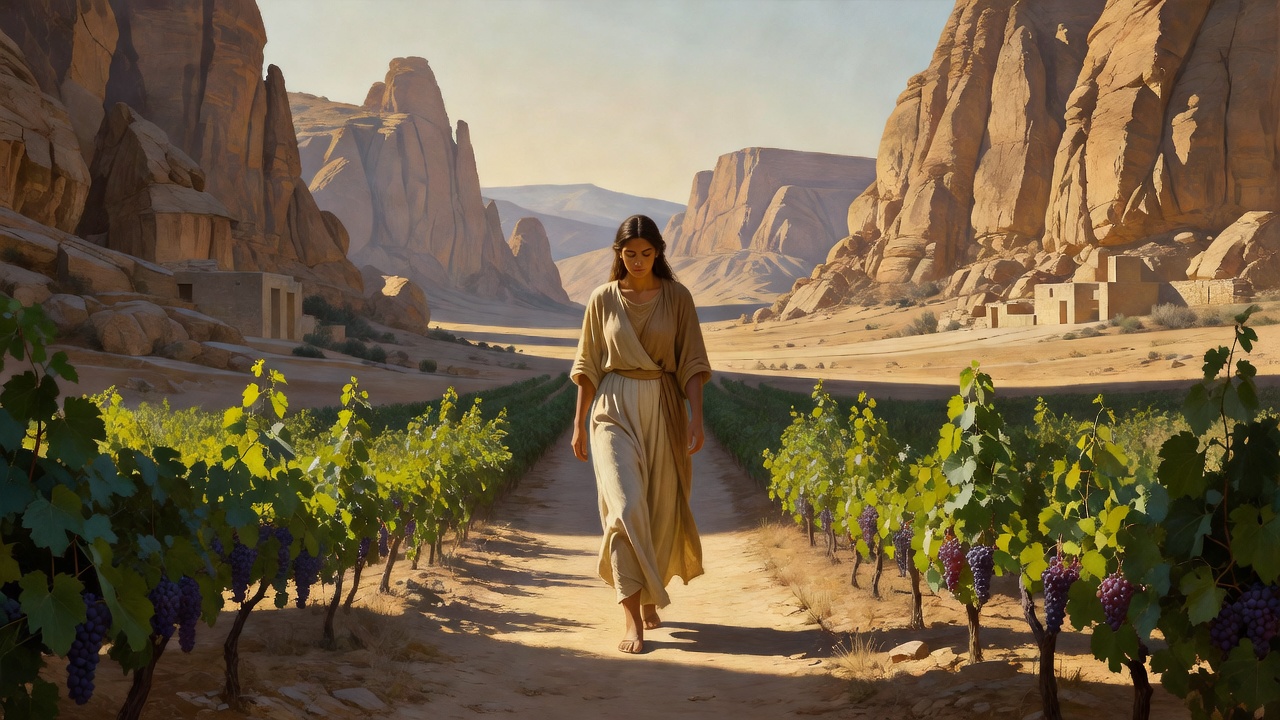
antre nan dezè a pou pale dous avèk li.
15Epi soti la, Mwen va bay li chan rezen yo,
ak Vale Akò a kon yon pòt espwa.
Li va reponn la tankou nan jou jenès li yo,
tankou nan jou lè l te vin monte
soti nan peyi Égypte la.
16Li va vin rive nan jou sa a”,
deklare SENYÈ a,
“ke ou va rele Mwen: ‘Mari mwen’
e ou p ap rele M ankò: ‘Mèt mwen’.
17Paske Mwen va retire non a Baal yo soti nan bouch li,
pou yo pa nonmen pa non yo ankò.
18Nan jou sa a, anplis, Mwen va fè yon Akò
pou yo ak bèt chan yo,
zwazo syèl yo ak sa ki trennen atè yo.
Mwen va aboli banza, nepe ak lagè soti nant peyi a,
e Mwen va fè yo kouche dòmi ansekirite.
19Mwen va fè ou vin renmen M jis pou tout tan.
Wi, Mwen va fè ou vin renmen M nan ladwati ak lajistis,
nan lanmou dous ak konpasyon.
20Epi Mwen va fè ou renmen M nan fidelite.
Nan lè sa a, ou va konnen SENYÈ a.
21“Li va vin rive nan jou sa a ke Mwen va reponn”,
deklare SENYÈ a.
“Mwen va reponn a syèl yo,
e yo va reponn a tè a.
22Epi Latè va reponn a sereyal la,
diven nèf ak lwil la;
epi yo va reponn a Jizreel.
23Mwen va simen li kote M nan tè a,
Mwen va genyen mizerikòd pou li,
fi ki pa t konn jwenn mizerikòd la.
Konsa, Mwen va di a sila ki pa t pèp Mwen an:
‘Ou se pèp Mwen an!’
Epi yo va reponn: ‘Ou se Bondye mwen!’”
Did you know?
Judgment and Restoration
- The Valley of Achor, located near Jericho, derived its name from the trouble caused by the sin of Achan in the book of Joshua. Hosea uses this proverbial site of calamity to promise that a place of past disaster will be transformed into a gateway of hope.Sources: Valley of Achor · the Bible text itself
- Baal was the chief male deity of the Phoenicians, whose worship had become widespread among the northern tribes of Israel. Hosea challenges the belief that agricultural provisions such as grain, wine, oil, and wool came from Baal, declaring instead that they were gifts from the LORD.Sources: Baal · the Bible text itself
- The chapter announces a reversal of the symbolic names of judgment given to the children earlier in the book. Those named No Compassion are promised mercy, and those called Not My People are once again recognized as God's people in a restored covenant.Sources: the Bible text itself
Notes written with AI assistance from open sources (Theographic Bible Metadata, CC BY-SA 4.0; Easton’s Bible Dictionary, public domain) and reviewed before publishing.
Places in this chapter
- Egypt · 30.129, 31.308 · verse 15
Only places identified with high confidence are shown (90% or more according to the scholarly sources compiled by OpenBible). Period map: DARE (Digital Atlas of the Roman Empire), CC BY 4.0; modern map: © OpenStreetMap contributors; places: OpenBible.info (CC BY 4.0).
Credits and license for this translation
Bib Sen An
The Holy Bible in Haitian Creole, 2023 update
copyright © 2017-2023 Ron Smith
Language: Kreyòl Ayisyen (Haitian)
Translation by: Ron Smith
Contributor: Felix Nixon
This translation is made available to you under the terms of the
Creative Commons Attribution Share-Alike license 4.0.
You have permission to share and redistribute this Bible translation in any format and to make reasonable revisions and adaptations of this translation, provided that:
You include the above copyright and source information.
If you make any changes to the text, you must indicate that you did so in a way that makes it clear that the original licensor is not necessarily endorsing your changes.
If you redistribute this text, you must distribute your contributions under the same license as the original.
Pictures included with Scriptures and other documents on this site are licensed just for use with those Scriptures and documents.
For other uses, please contact the respective copyright owners.
Note that in addition to the rules above, revising and adapting God's Word involves a great responsibility to be true to God's Word. See Revelation 22:18-19.
2026-06-11
Source: http://ebible.org/hatbsa/ · eBible.org