Ecclesiastes 4
Bib Sen An · Tap a verse to see its cross-references.
1Konsa, mwen te gade ankò sou tout zèv k ap oprime moun anba solèy la. Epi gade byen, mwen te wè dlo nan zye a oprime yo, e yo pa t jwenn pèsòn pou bay yo soulajman. Sou kote a sila ki t ap oprime yo, te gen gwo pouvwa; men, yo pa t jwenn pèsòn pou bay yo soulajman. 2Pou sa, mwen te felisite tout sila ki fin mouri deja yo, olye sila k ap viv yo. 3Men pi beni pase tou de nan yo se sila ki pa t janm egziste a, ki pa t wè tout mechanste ki konn fèt anba solèy la. 4Mwen konn wè tout zèv ak tout metye ki konn fèt, fèt akoz lanvi antre yon nonm ak vwazen li. Sa anplis se vanite ak fè lachas dèyè van.
5Moun ensanse a pliye men l e manje pwòp chè li. 6Yon men plen repo se miyò ke de ponyèt plen travay k ap fè kòve dèyè van an.
7Konsa mwen te gade ankò sou vanite anba solèy la. 8Te gen yon sèten mesye san fanmi ki pa t genyen ni fis, ni frè. Sepandan, nan travay li, pa t gen repo menm. Anverite, zye li pa t janm satisfè ak richès, men li pa t janm konn mande: “Epi pou ki moun m ap travay e prive tèt mwen de plezi konsa?” Sa, anplis se vanite, e sa se yon kòve ki plen doulè.
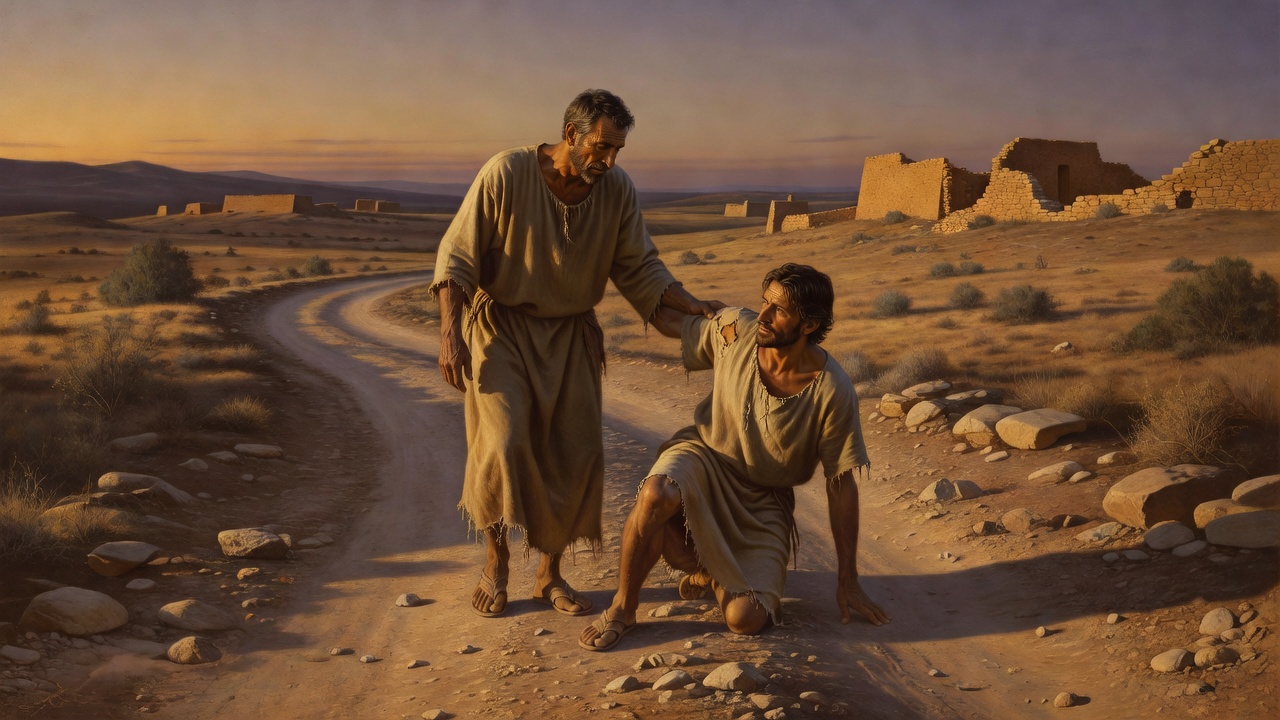
9De moun pi bon pase yon sèl, paske y ap jwenn bon benefis pou travay yo. 10Paske si youn nan yo ta tonbe, lòt la va leve pare li. Men malè a sila ki tonbe lè nanpwen lòt pou fè l leve a. 11Anplis, si de moun kouche ansanm, youn chofe lòt; men ki jan yon sèl moun ta ka chofe? 12Anplis, si youn ka venk sila ki sèl la, de ka reziste ak li; epi yon kòd fèt ak twa fil ap mal pou chire.
13Yon jennjan ki malere men ki gen sajès, miyò pase yon ansyen wa ki ensanse, e ki pa konn resevwa konsèy. 14Paske li te sòti nan prizon pou vin wa, malgre li te fèt malere nan wayòm li an. 15Mwen te wè tout sa k ap viv anba solèy la kouri bò kote dezyèm jennjan ki ranplase li an. 16Pèp la p ap janm fini; tout moun ki te avan yo, ni sila k ap vini pita yo p ap kontan avèk li. Anverite, sa osi se vanite ak kouri dèyè van.
Did you know?
Oppression, Companionship, and Fleeting Acclaim
- Ecclesiastes highlights the practical value of companionship in daily life, explaining that two workers achieve a better return on their labor, can help each other up after a fall, provide shared warmth when lying down, and resist attackers together.Sources: the Bible text itself
- The passage contrasts the misery of solitary toil with the peacefulness of moderation, noting that some hoard wealth endlessly despite having no companion, son, or brother with whom to share it.Sources: the Bible text itself
- The text illustrates the fleeting nature of political fame through the figure of a poor, wise youth who rises from prison to replace an unteachable king, gaining massive popularity that is later forgotten by future generations.Sources: the Bible text itself
Notes written with AI assistance from open sources (Theographic Bible Metadata, CC BY-SA 4.0; Easton’s Bible Dictionary, public domain) and reviewed before publishing.
Credits and license for this translation
Bib Sen An
The Holy Bible in Haitian Creole, 2023 update
copyright © 2017-2023 Ron Smith
Language: Kreyòl Ayisyen (Haitian)
Translation by: Ron Smith
Contributor: Felix Nixon
This translation is made available to you under the terms of the
Creative Commons Attribution Share-Alike license 4.0.
You have permission to share and redistribute this Bible translation in any format and to make reasonable revisions and adaptations of this translation, provided that:
You include the above copyright and source information.
If you make any changes to the text, you must indicate that you did so in a way that makes it clear that the original licensor is not necessarily endorsing your changes.
If you redistribute this text, you must distribute your contributions under the same license as the original.
Pictures included with Scriptures and other documents on this site are licensed just for use with those Scriptures and documents.
For other uses, please contact the respective copyright owners.
Note that in addition to the rules above, revising and adapting God's Word involves a great responsibility to be true to God's Word. See Revelation 22:18-19.
2026-06-11
Source: http://ebible.org/hatbsa/ · eBible.org